
[00]Journal
Build a better review process.
Practical education on trade review, psychology, risk, market context, and using GAPHYTORO with more discipline.
 [01]Forex
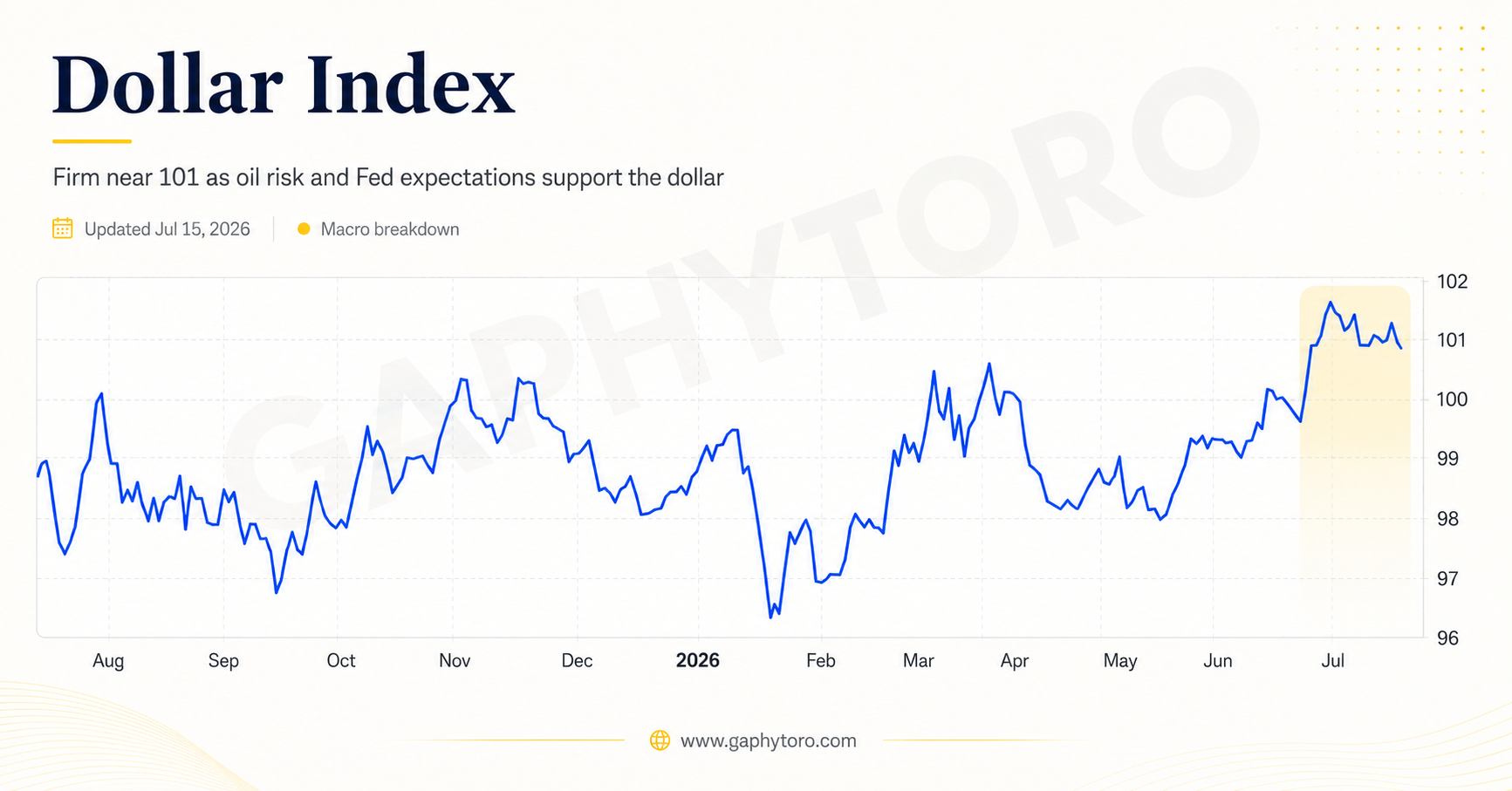
Dollar Retreats, but Renewed Oil Risk Complicates the Fed Outlook
The dollar weakened below 101 after a sharper-than-expected slowdown in US inflation reduced pressure on the Federal Reserve to raise rates in the near term. However, renewed US-Iran tensions and rising oil prices threaten to reverse part of that improvement, leaving the September policy outlook finely balanced.
Philip OginaJul 15, 2026 · 5m [02]Journal
How to Connect Your Trading Account to GaphyToro
Link your MT4 or MT5 account to GaphyToro in under two minutes — and fix the most common connection hiccups, from invalid credentials to server name mix-ups.
Philip OginaJul 14, 2026 · 3m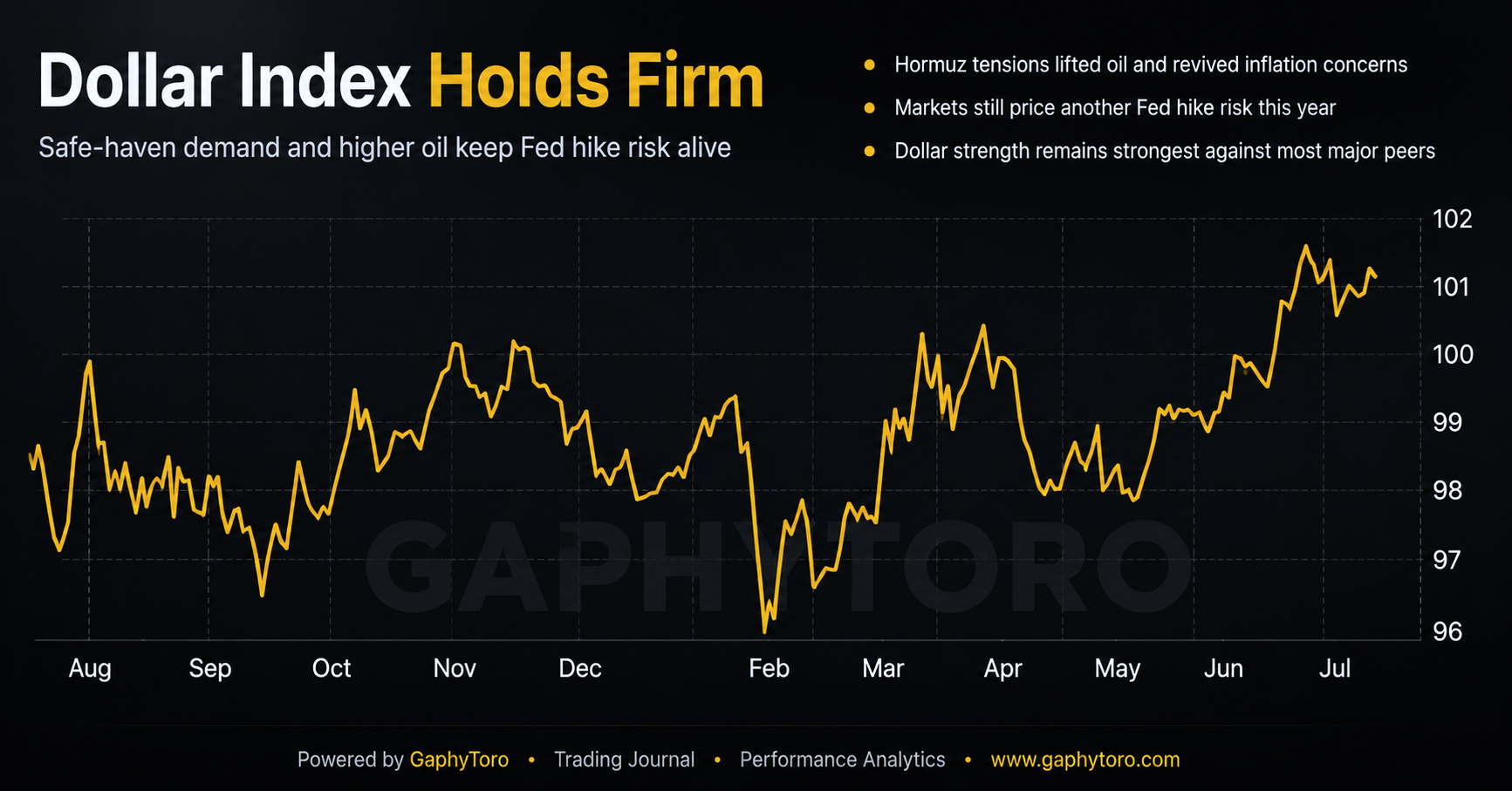 [03]Forex
Dollar Holds Firm as Hormuz Blockade Revives Inflation Risk
The dollar held near 101.2 as renewed tensions around the Strait of Hormuz lifted oil prices, revived global inflation concerns and strengthened expectations for further Federal Reserve tightening. Markets are now waiting for US inflation data and Kevin Warsh’s first congressional testimony to determine whether the energy shock is strong enough to justify a September rate hike.
Philip OginaJul 14, 2026 · 6m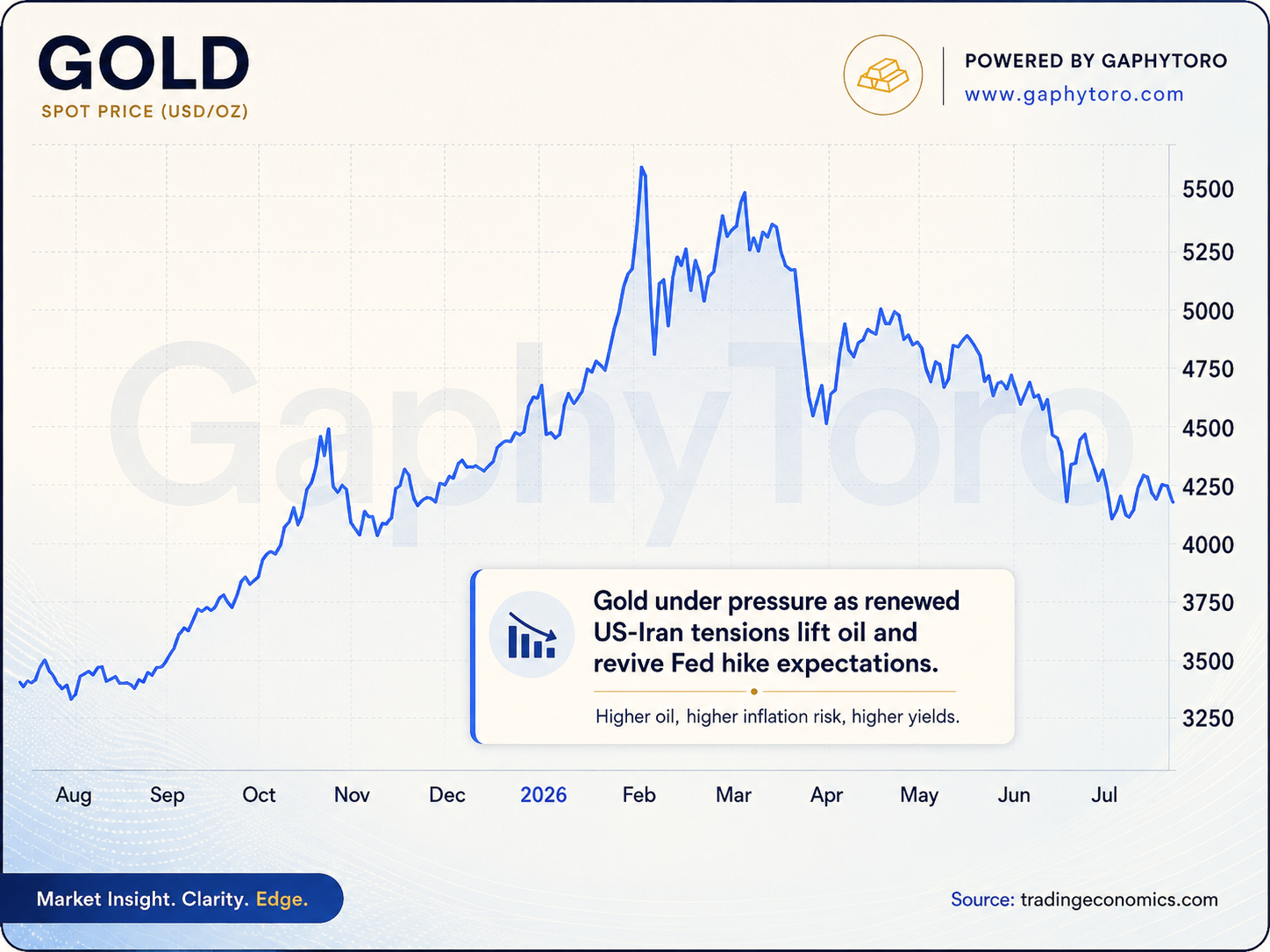 [04]Market Analysis
Gold Slips as US-Iran Strikes Push Inflation Fears Higher
Gold slipped below $4,100 as renewed US-Iran military escalation pushed oil prices higher and revived concerns that inflation could remain too elevated for the Federal Reserve to pause its tightening cycle. While geopolitical risk would normally support bullion, this conflict remains inflationary, meaning higher oil, higher yields and stronger Fed hike expectations are still overpowering safe-haven demand.
Philip OginaJul 13, 2026 · 3m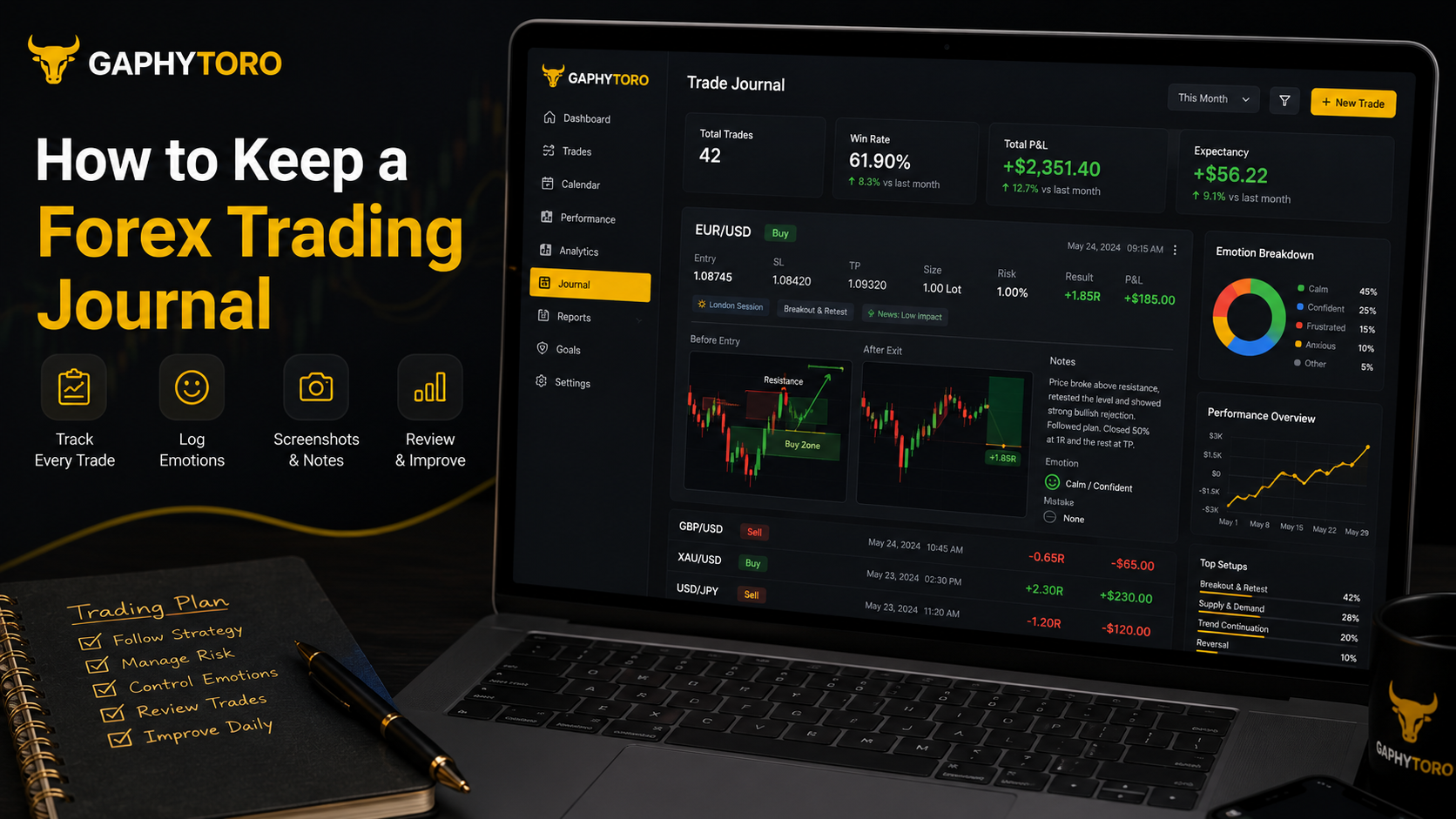 [05]Journal
How to Keep a Forex Trading Journal Properly
Learn how to keep a forex trading journal that tracks trades, emotions, risk, screenshots and mistakes so you can improve your trading performance.
Philip OginaJul 8, 2026 · 14m [06]Journal
Mood Tracking for Traders: Why Your Emotions Matter
Mood tracking helps traders understand how emotions affect entries, exits, risk and discipline. Learn how to use mood tracking to improve your trading decisions.
Philip OginaJul 7, 2026 · 10m [07]Journal
What Is a Trading Journal? Why Every Trader Needs One
A trading journal is a record of your trades, decisions, emotions, risk, screenshots, mistakes and results. It helps you understand how you actually trade, not how you think you trade
Philip OginaJul 6, 2026 · 13m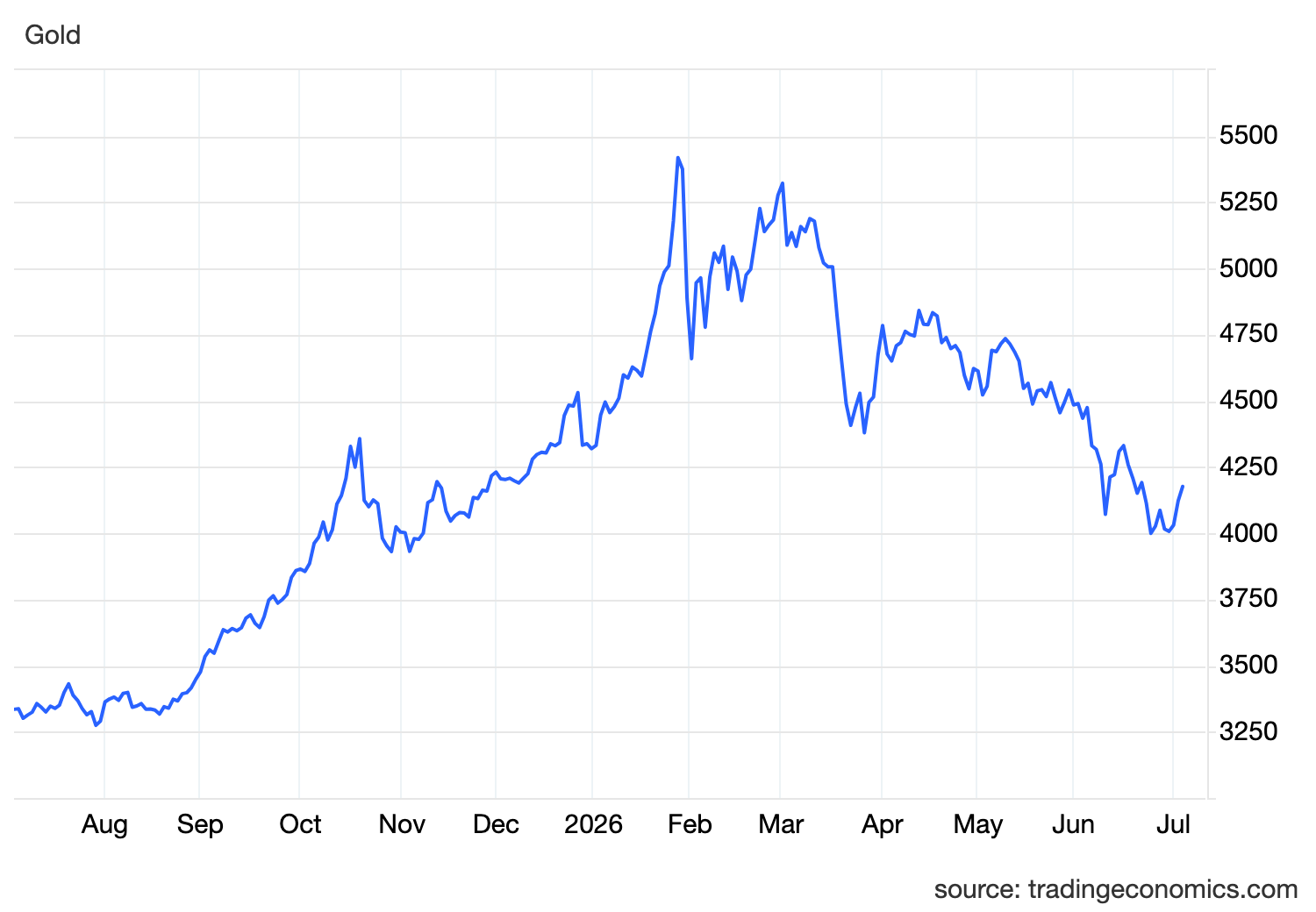 [08]Macro
Gold Rebounds as Weak Jobs Cool Fed Hike Bets
Gold climbed toward $4,200 as weaker US jobs data reduced expectations for a near-term Federal Reserve rate hike. Softer labour momentum, lower oil prices and improving Hormuz shipping conditions are easing some inflation concerns, but the rebound remains dependent on whether incoming data confirms a broader cooling in the US economy.
Philip OginaJul 3, 2026 · 3m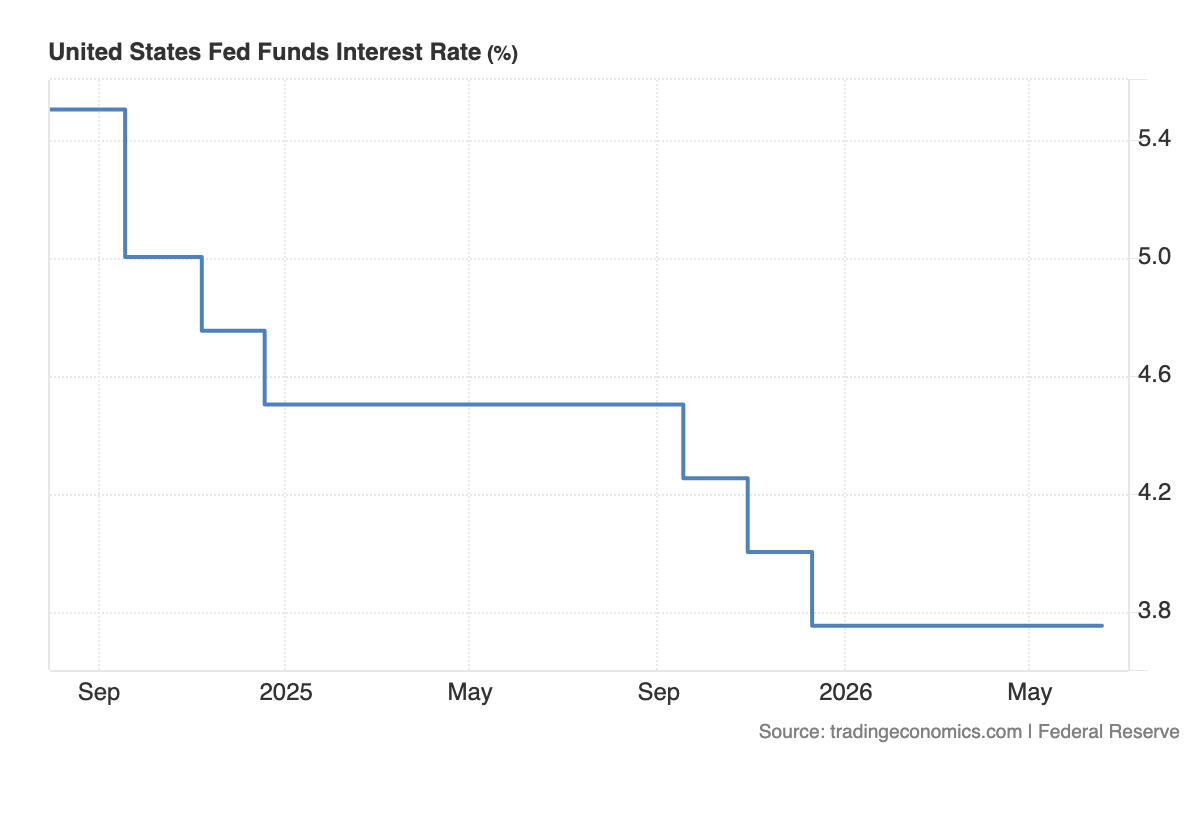 [09]Macro
Warsh Signals Data-Driven Fed as Inflation Fight Continues
Federal Reserve Chair Kevin Warsh said inflation risks have eased, but stressed that the central bank remains fully committed to returning inflation to its 2% target. His comments signal a major communication shift, with the Fed moving away from traditional forward guidance and forcing markets to price policy through incoming data rather than promises about future rate decisions.
Philip OginaJul 2, 2026 · 4m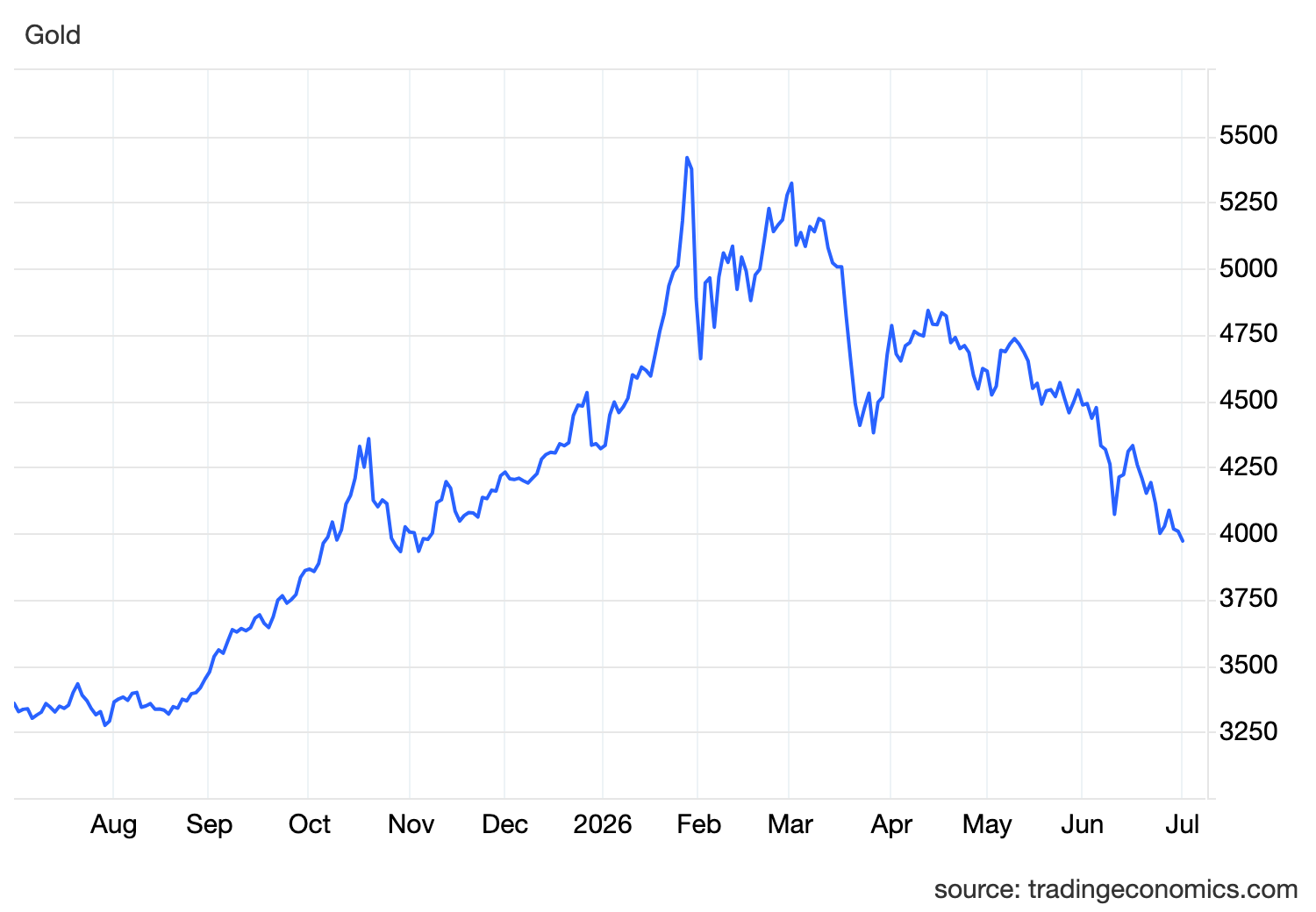 [10]Market Analysis
Gold Slides as Strong Jobs Keep Fed Hike Risk Alive
Gold fell below 4000 as strong US labour data and sticky core inflation reinforced expectations that the Federal Reserve could raise rates this year. Peace talks between the US and Iran may reduce some geopolitical and oil-related inflation risk, but markets are still focused on the Fed, yields and the opportunity cost of holding bullion.
Philip OginaJul 1, 2026 · 4m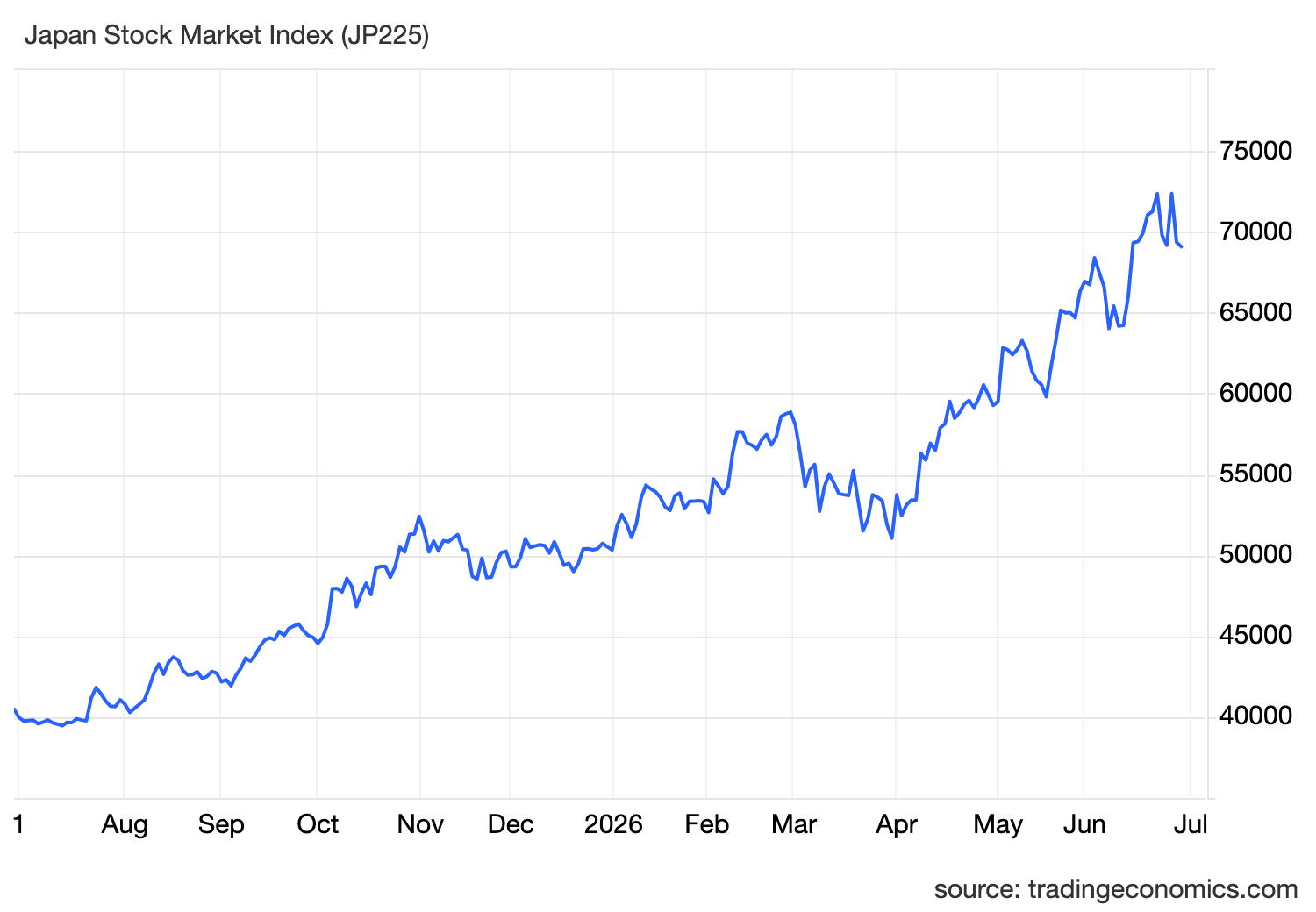 [11]Market Analysis
Nikkei Slides as Middle East Risks and AI Valuations Weigh on Markets
Japanese equities extended their decline as renewed tensions around the Strait of Hormuz lifted oil prices and prompted investors to lock in profits from the market's record-breaking AI rally. While domestic economic data remained encouraging, geopolitical uncertainty and elevated global interest rate expectations continued to weigh on sentiment.
Philip OginaJun 29, 2026 · 3m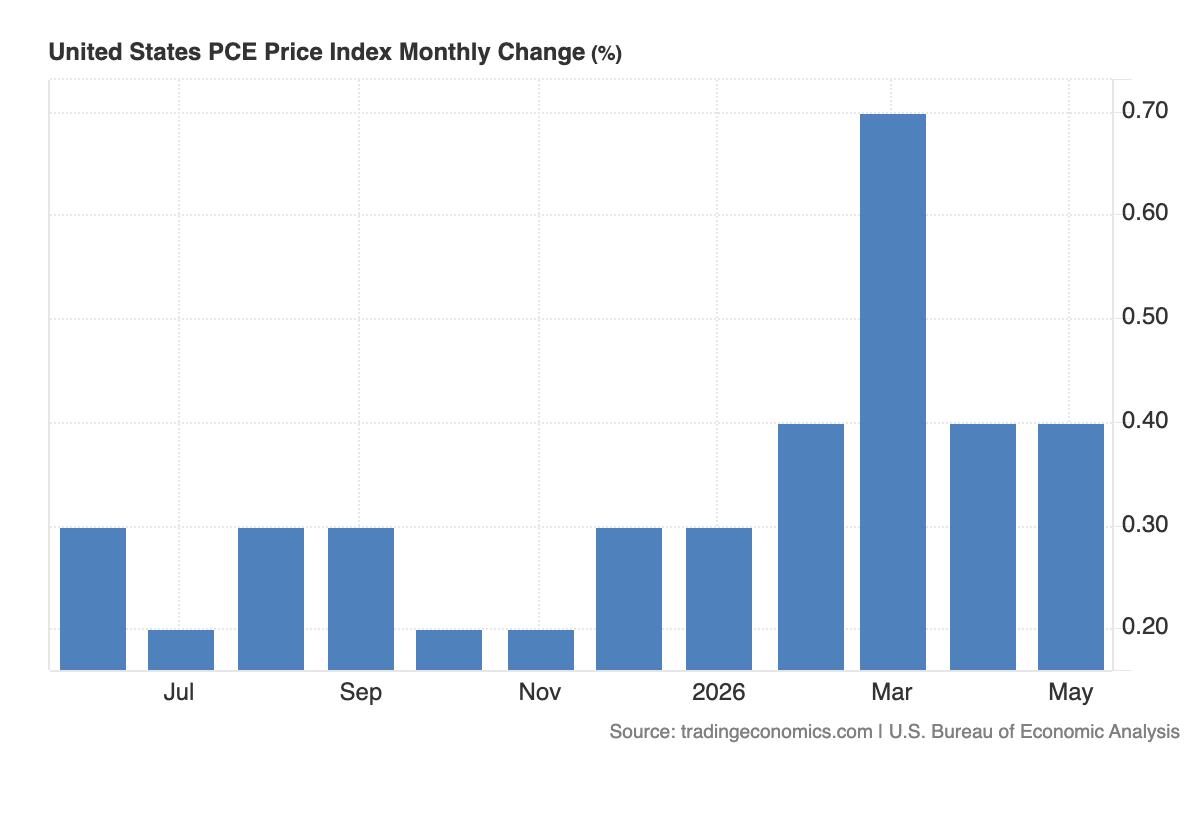 [12]Market Analysis
US Inflation Holds Firm as PCE Reinforces Fed's Hawkish Stance
The Federal Reserve's preferred inflation gauge showed price pressures remain stubbornly elevated, reinforcing expectations that interest rates will stay higher for longer. While the easing of the Middle East energy shock is beginning to improve the outlook, policymakers are unlikely to declare victory until inflation shows broader signs of slowing.
Philip OginaJun 26, 2026 · 3m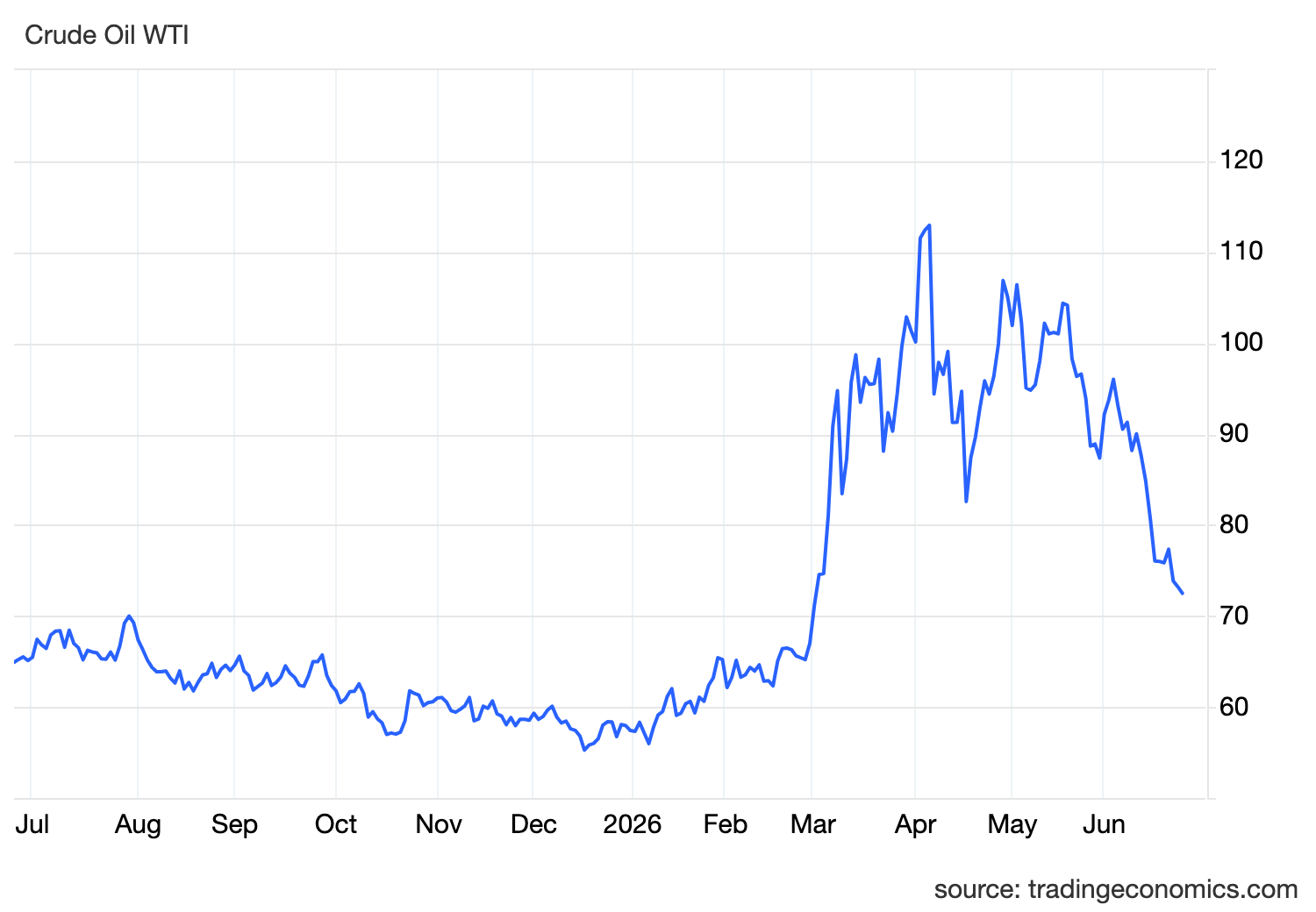 [13]Market Analysis
Crude Slides Toward Pre-War Levels as Supply Shock Unwinds
Oil prices continued their decline as the reopening of the Strait of Hormuz accelerates and global supply conditions improve. What began as one of the largest energy shocks in recent years is increasingly becoming a supply recovery story, with implications that extend far beyond crude markets and into inflation, central bank policy and global growth expectations.
Philip OginaJun 24, 2026 · 4m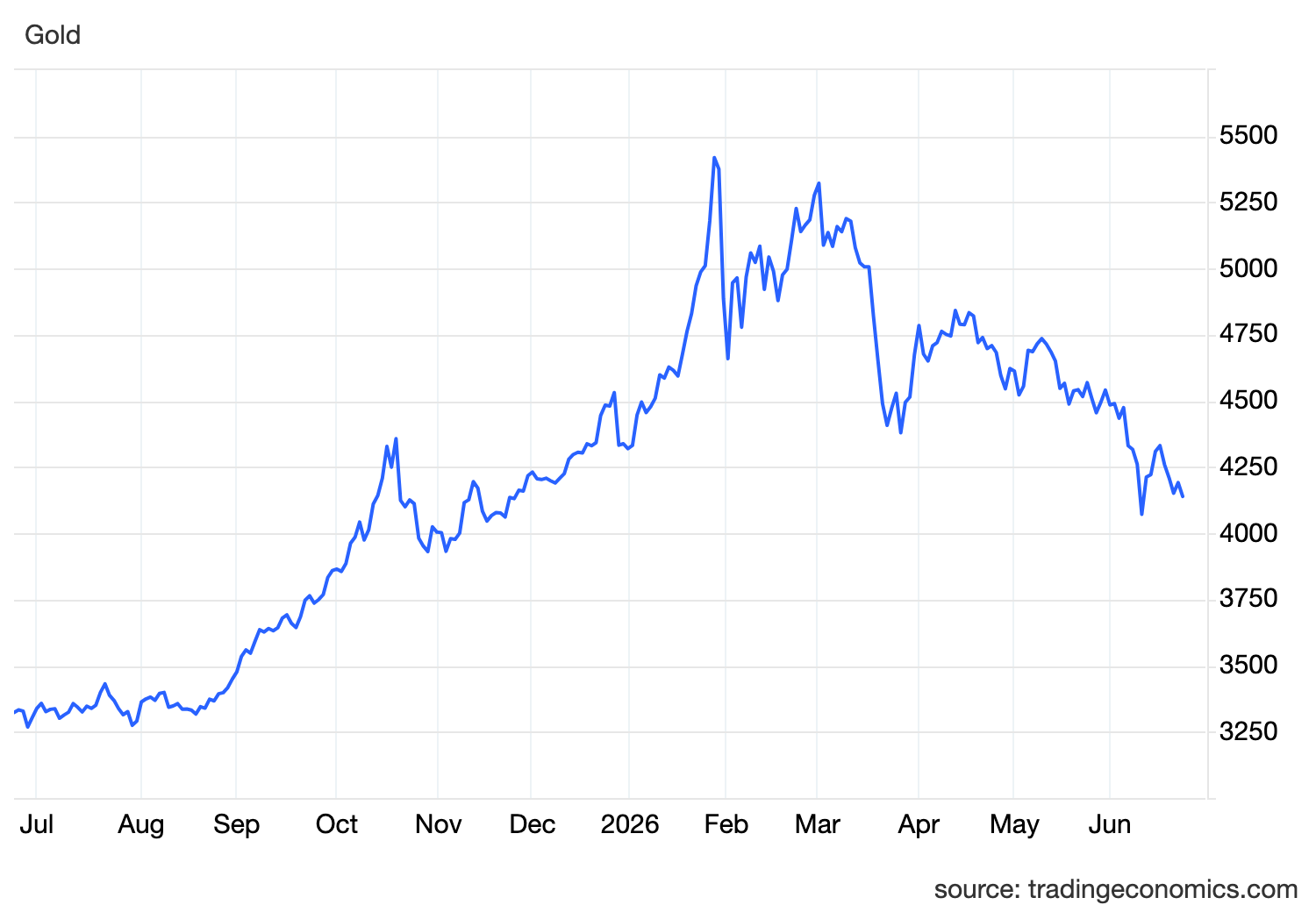 [14]Market Analysis
Gold Slides as Rate Hike Bets Override Peace Optimism
Gold fell below $4,150 as investors focused on rising expectations for Federal Reserve rate hikes rather than improving prospects for peace in the Middle East. While recovering oil supply and easing geopolitical risks should theoretically support bullion through lower inflation, markets remain convinced that the inflation shock has already done enough damage to keep the Fed firmly hawkish.
Philip OginaJun 23, 2026 · 3m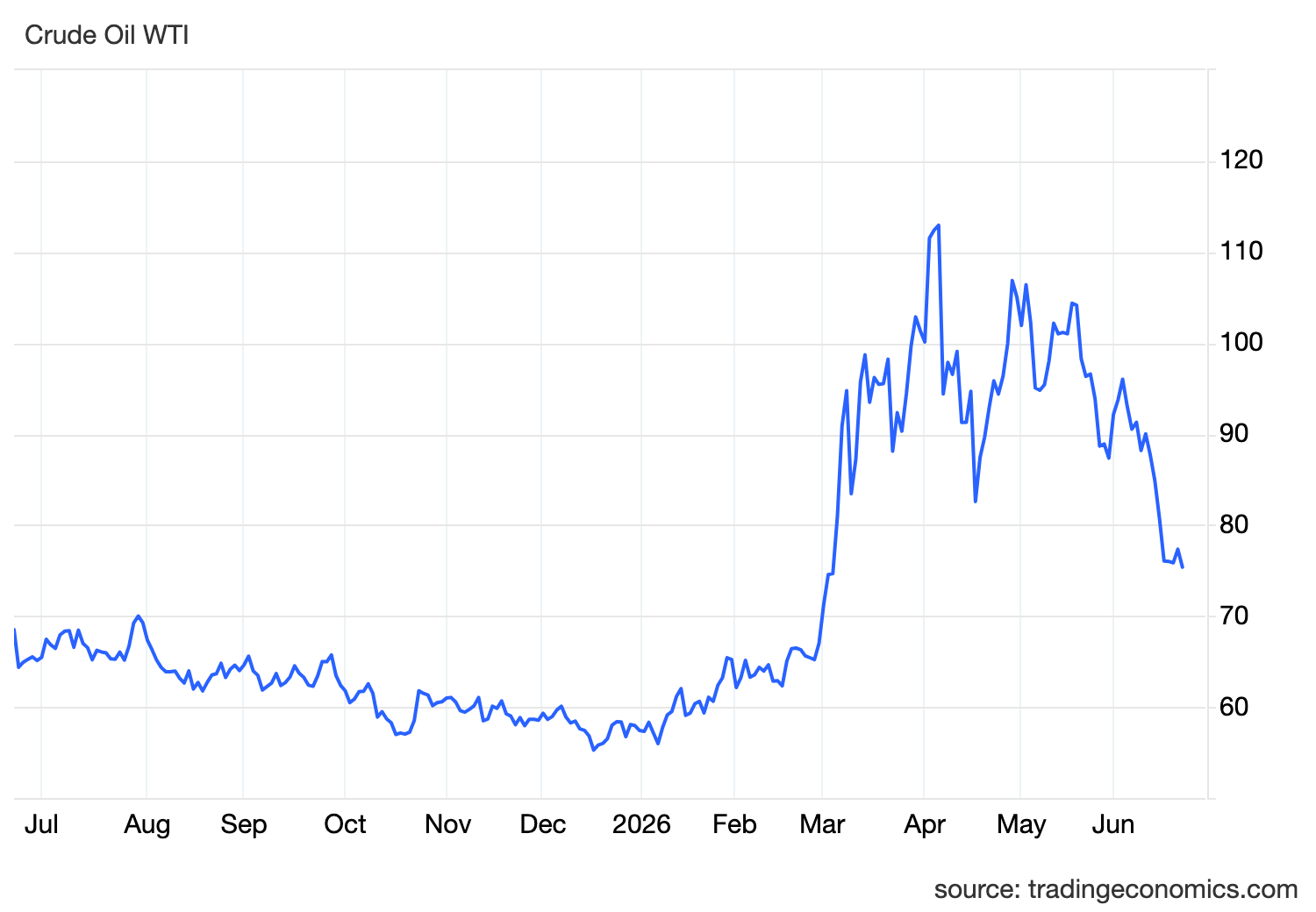 [15]Market Analysis
Oil Falls as Markets Price Progress Toward a Final Iran Deal
Oil prices retreated as investors focused on growing momentum behind US-Iran peace negotiations and the prospect of a full reopening of the Strait of Hormuz. While geopolitical risks remain elevated, markets are increasingly shifting from pricing supply disruption to pricing supply normalization, a transition that could have significant implications for inflation, central banks and global growth.
Philip OginaJun 22, 2026 · 3m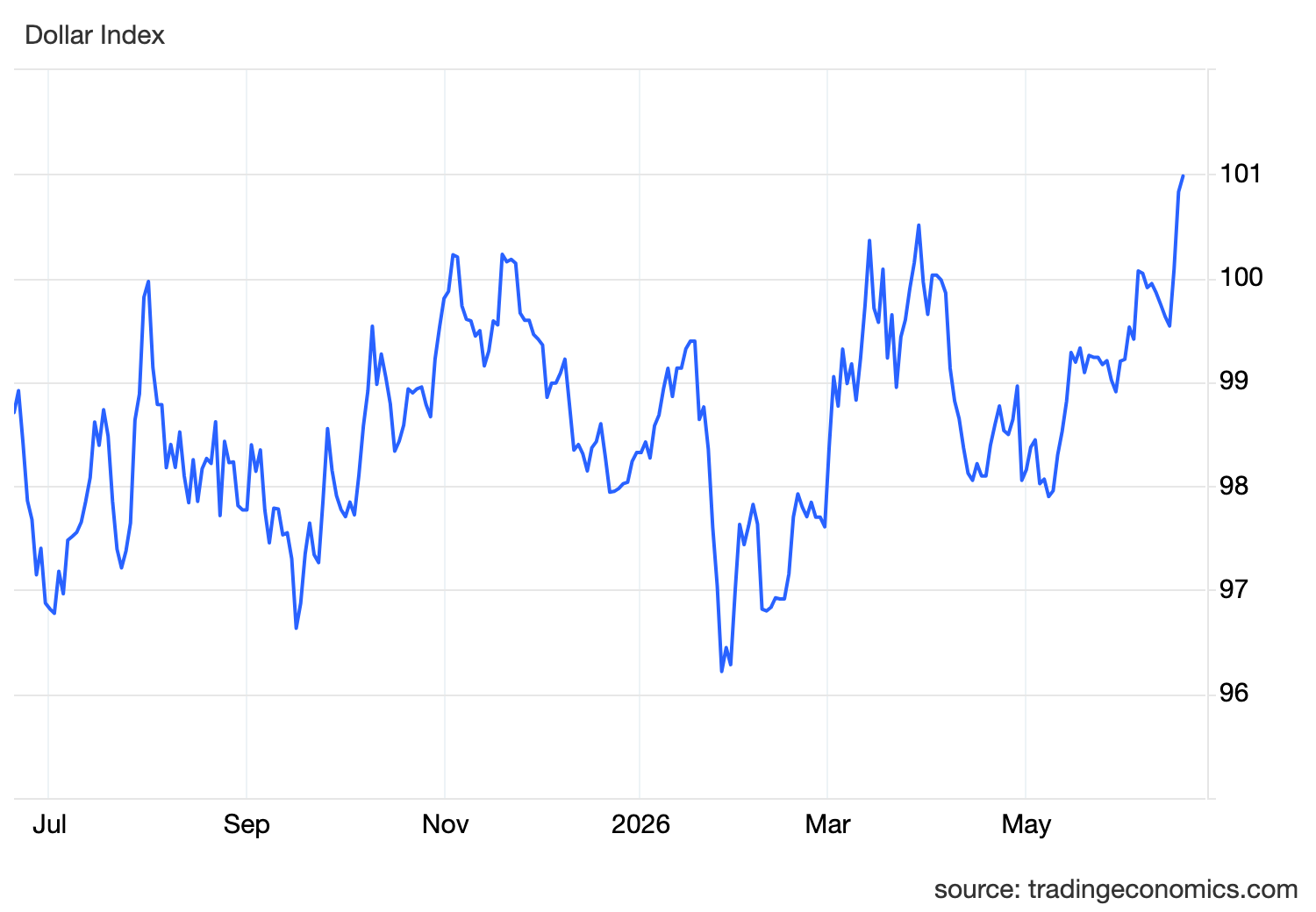 [16]Market Analysis
Dollar Climbs as Fed Keeps Hike Risk on the Table
The dollar remained near its strongest level in more than a year as investors digested a notably hawkish Federal Reserve meeting. While the US-Iran peace agreement has eased energy market tensions and lowered oil prices, the Fed's sharply higher inflation forecasts and growing support for additional rate hikes have become the dominant driver of markets.
Philip OginaJun 19, 2026 · 3m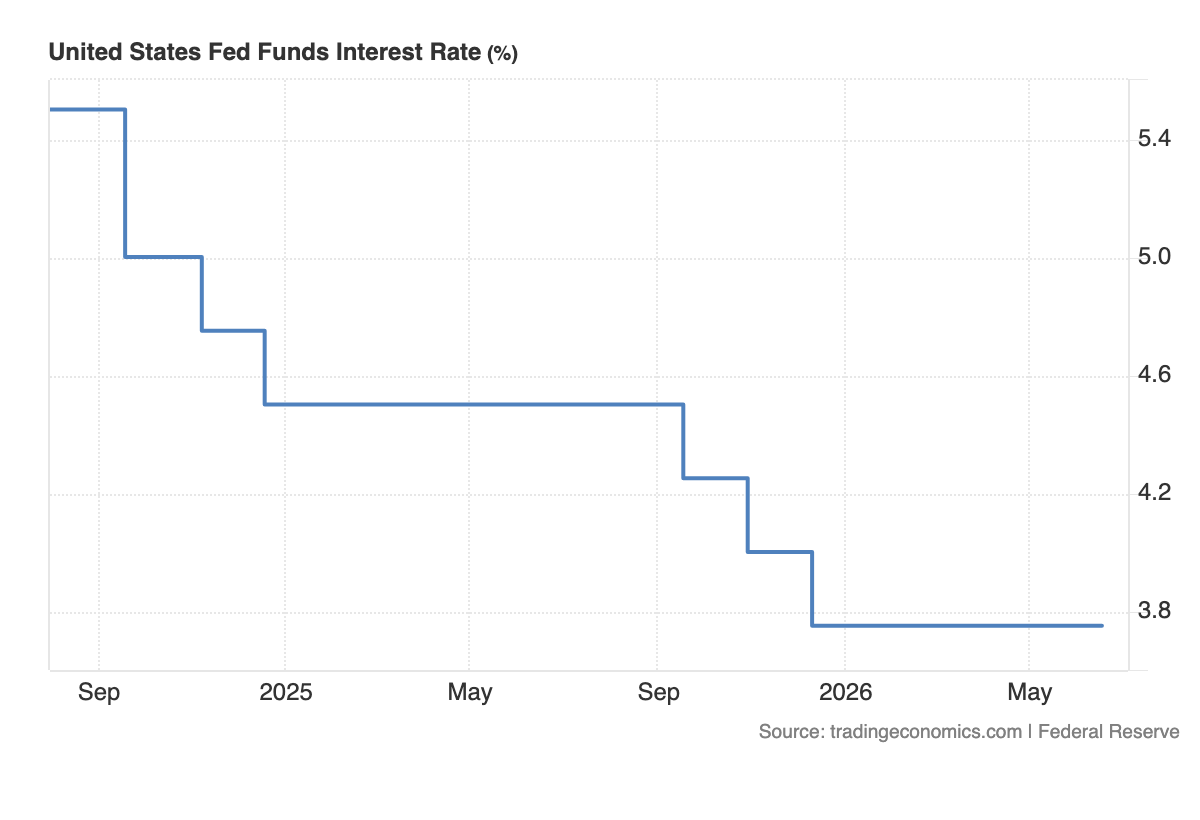 [17]Macro
Warsh's First Fed Meeting Delivers a Hawkish Warning
The Federal Reserve left interest rates unchanged, but the updated projections delivered a clear message: inflation has become a bigger problem than policymakers expected just three months ago. Despite softer growth forecasts, officials sharply raised their inflation outlook and kept the door open to further tightening, underscoring how the Middle East energy shock continues to reshape the policy landscape.
Philip OginaJun 18, 2026 · 4m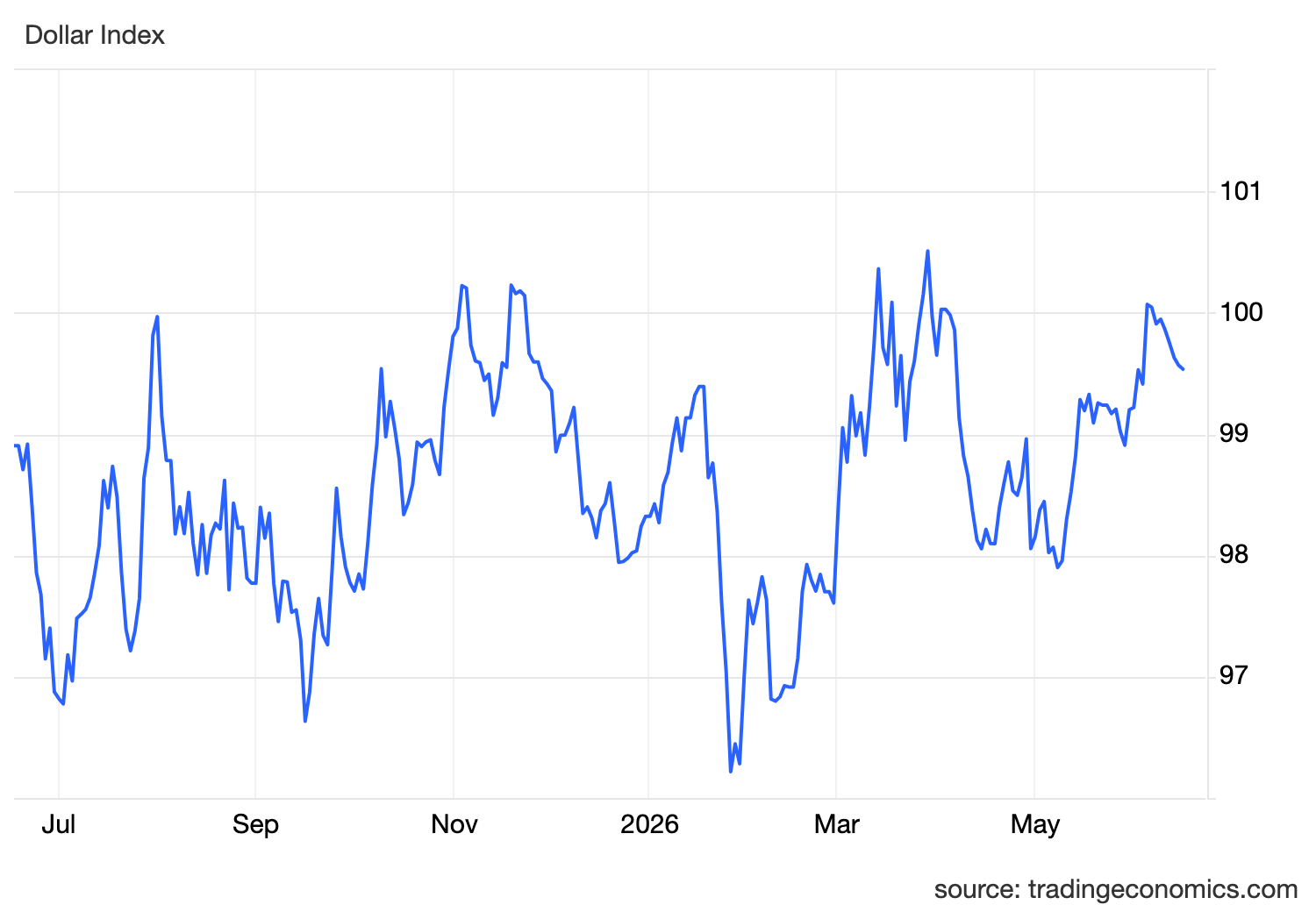 [18]Forex
Markets Await Warsh’s Debut as Oil Shock Fades and Policy Outlook Shifts
The dollar held steady ahead of the Federal Reserve's first policy decision under Chair Kevin Warsh, as investors assessed a rapidly changing macro backdrop. With the US-Iran peace agreement driving oil prices lower, central banks are beginning to diverge on policy, creating fresh uncertainty around yields, currencies and the next phase of the global inflation cycle.
Philip OginaJun 17, 2026 · 3m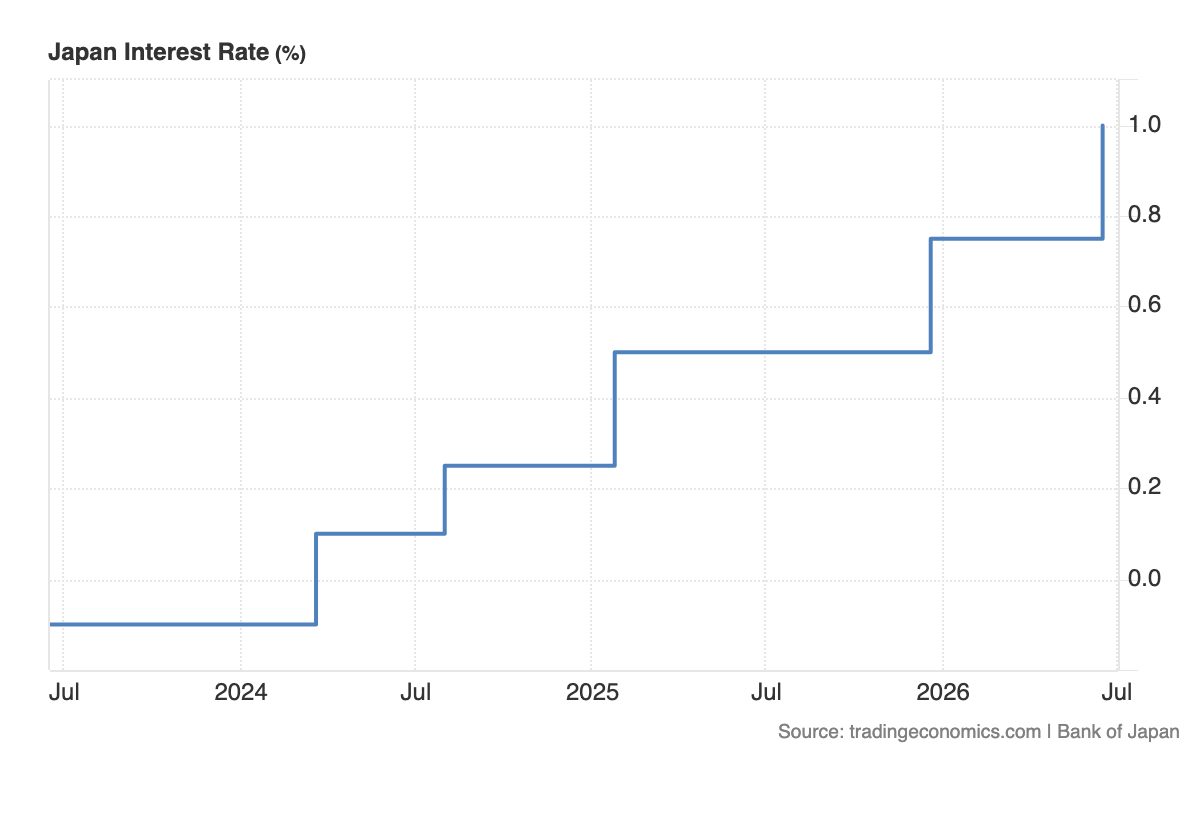 [19]Forex
BoJ Hikes to 1% as Inflation Risk Forces Normalization
The Bank of Japan raised its short-term policy rate to 1.0%, the highest level since 1995, as policymakers responded to persistent inflation pressure, yen weakness and the lingering effects of the energy shock. The move confirms that Japan is no longer operating in the old ultra-low-rate regime, even as lower oil after the US-Iran deal may reduce some future inflation pressure.
Philip OginaJun 16, 2026 · 4m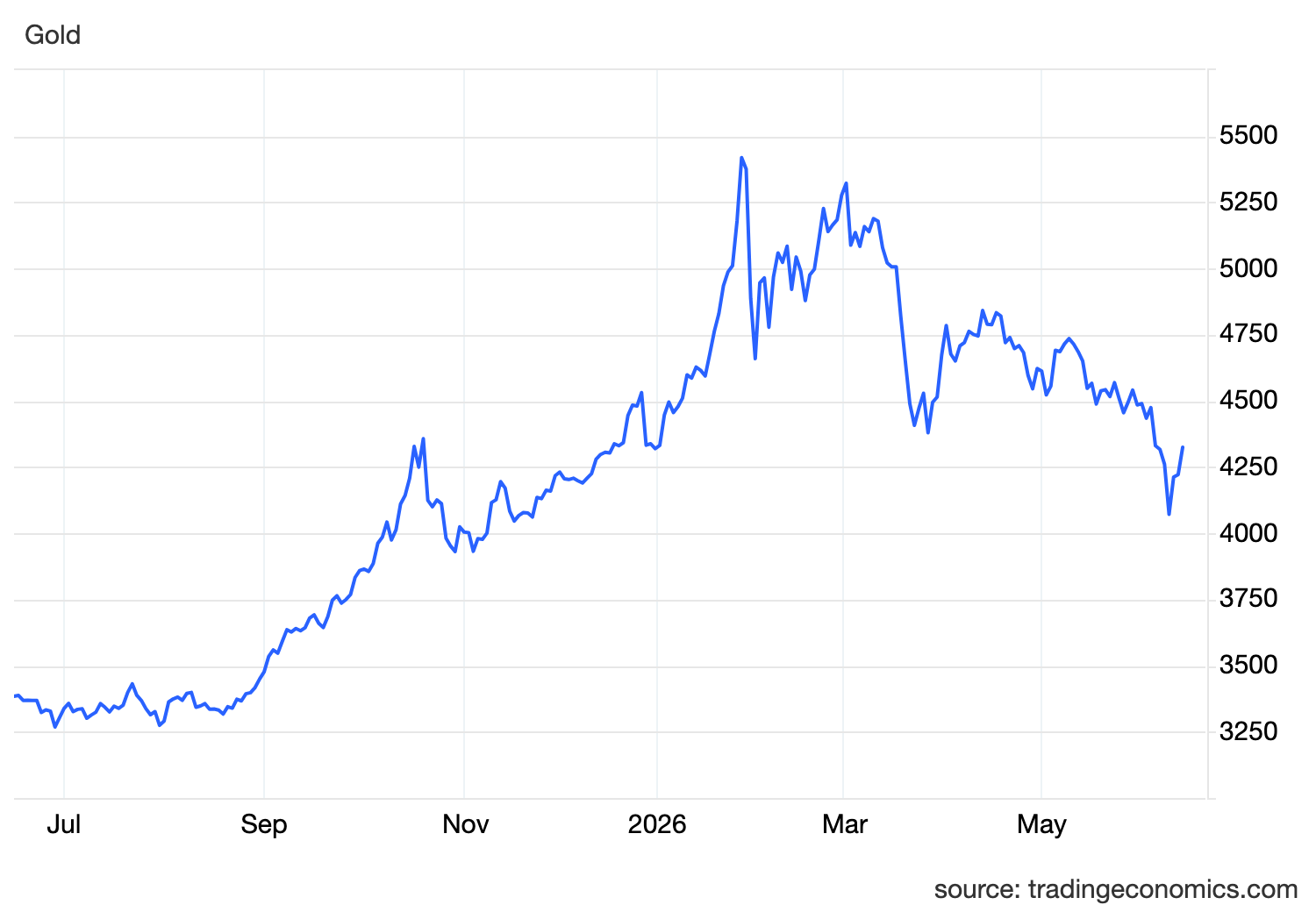 [20]Market Analysis
Gold Climbs as Iran Deal Breaks the Oil Inflation Chain
Gold climbed above 4300 as the US-Iran peace agreement reduced the oil shock that had been driving inflation, yields and Fed hike expectations. The move is not only about weaker geopolitical risk. It is about lower oil easing the pressure on monetary policy and giving bullion room to recover after weeks of rate-driven selling.
Philip OginaJun 15, 2026 · 3m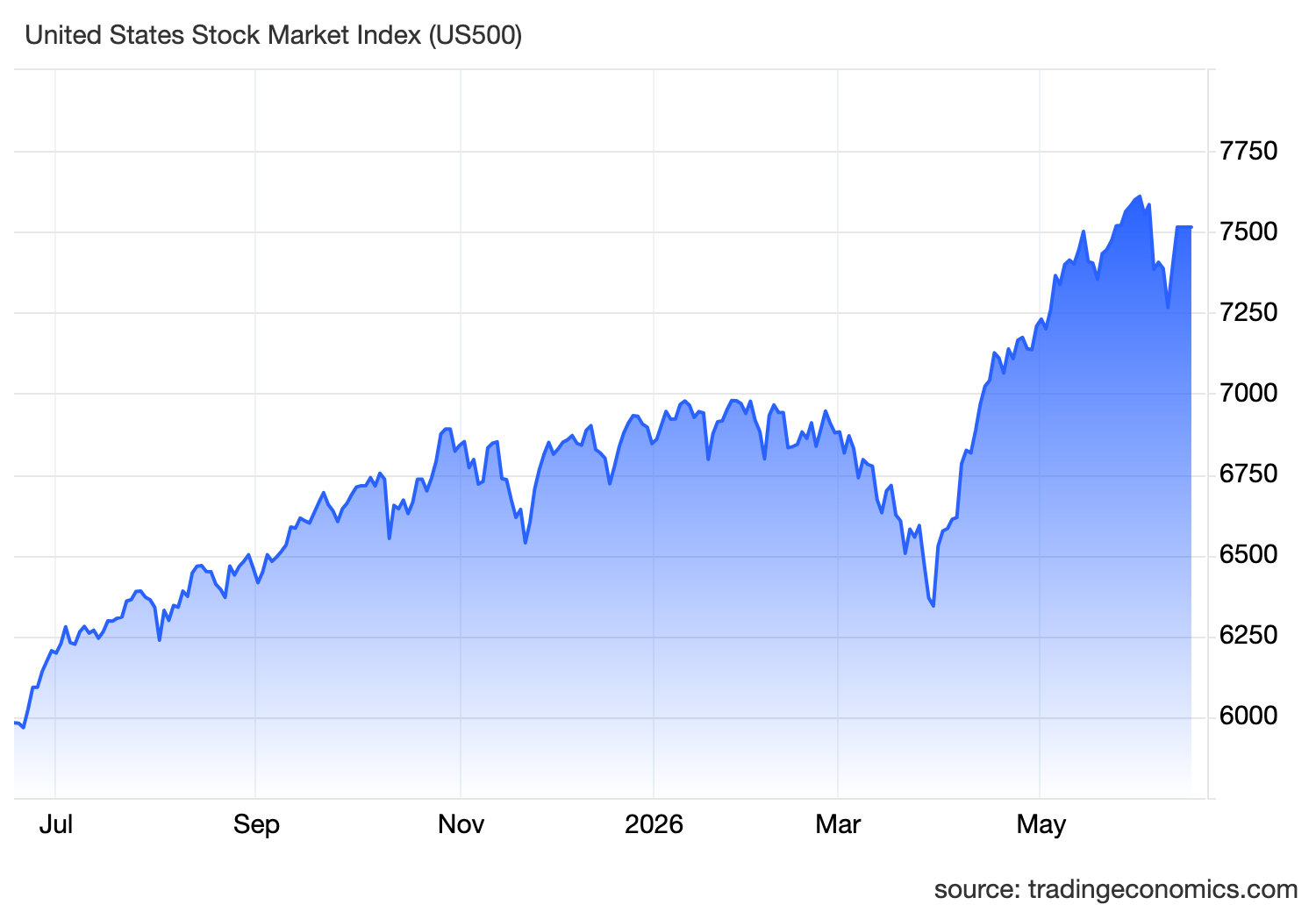 [21]Equities
Stock Futures Rally as Oil Shock Breaks
US stock futures rallied after the US and Iran reached a breakthrough agreement aimed at ending the conflict and reopening the Strait of Hormuz. The deal has pushed oil to a two-month low, easing inflation fears, cooling rate-hike risk and giving growth stocks fresh support after SpaceX’s blockbuster IPO reinforced investor appetite for high-profile risk assets.
Philip OginaJun 15, 2026 · 4m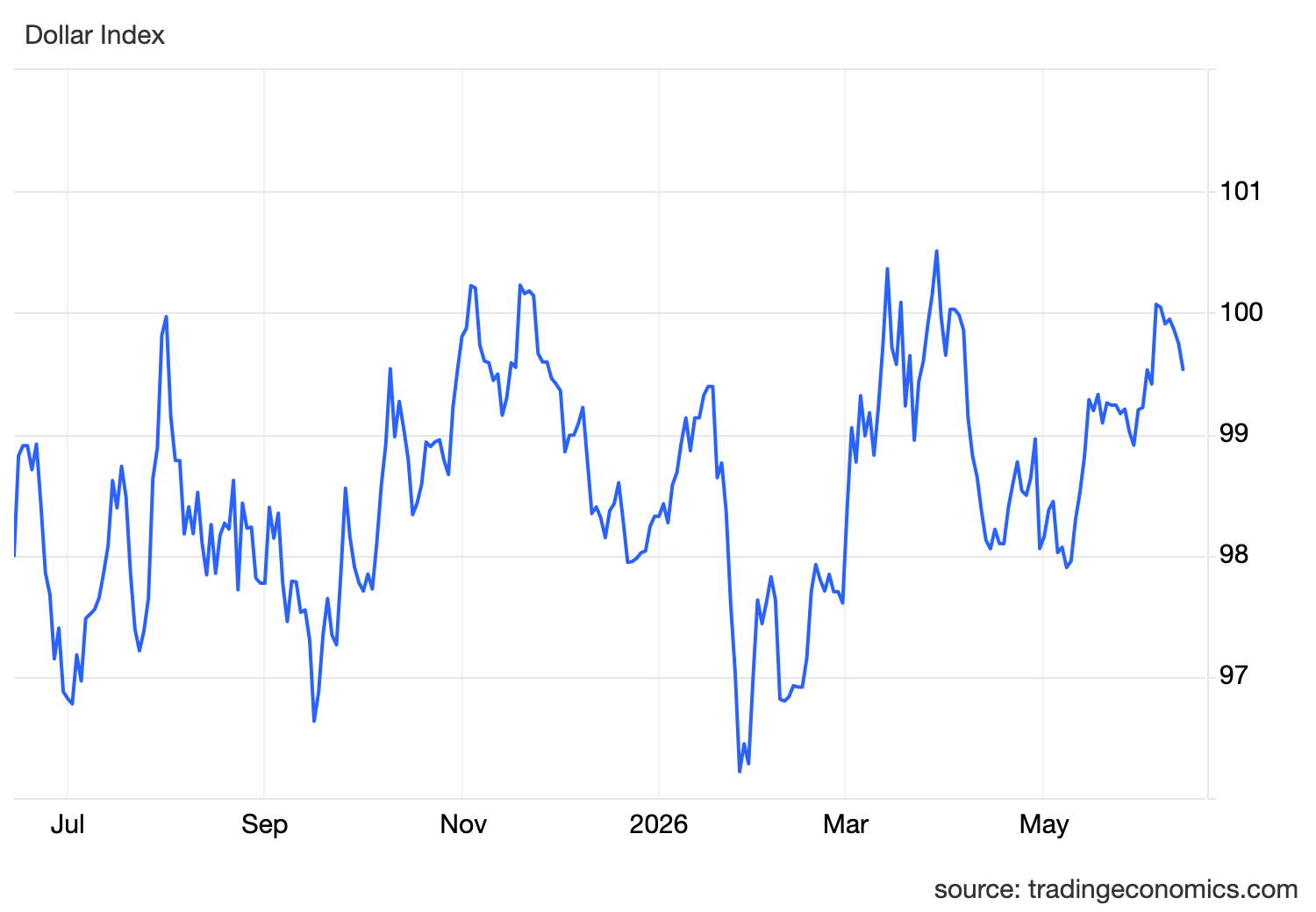 [22]Market Analysis
Peace Deal Softens Dollar Ahead of Warsh’s First Fed Meeting
The dollar slipped to its lowest level in more than a week after the US and Iran reached a peace agreement aimed at reopening the Strait of Hormuz. The deal has pushed oil lower, reduced safe-haven demand and eased the inflation pressure that had been supporting yields and keeping the Federal Reserve biased toward tighter policy.
Philip OginaJun 15, 2026 · 4m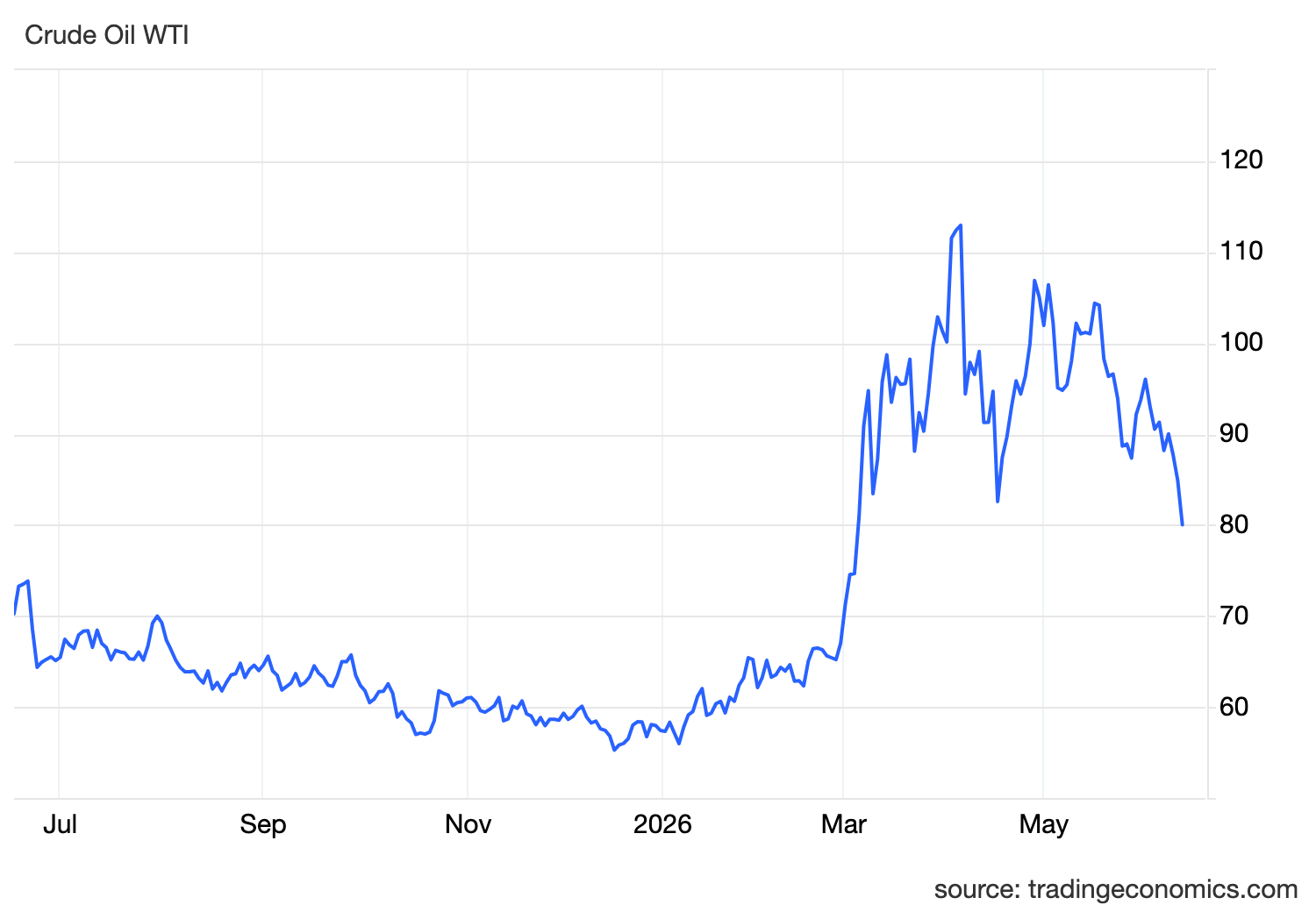 [23]Market Analysis
Oil Plunges as US-Iran Deal Breaks the Hormuz Shock
Crude oil plunged toward 80 after the US and Iran reached a peace agreement aimed at ending the Middle East conflict and reopening the Strait of Hormuz. The move is a major macro reset because lower oil weakens the inflation shock, reduces pressure on bond yields and gives central banks more room to avoid further tightening.
Philip OginaJun 15, 2026 · 5m [24]Forex
ECB Hikes as Energy Shock Forces Policy Shift
The European Central Bank raised rates for the first time since 2023 as the Middle East energy shock pushed inflation risks back above comfort levels. The move signals that the ECB is prioritizing inflation credibility even as growth forecasts weaken, creating a more difficult backdrop for eurozone assets.
Philip OginaJun 12, 2026 · 4m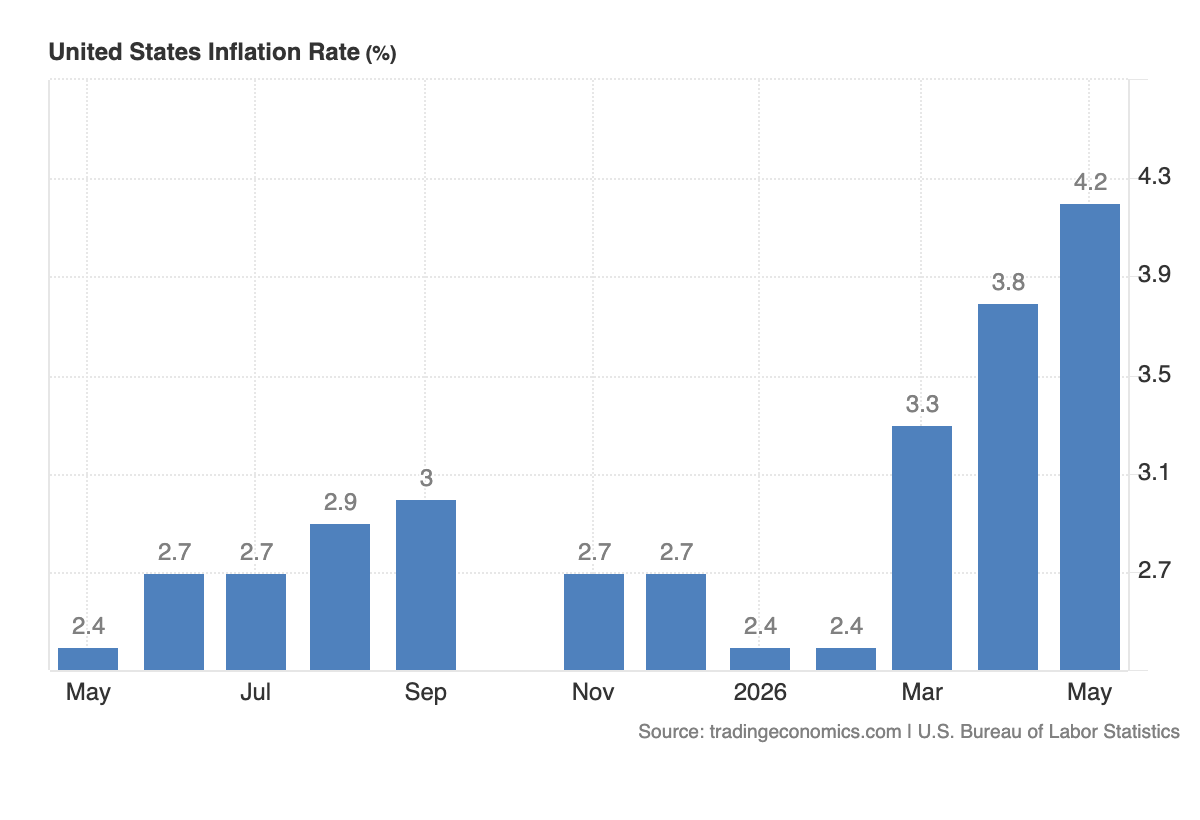 [25]Macro
Oil-Driven CPI Surge Tests Trump’s Inflation Narrative
US inflation rose to 4.2% in May, the highest level since April 2023, as the Iran war-driven energy shock pushed gasoline, fuel oil and broader household costs higher. Trump tried to frame the spike as temporary and tied to the war, but markets are focused on the policy reality: inflation is accelerating, energy is doing most of the damage and the Fed has less room to ease.
Philip OginaJun 11, 2026 · 4m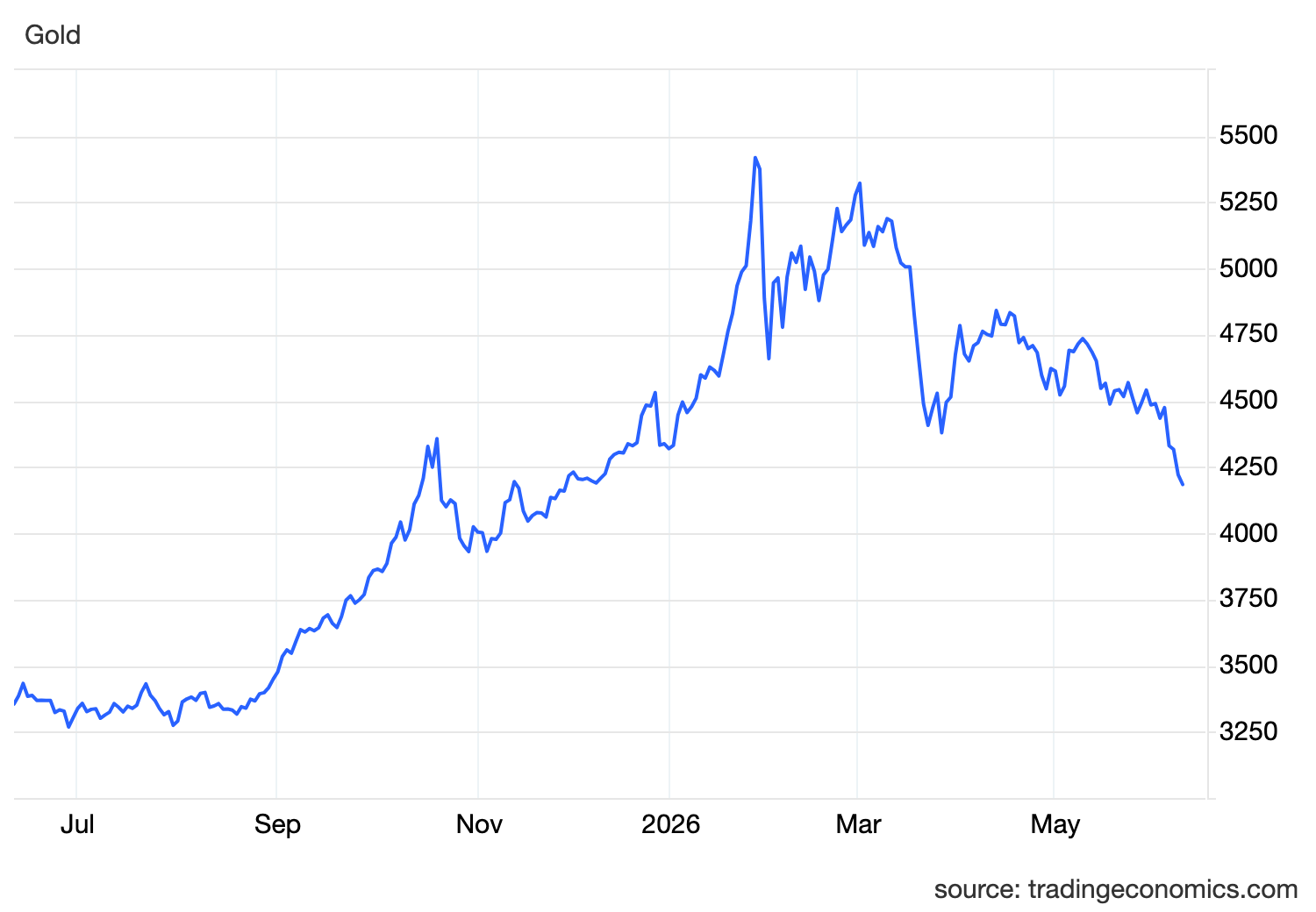 [26]Market Analysis
Gold Breaks Lower as Us- Iran Escalation Revives Fed Hike Risk
Gold dropped below 4200 as fresh US strikes on Iran reignited oil-driven inflation fears and pushed markets back toward a tighter Fed outlook. The move confirms the same pattern that has dominated this conflict: escalation is not automatically bullish for gold when it lifts oil, inflation expectations, yields and rate-hike risk.
Philip OginaJun 10, 2026 · 3m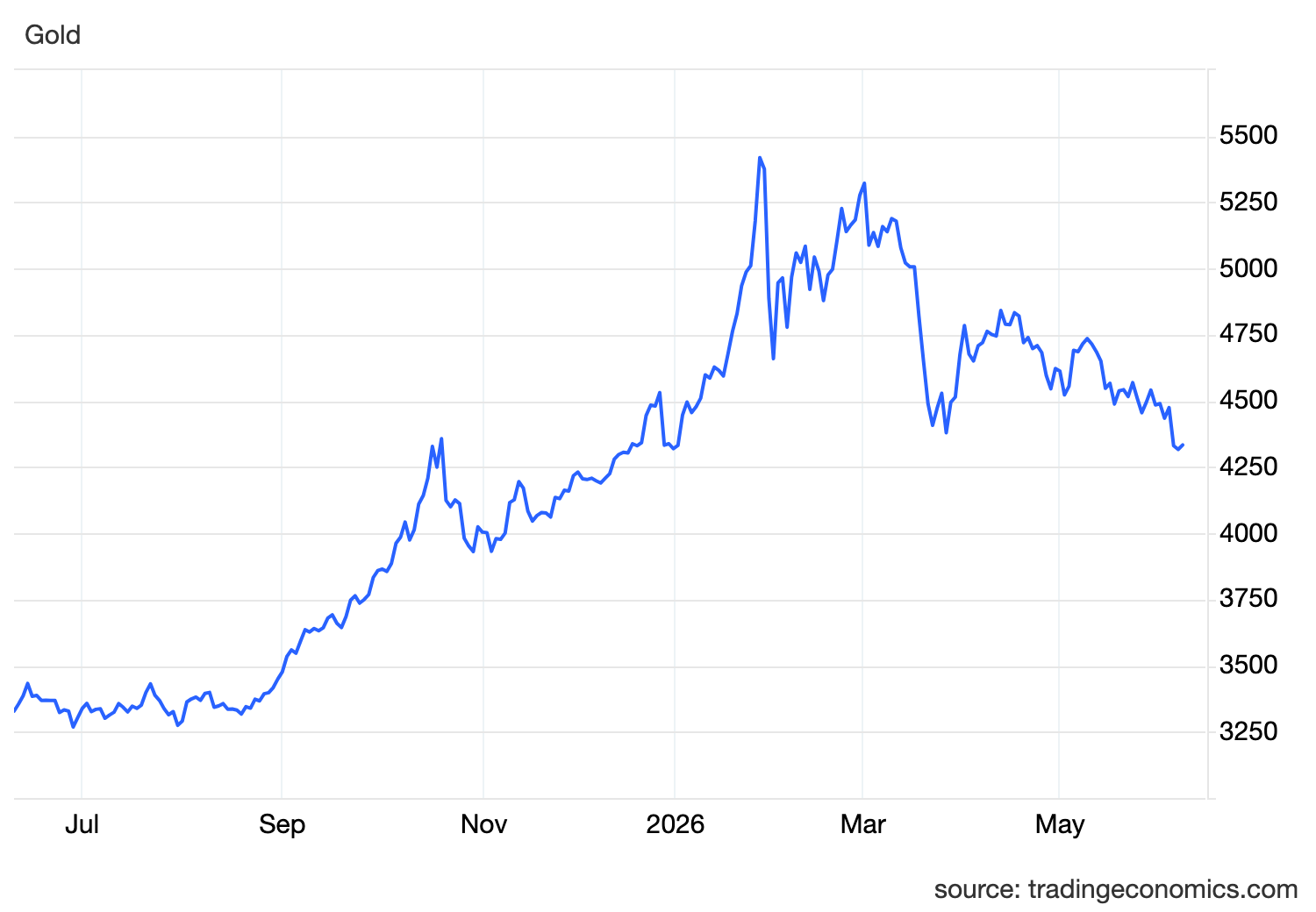 [27]Market Analysis
Gold Steadies as Ceasefire Eases Oil Risk, But Jobs Keep Fed Tight
Gold steadied above 4300 as the Iran-Israel ceasefire reduced immediate energy-shock fears, but the broader rates backdrop remains hostile. Stronger US jobs data has pushed markets toward a higher probability of a December Fed hike, leaving bullion trapped between lower geopolitical risk and higher Treasury yields.
Philip OginaJun 9, 2026 · 3m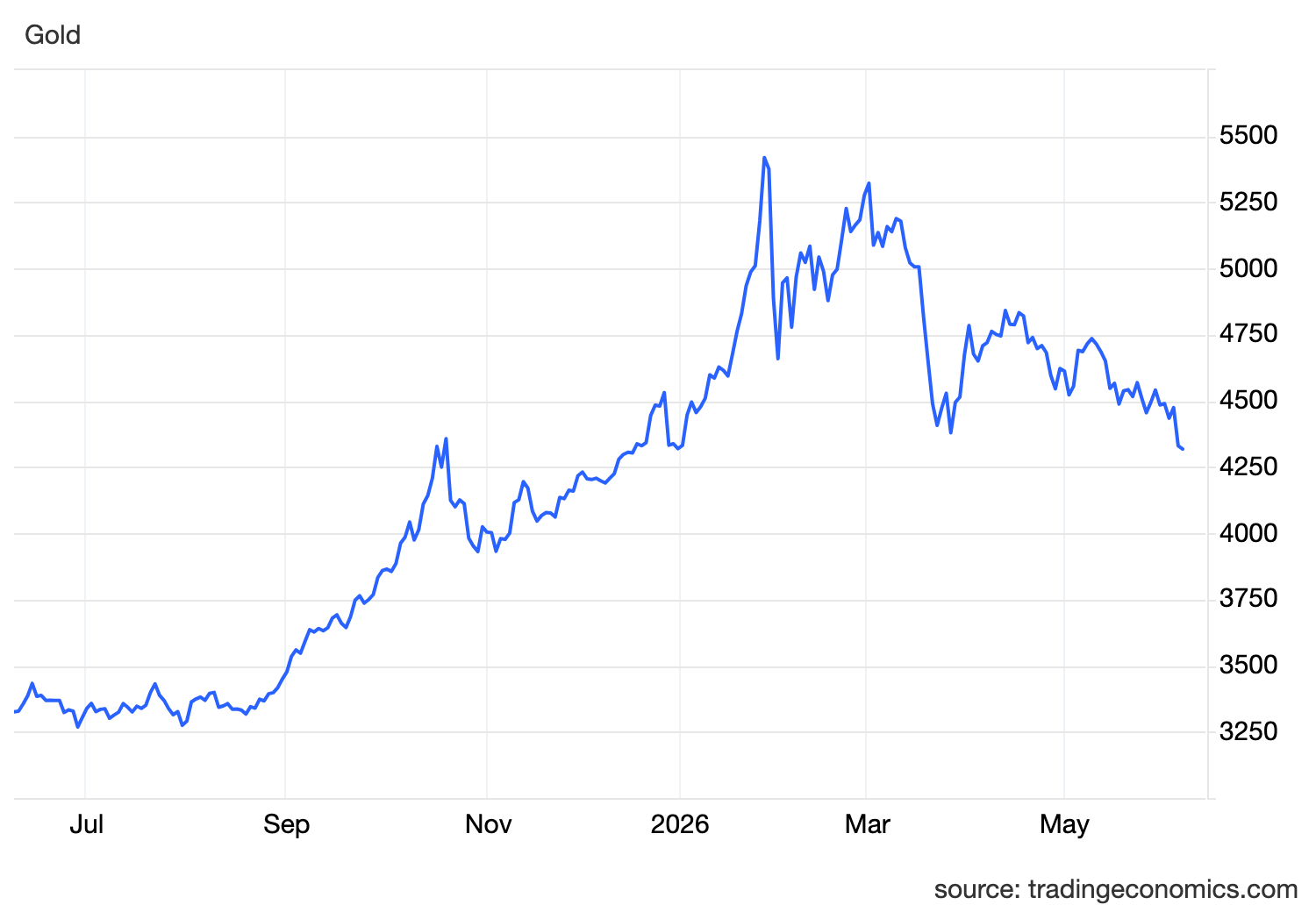 [28]Market Analysis
Gold Slides as Jobs Strength Revives Fed Hike Risk
Gold is trading near 4300 after a sharp weekly selloff, as renewed Middle East tensions keep oil prices elevated while stronger US employment data reinforces the case for tighter Federal Reserve policy. The metal remains under pressure because the market is not treating the conflict as a simple safe-haven story, but as an inflation shock that keeps yields high and rate-hike risk alive.
Philip OginaJun 8, 2026 · 3m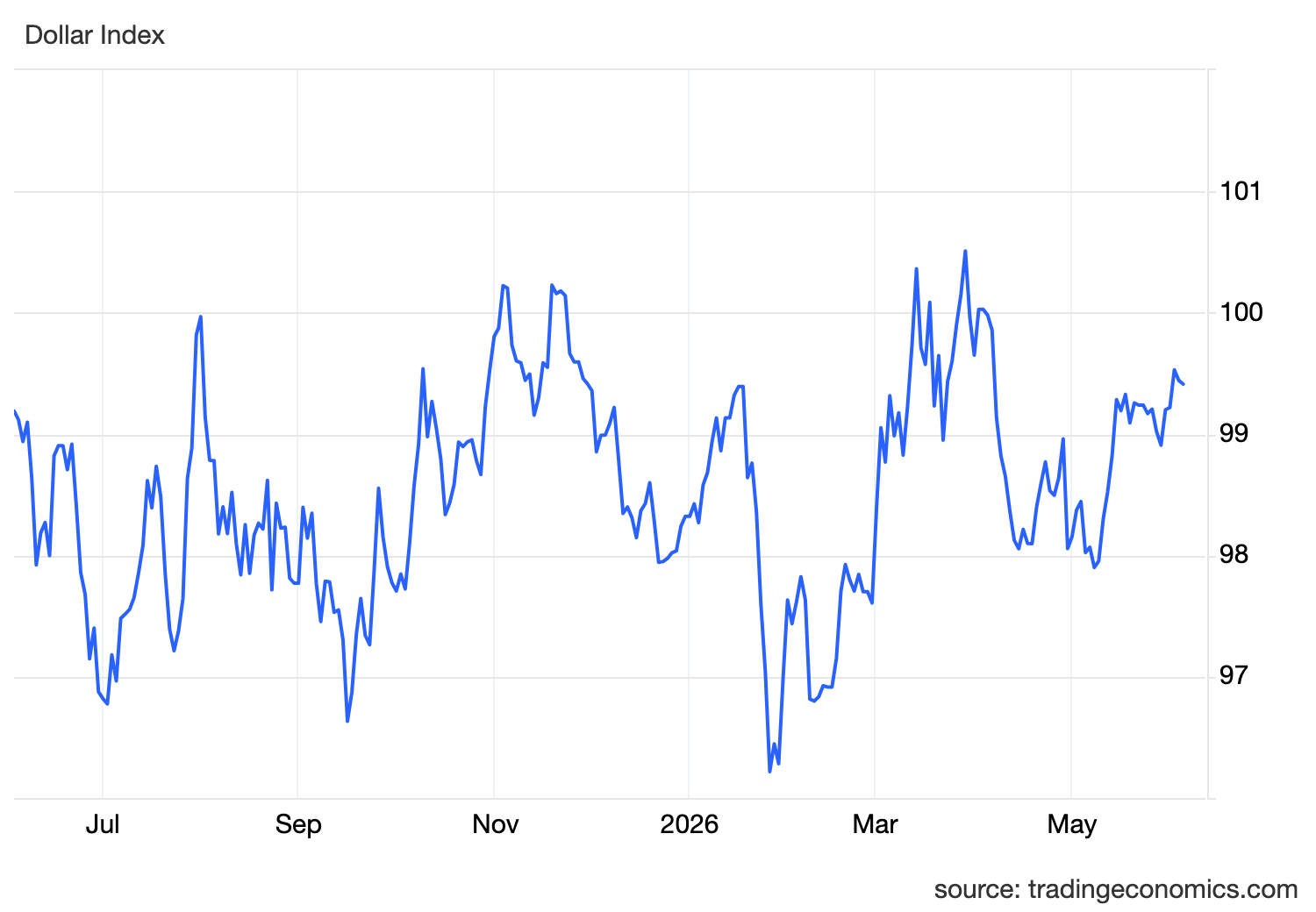 [29]Macro
Dollar Stays Supported as Jobs Data Meets Middle East Inflation Risk
The dollar held near 99.4 and remained on track for a weekly gain as Middle East uncertainty kept safe-haven demand alive while resilient US labour data supported a hawkish Fed repricing. With oil-driven inflation still feeding through the economy, markets are treating Friday’s jobs report as a key test of whether the Fed has room to stay restrictive or even hike later this year.
Philip OginaJun 5, 2026 · 4m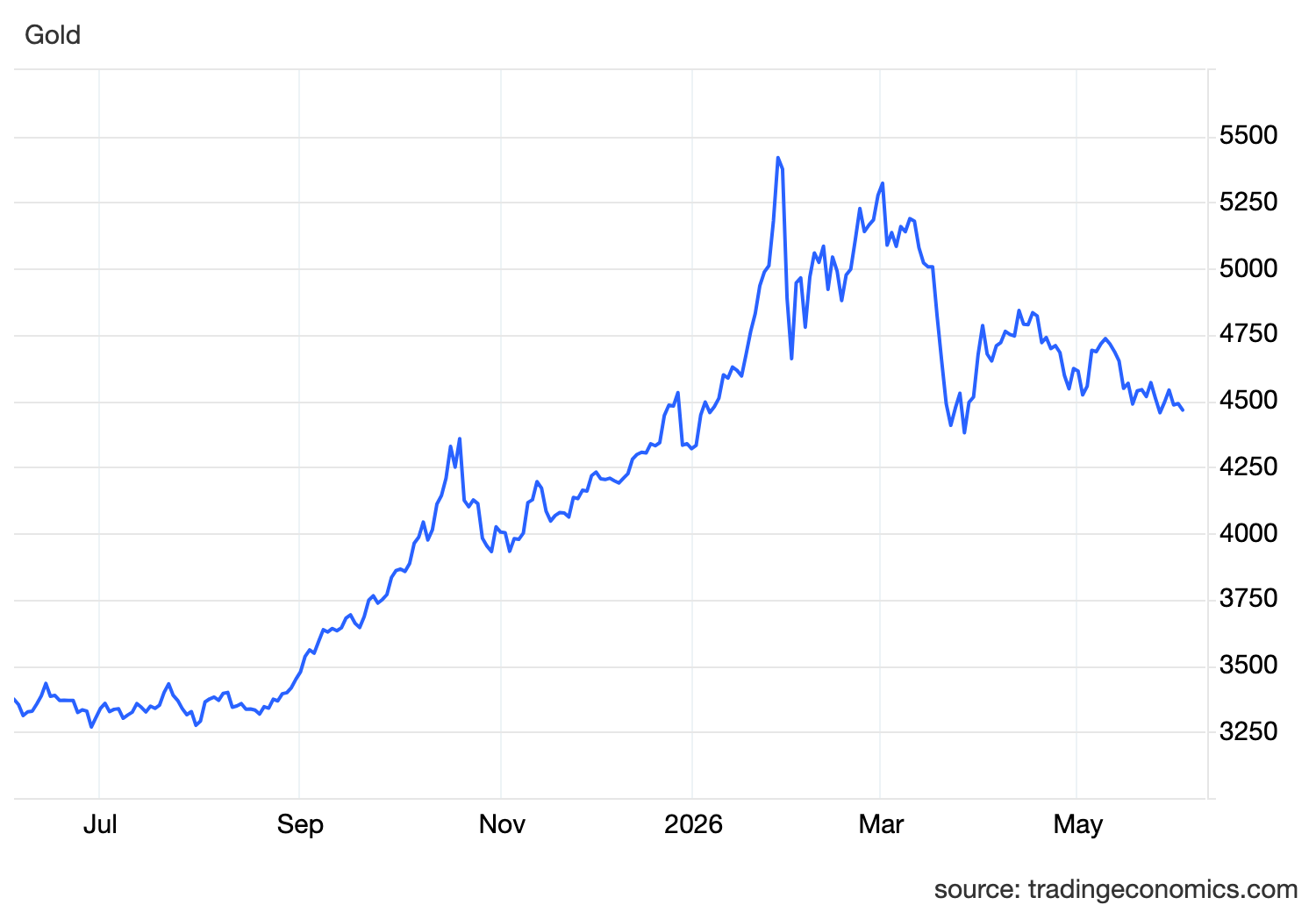 [30]Market Analysis
Gold Stays Pressured as Strong Jobs Data Keeps Fed Tight
Gold remained below 4500 as stronger US labour data reinforced the view that the Federal Reserve has little reason to cut rates while inflation risk remains elevated. With oil prices still sensitive to US-Iran negotiations and the upcoming NFP report in focus, gold is stuck between geopolitical uncertainty and a rates backdrop that remains hostile.
Philip OginaJun 3, 2026 · 3m
[01]Subscribe
Get the digest.
A weekly email with the sharpest observations. No spam, no affiliate pitches, no courses.