The yen is catching a bid, but this is still not a clean trend reversal.
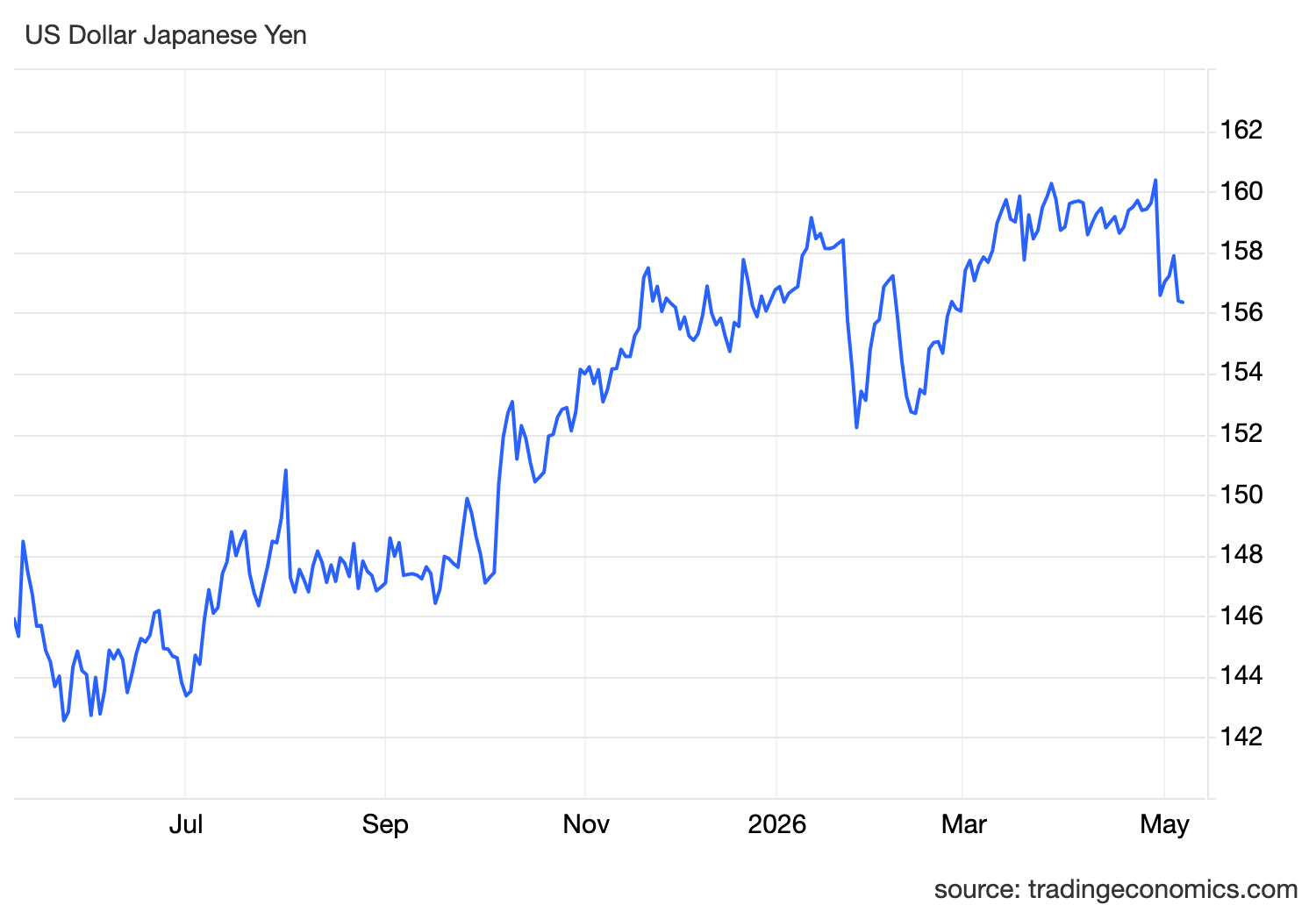
Dollar yen trading around 156 shows that the market is taking Tokyo seriously again. The overnight move, which lifted the yen by about one percent, was widely seen as suspected intervention, even though the Ministry of Finance has not confirmed any action.
That silence is normal.
Japan does not need to confirm intervention for the market to react. The price action is usually enough. Fast yen strength, thin holiday liquidity, and repeated official warnings create the kind of setup traders immediately associate with Tokyo stepping in.
The timing also matters.
Golden Week liquidity gives authorities a better window to influence the market. When trading is thinner, intervention can have a larger short-term impact. That is why markets are staying alert after Finance Minister Satsuki Katayama warned of decisive measures against speculative moves.
So the first driver is clear.
Intervention risk is capping dollar yen.
But the yen is not only being supported by Tokyo.
The external backdrop has also improved.
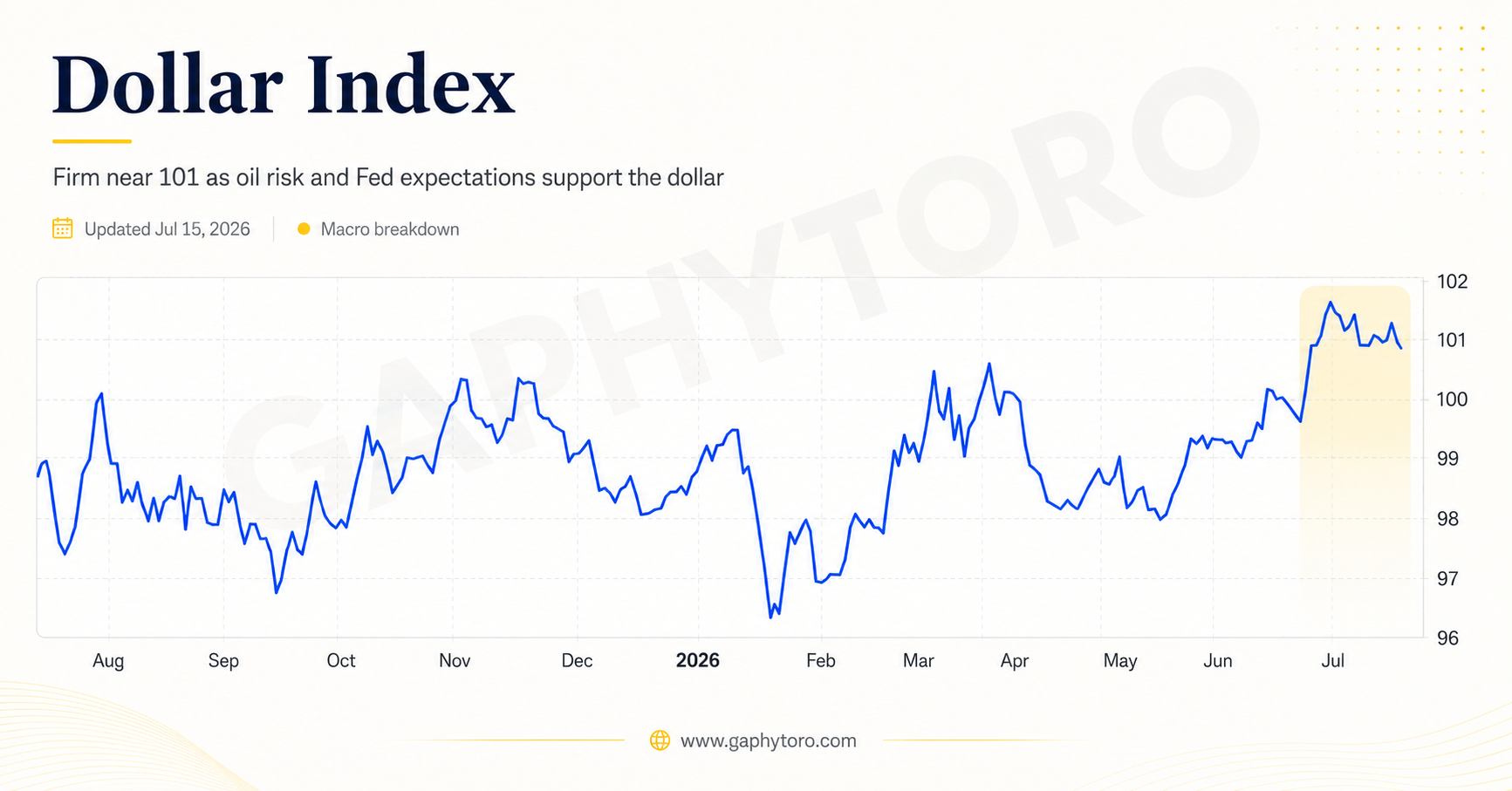
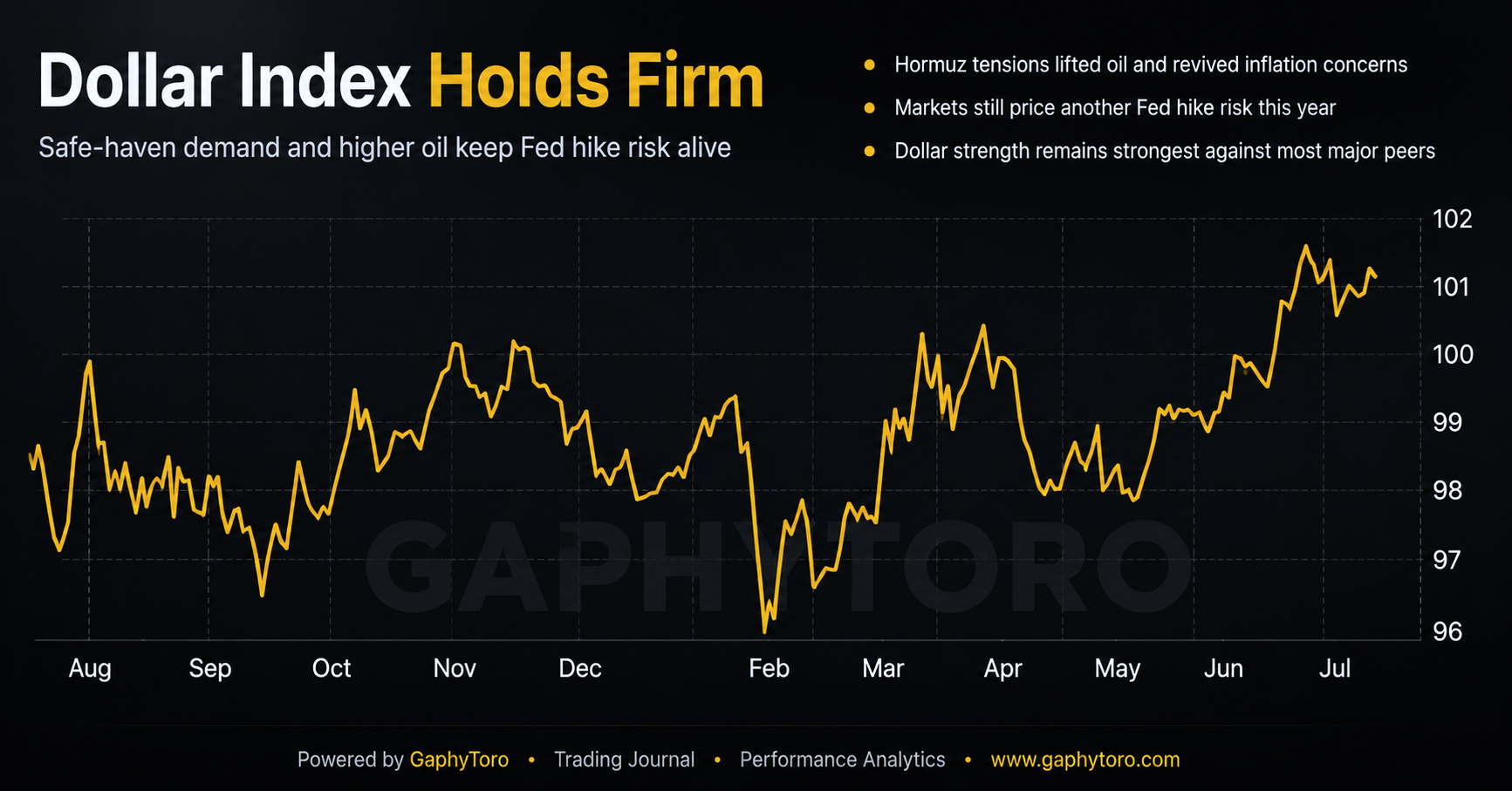
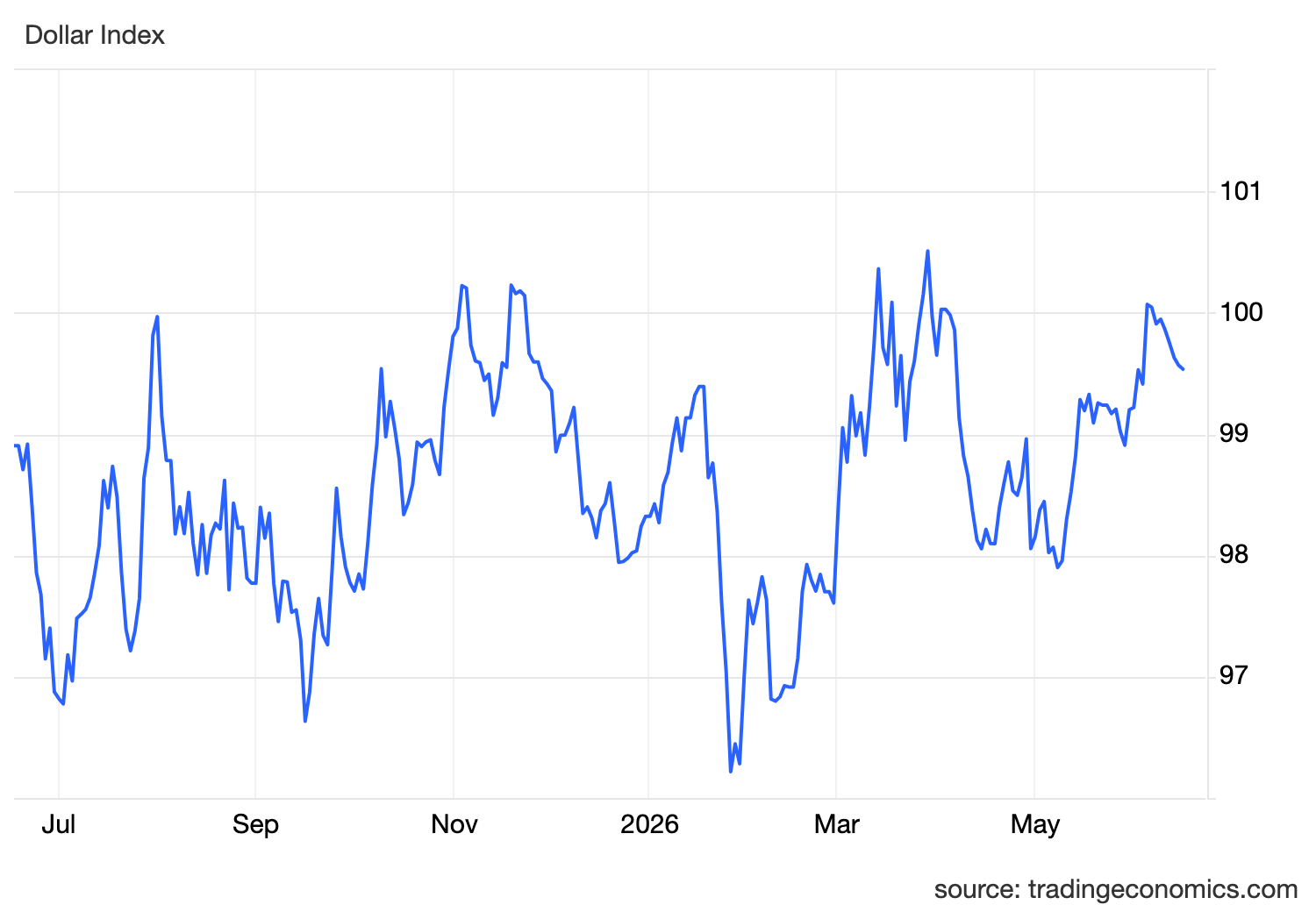
The dollar has weakened as markets price a better chance of a US and Iran agreement. If geopolitical risk fades, safe-haven demand for the dollar falls. That naturally reduces pressure on the yen.
Oil is the second major external support.
A sharp drop in oil prices eases inflation concerns. That lowers the risk that the Federal Reserve needs to become more restrictive again. If oil keeps falling, the market has less reason to price higher US yields.
That matters directly for dollar yen.
The yen has been under pressure because the US and Japan rate gap remains wide. When US yields rise, dollar yen rises. When US yields soften, yen pressure eases.
So the latest move is being driven by three forces working together.
Tokyo intervention risk.
A weaker dollar.
Lower oil reducing Fed tightening pressure.
That combination is powerful in the short term.
But the structural issue is still unresolved.
The Bank of Japan has not delivered aggressive tightening, and the Fed has not clearly shifted toward easing. Until that policy gap narrows properly, yen rallies can still fade.
This is the key point.
Japan can slow yen weakness through intervention, but it cannot fully reverse the trend unless the macro backdrop changes.
For now, that backdrop is improving, but not enough to call a full yen recovery.
If oil keeps falling, US yields ease, and the dollar remains soft, dollar yen can move lower.
If talks fail, oil rebounds, inflation fears return, and the Fed stays restrictive, dollar yen can quickly push higher again.
So the yen is stronger, but still vulnerable.
Tokyo has bought time.
Now the market needs policy and oil to do the rest.
Filed under
Written by

Founder & CEO, GaphyToro
Philip Ogina is the Founder and CEO of GaphyToro, a trader-first performance ecosystem built to help modern traders improve through structure, discipline, data, and better execution. He is a trader, investor, market analyst, educator, and software builder focused on building tools and infrastructure for the next generation of traders.