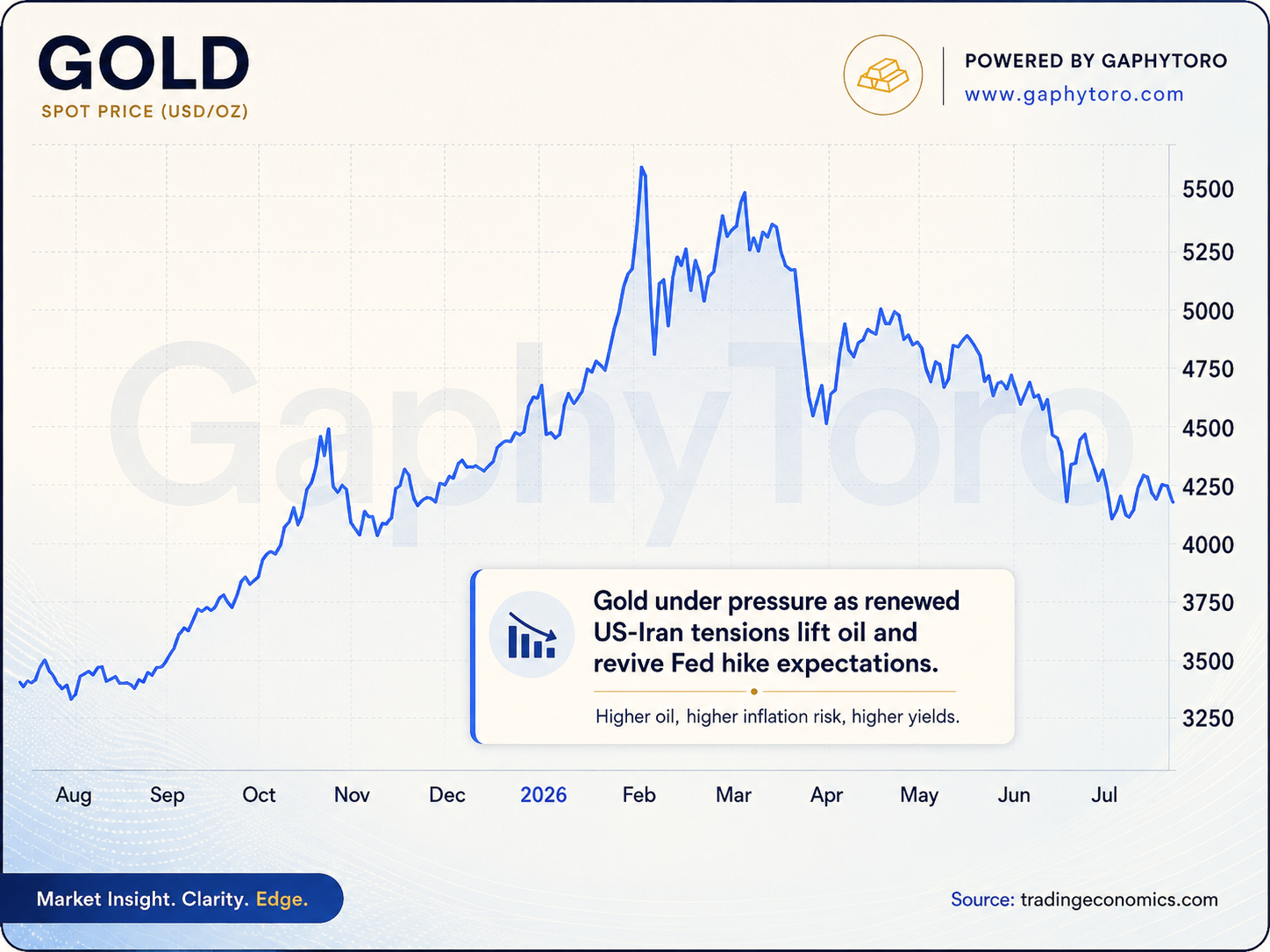
Gold is still under pressure, and the message from the market is clear.
This is not a normal safe haven trade.
Middle East tensions have intensified again, with US forces repelling Iranian attacks while escorting vessels through the Strait of Hormuz. The UAE also reported intercepting Iranian cruise missiles, while a major fire at Fujairah port has been linked to a drone strike.
That should normally support gold.
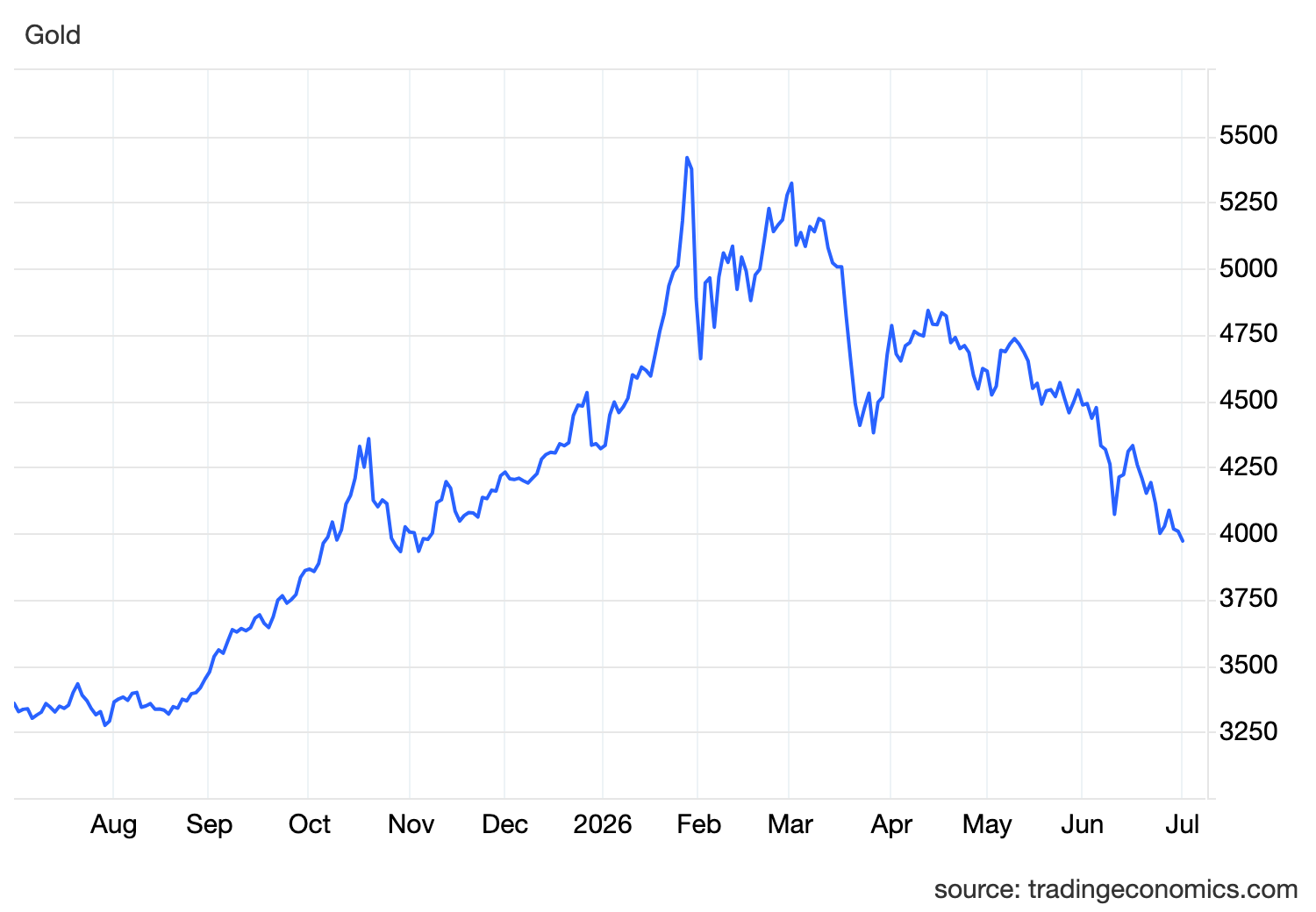
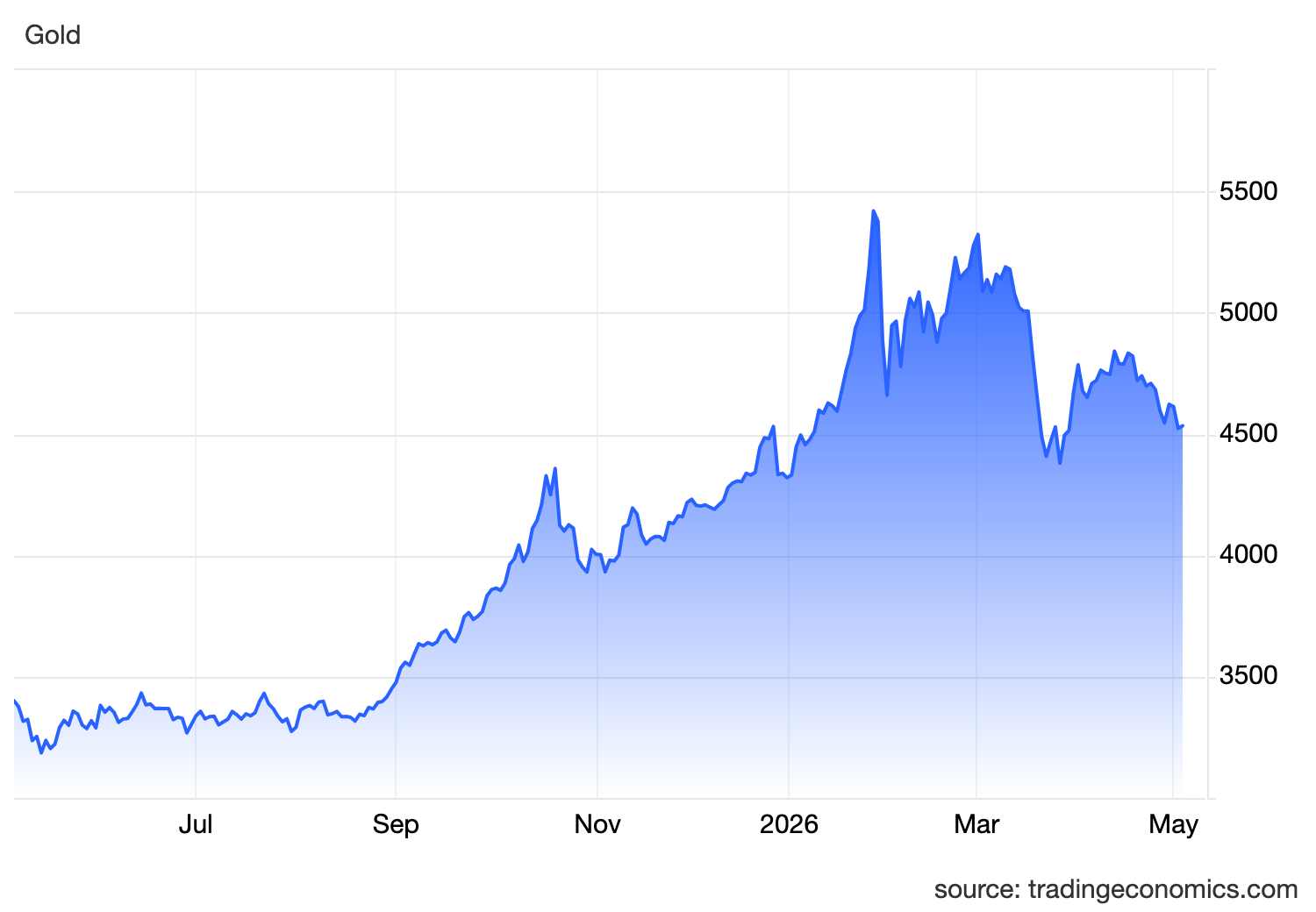
But instead, gold is sitting near 4500 after falling almost two percent in the previous session. It is now down nearly fifteen percent since the war began.
The reason is oil.
The latest escalation has raised doubts over whether the four-week ceasefire can hold. It has also made shipping through Hormuz more difficult, even with Trump’s plan to restore transit and support stranded vessels.
Shipowners are still cautious.
That means the market is not pricing a quick normalization of supply routes. It is pricing continued disruption risk.
So oil rises.
And once oil rises, the macro chain changes.
Higher oil feeds directly into inflation expectations. Higher inflation expectations push bond yields higher. Higher yields increase the opportunity cost of holding gold.
That is the real pressure point.
Gold does not pay interest. So when yields rise, especially real yields, bullion becomes less attractive compared to cash, bonds and the dollar.
This is why gold can fall even when geopolitical risk is rising.
The market is not saying the conflict does not matter. It is saying the conflict matters because it makes inflation worse.
That puts central banks in a difficult position.
If oil keeps rising, the Federal Reserve and other central banks cannot look through the shock easily. They may be forced to stay restrictive for longer, and in a more extreme scenario, markets may even price the risk of additional hikes.
That is what is weighing on gold.
The dollar also benefits from this setup.
Higher US yields support the currency, while geopolitical uncertainty keeps defensive demand alive. That creates a double headwind for gold. Stronger dollar, higher yields, weaker bullion.
Risk sentiment also weakens.
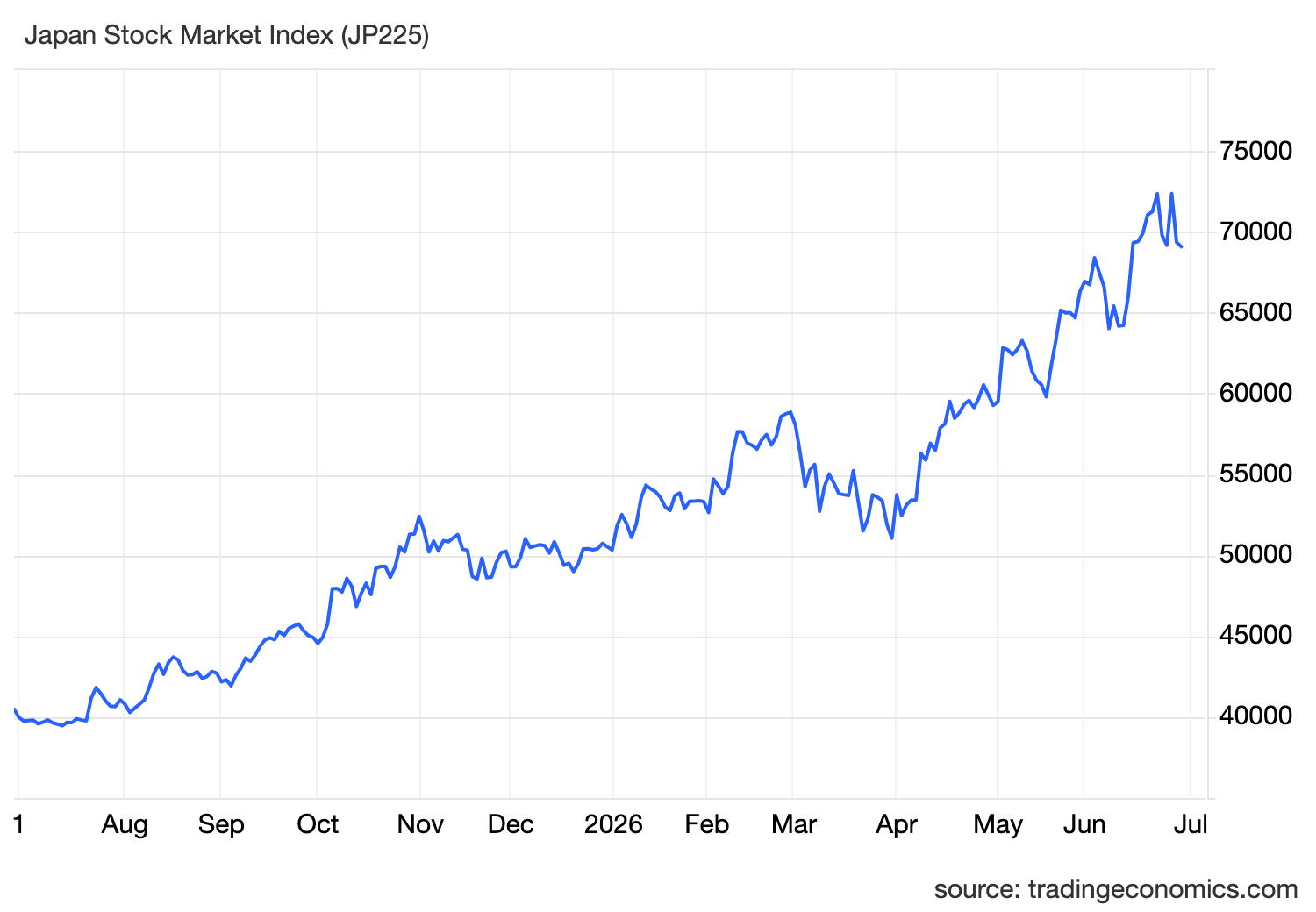
Higher oil squeezes consumers and businesses. Higher yields tighten financial conditions. Equities then face pressure from both cost inflation and valuation compression.
So the setup is clear.
This is not about fear disappearing.
It is about inflation becoming the dominant channel.
As long as Hormuz remains unstable and oil stays elevated, central banks stay constrained, yields stay supported, and gold remains vulnerable.
For gold to recover properly, the market needs one of two things.
Either oil must fall as shipping risk eases, or growth must weaken enough to pull yields lower.
Until then, rallies in gold are likely to struggle.
Filed under
Written by

Founder & CEO, GaphyToro
Philip Ogina is the Founder and CEO of GaphyToro, a trader-first performance ecosystem built to help modern traders improve through structure, discipline, data, and better execution. He is a trader, investor, market analyst, educator, and software builder focused on building tools and infrastructure for the next generation of traders.