The dollar is rising because the market has moved from rate-cut timing to rate-hike risk.
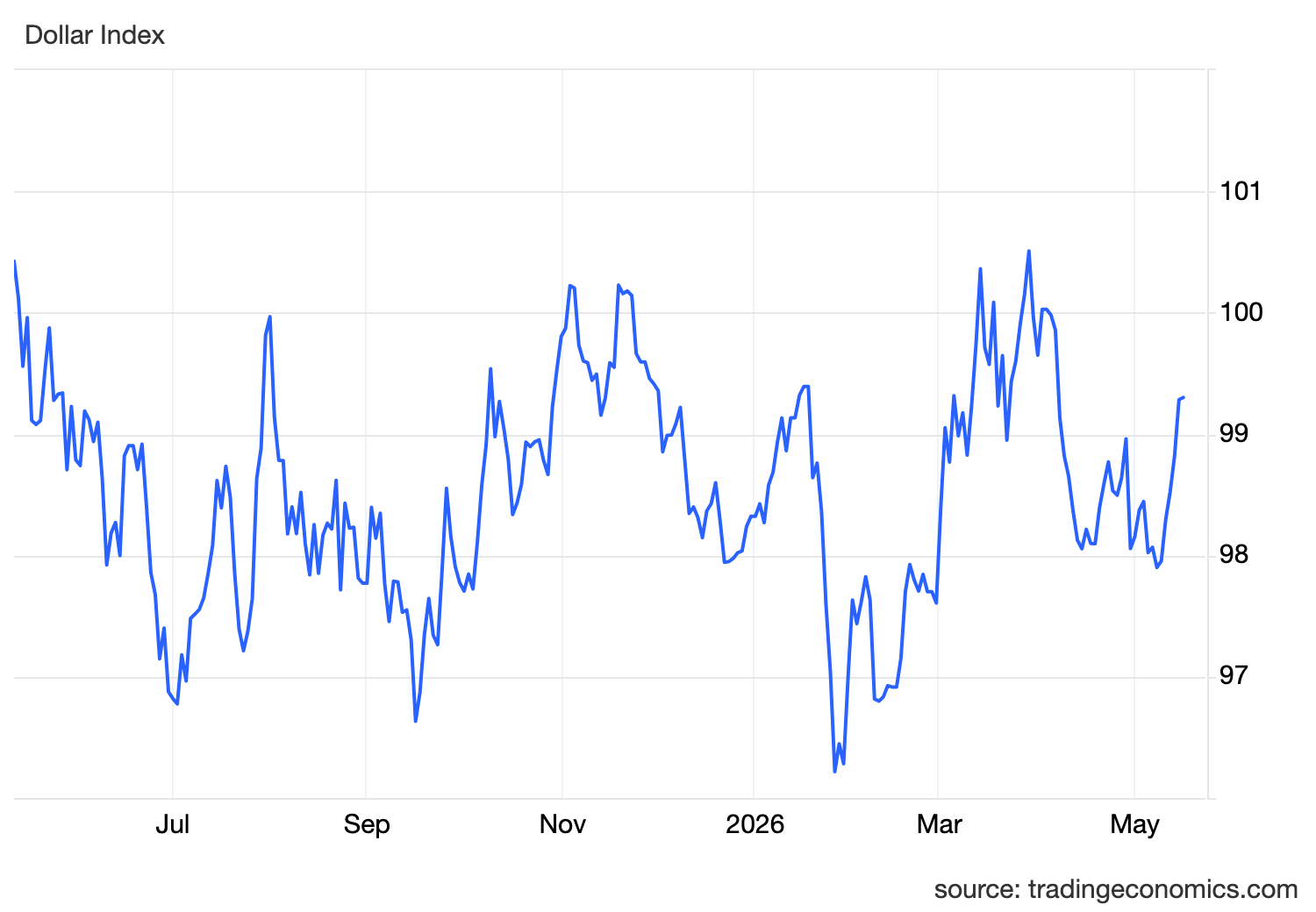
The dollar index climbed above 99.3, reaching its strongest level in six weeks, as investors continued to reprice the Federal Reserve path after last week’s inflation data. The move is not just about the dollar. It is the result of a full macro chain that starts with the Iran war, moves through oil, then inflation, then yields, then Fed expectations.
That chain is now the centre of the market.
The latest geopolitical developments have kept the pressure alive. President Trump left China without a major trade breakthrough and without meaningful progress toward ending the Iran conflict or reopening the Strait of Hormuz. His warning that Iran should “get moving” or face consequences tells markets that diplomacy is still fragile.
That matters because Hormuz is the oil channel.
As long as the strait remains disrupted, energy markets cannot fully normalize. Oil stays supported because traders have to price tighter supply, higher shipping risk and lower confidence in global crude flows.
That is how the conflict becomes an inflation event.
Oil does not stay inside the commodity market. It moves into transport costs, fuel prices, logistics, production expenses and import prices. Once that happens, the inflation shock spreads from energy into the broader economy.
Last week’s US data confirmed that this is already happening.
US consumer inflation rose 3.8% in April, above expectations and the highest since May 2023, while markets reacted by lifting the probability of a December rate hike to around 36% after the release.
Producer inflation sent the same message from the supply side. US PPI jumped to 6% year over year in April, up from 4.3% in March and above expectations, showing that higher input costs are hitting businesses before they fully pass through to consumers.
That is why the dollar is stronger.
Hot CPI shows pressure at the consumer level.
Hot PPI shows pressure at the producer level.
Elevated oil explains the source of the shock.
And the Fed has to respond to the inflation risk, not the headline alone.
This is the reaction function.
If inflation is cooling and growth is weakening, the Fed can cut.
If inflation is rising and the economy is still holding up, the Fed cannot cut.
Right now, markets are closer to the second outcome.
That is why traders have fully ruled out rate cuts this year and are increasingly pricing the possibility of a rate hike before year-end. Reuters reported that markets had largely priced out any chance of a Fed cut this year, while the probability of a December hike rose sharply after the CPI release.
This repricing has pushed yields higher.
The 10-year Treasury yield has climbed into the mid-4% area, with Reuters reporting it around 4.63% as bond markets sold off on rising inflation concerns and higher oil prices.
That is the direct support for the dollar.
Higher US yields make dollar assets more attractive. At the same time, unresolved geopolitical risk adds safe-haven demand. So the dollar is being supported by two forces at once.
Rates and safety.
The Trump-Xi meeting matters, but it did not change the dominant market story.
Trade talks can still affect tariffs, supply chains and global demand. But because there was no major breakthrough, investors remain focused on the more urgent macro risk: oil-driven inflation and Fed tightening pressure.
The next tests are the FOMC minutes and flash PMIs.
The minutes will matter because traders want to know how seriously policymakers are treating the inflation shock. If the language shows growing concern over energy-driven inflation and inflation expectations, yields can stay supported and the dollar can extend gains.
PMIs matter because they tell us whether the economy is absorbing higher energy costs or starting to weaken. If activity remains resilient, the Fed has even less reason to cut. If PMIs weaken sharply, the market gets a more complicated picture: higher inflation, but weaker growth.
That would be a stagflation-style risk.
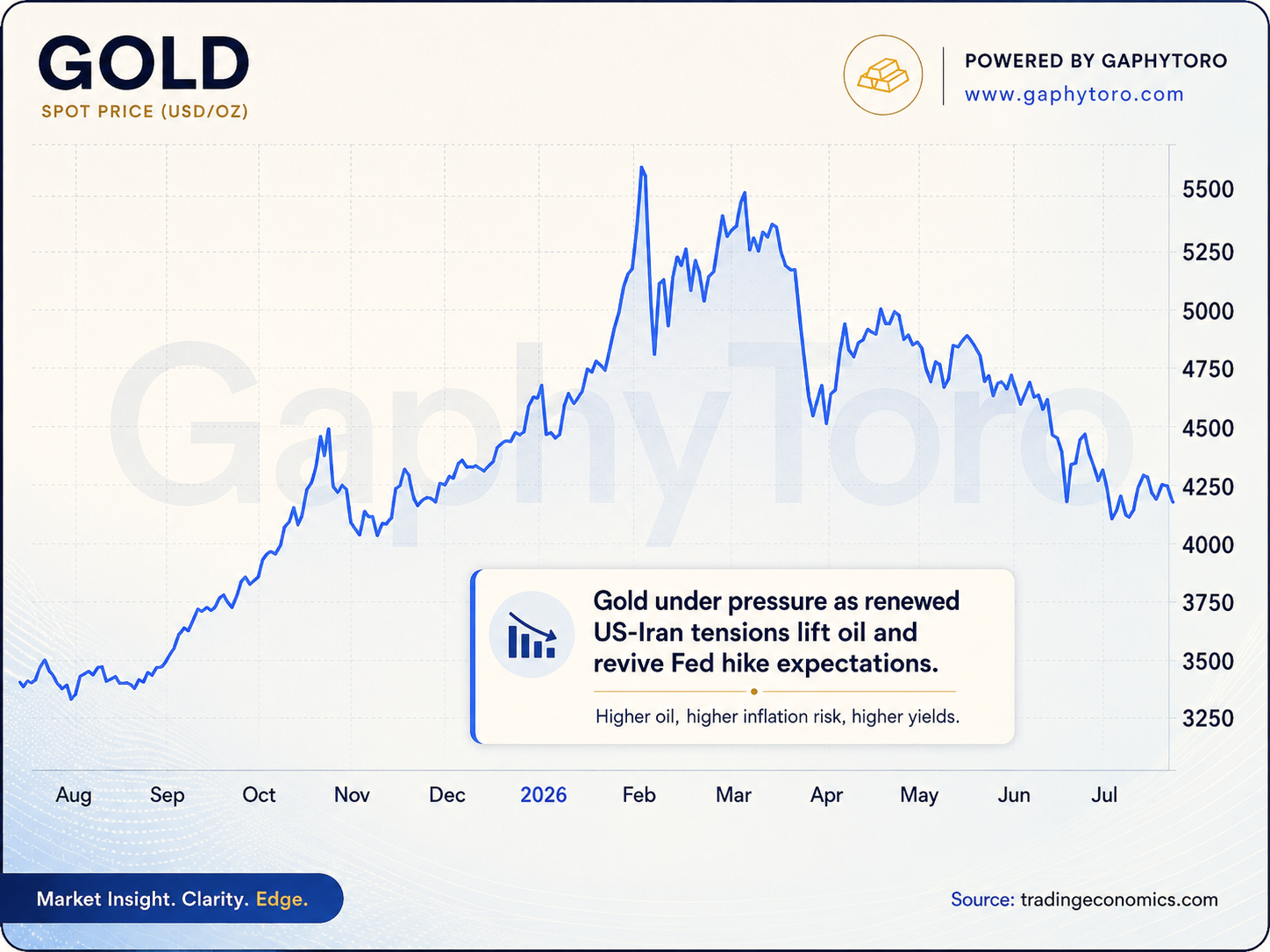
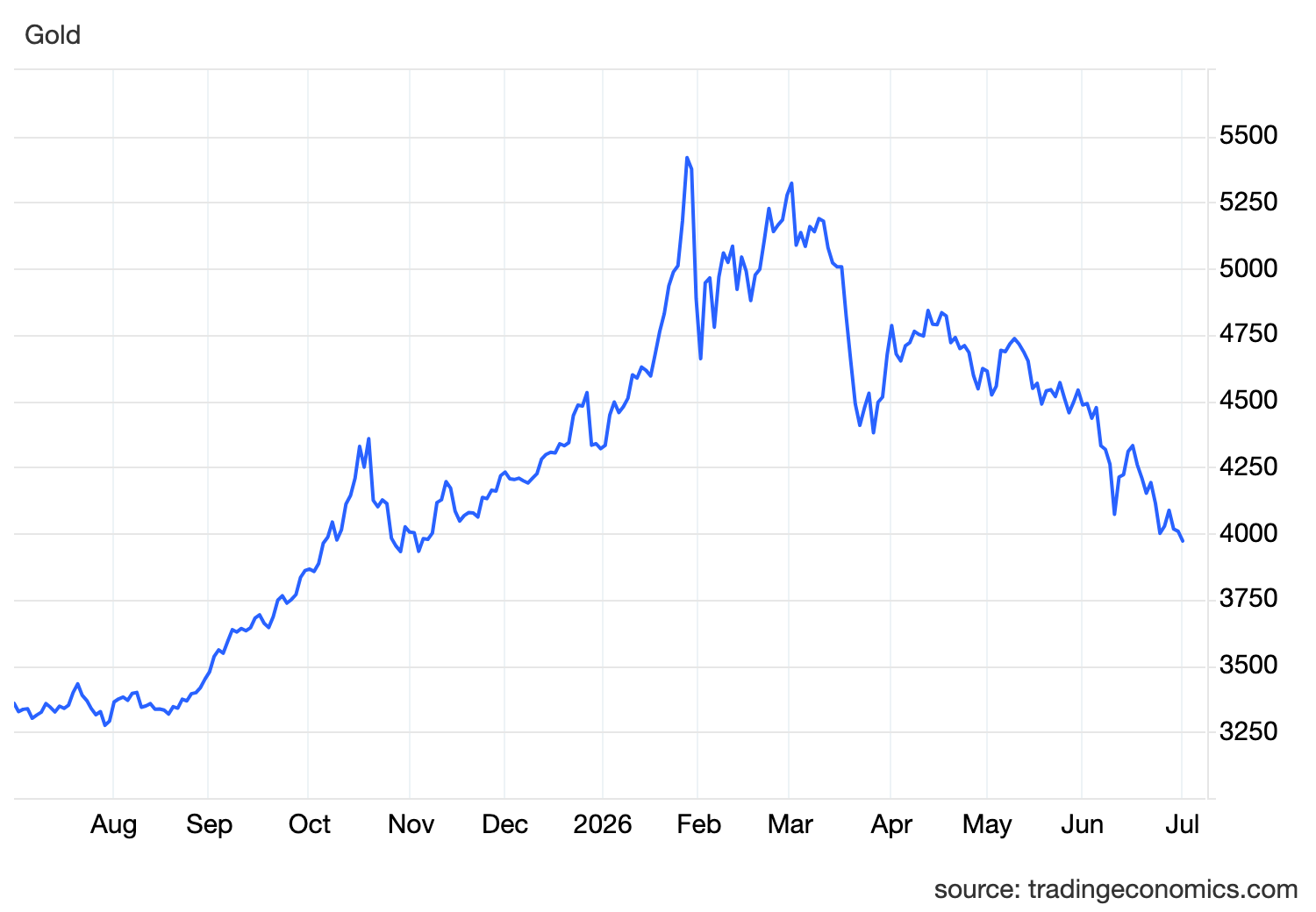
For gold, this setup is difficult.
The conflict can create safe-haven demand, but the inflation channel is still working against bullion. Higher oil lifts inflation expectations, inflation lifts yields, and higher yields increase the opportunity cost of holding gold. That is why gold has struggled even when geopolitical headlines look supportive.
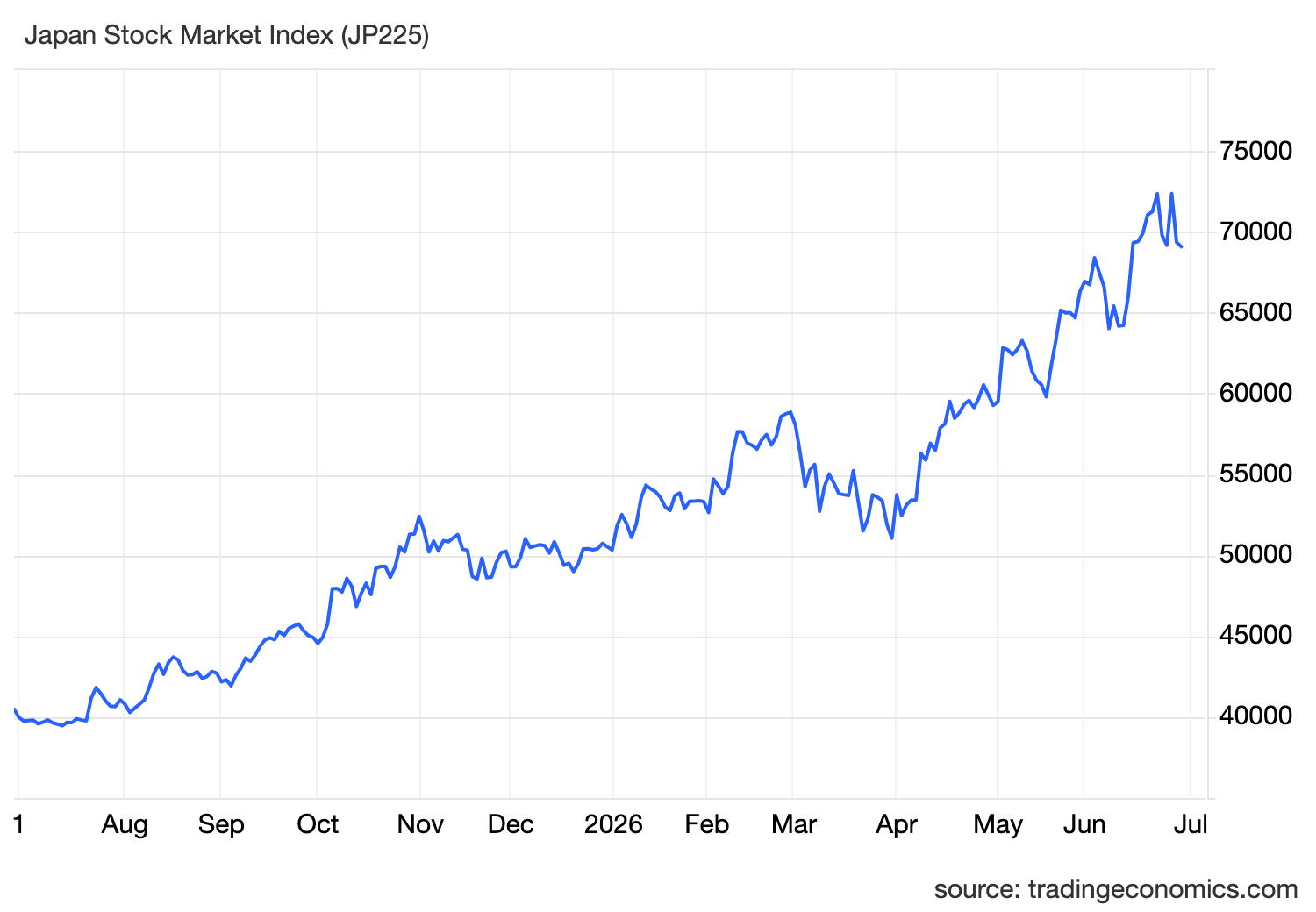
For risk assets, the message is also heavy.
Higher yields tighten financial conditions. Higher oil raises costs for companies and consumers. A Fed that cannot cut removes one of the market’s biggest support systems.
So the current picture is clear.
The dollar is not rising because the market is calm.
It is rising because inflation risk is forcing the Fed path higher.
The Iran war is keeping oil elevated.
Oil is feeding CPI and PPI.
CPI and PPI are lifting yields.
Higher yields are pricing out cuts and reviving hike risk.
And that is why the dollar just hit a six-week high.
Filed under
Written by

Founder & CEO, GaphyToro
Philip Ogina is the Founder and CEO of GaphyToro, a trader-first performance ecosystem built to help modern traders improve through structure, discipline, data, and better execution. He is a trader, investor, market analyst, educator, and software builder focused on building tools and infrastructure for the next generation of traders.