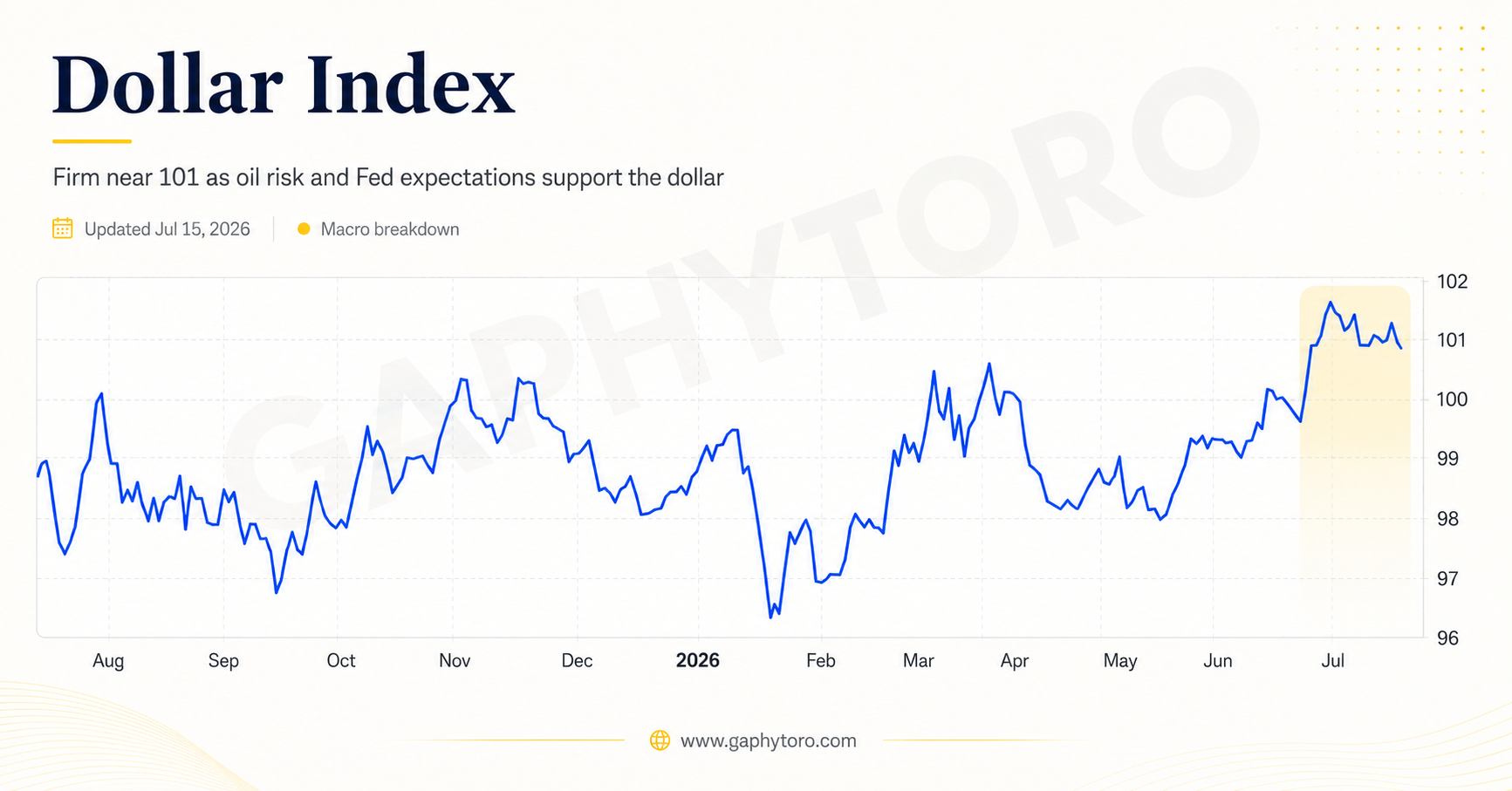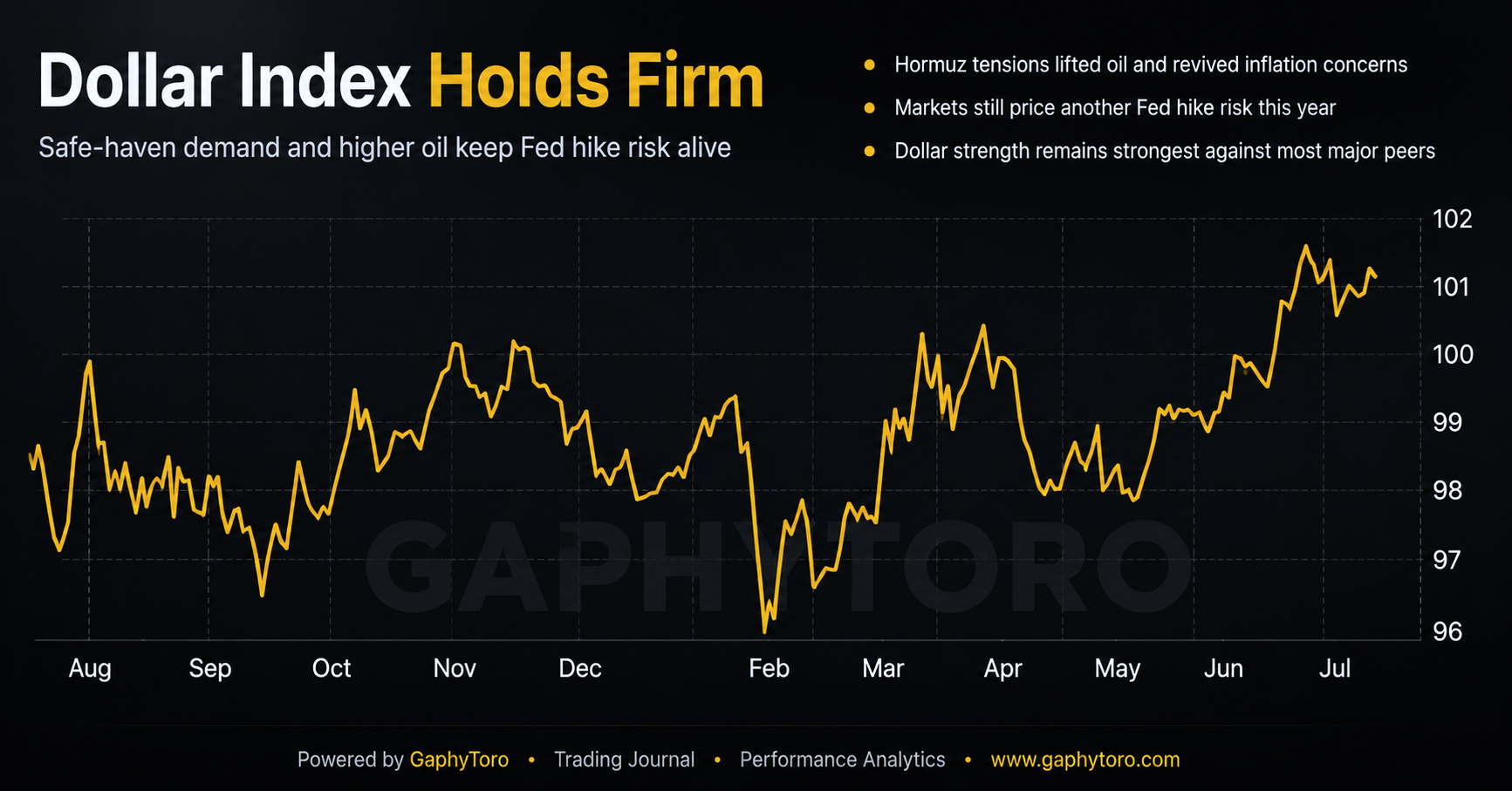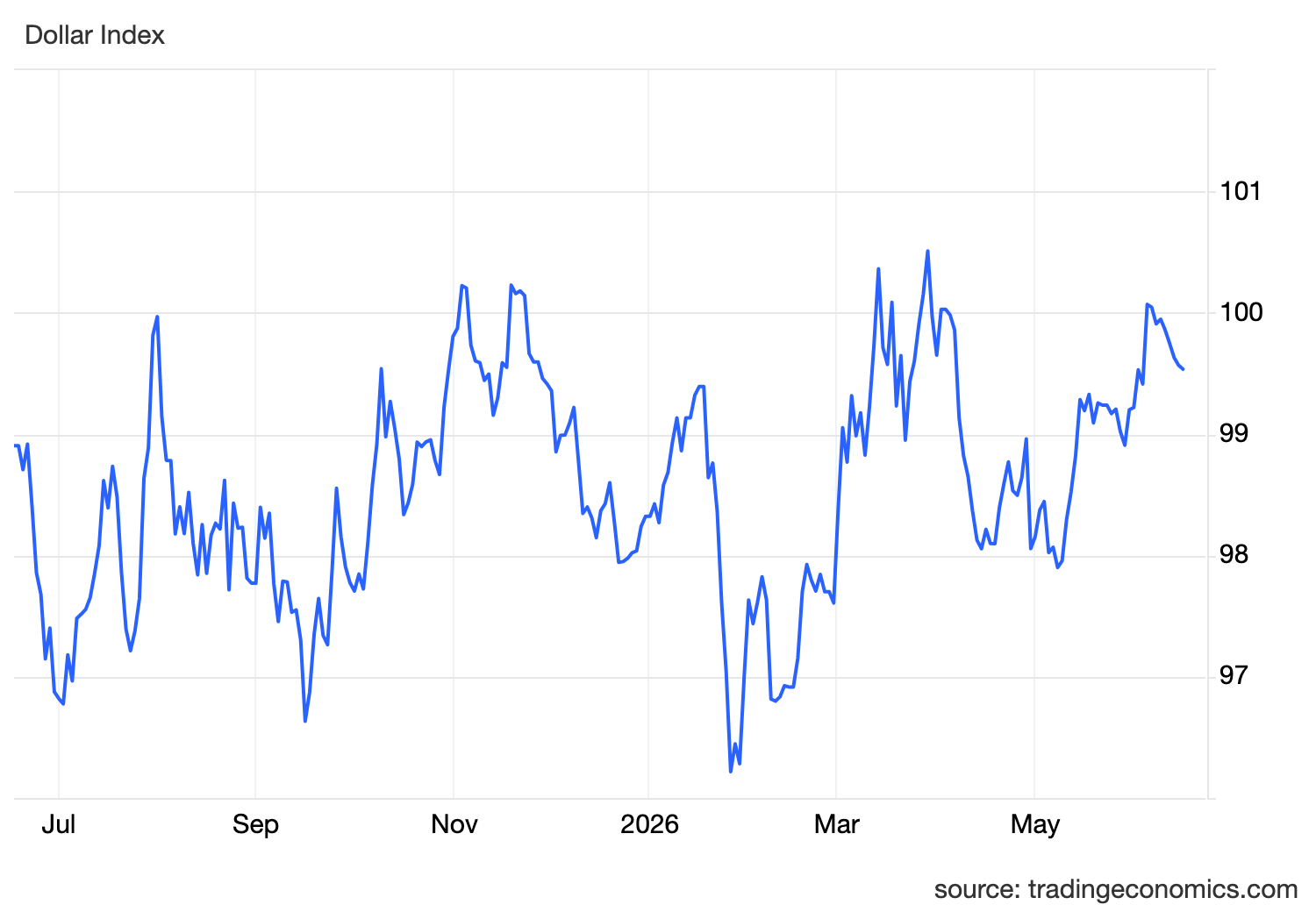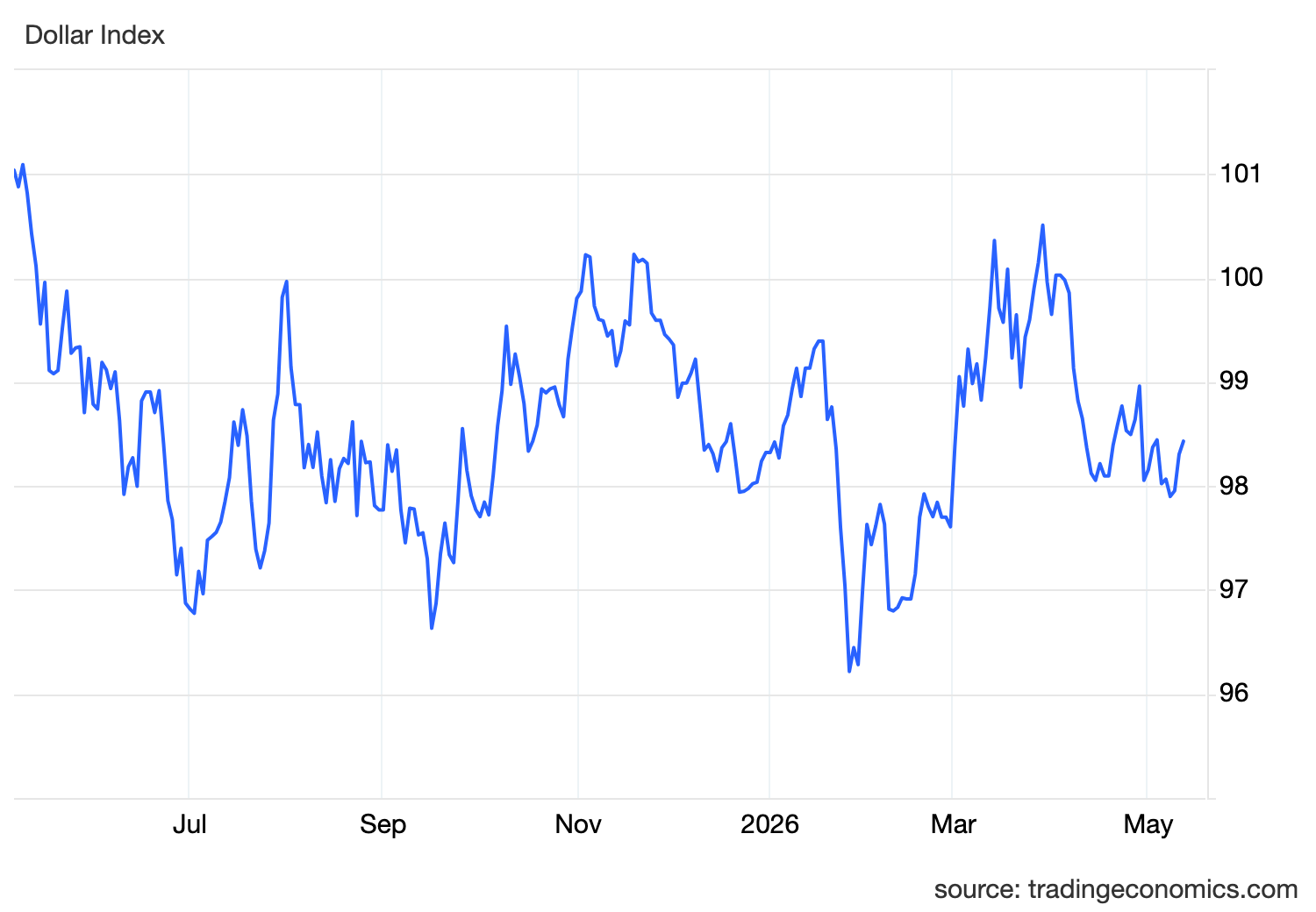
The dollar is holding firm because the inflation story is back in control.
US CPI came in stronger than expected, rising 3.8 percent in April against forecasts of 3.7 percent. That may look like a small miss, but in this environment it matters because the direction of travel is wrong.
Inflation is not cooling.
It is picking up again.
The main driver is energy. Oil prices remain elevated as diplomatic efforts to resolve the US-Iran conflict stall, keeping supply risks high and feeding directly into consumer prices.
That changes the Fed setup.
Before this, markets were still trying to hold onto the idea that rate cuts could return later in the year if growth slowed enough. That view is now fading quickly.
Markets have largely priced out Fed cuts for this year, while the probability of a quarter-point hike in December has climbed to around 35 percent.
That is the key shift.
The conversation is no longer about when the Fed cuts.
It is now about whether inflation forces the Fed to stay restrictive for even longer, or potentially tighten again.
That is why the dollar is supported.
Higher inflation keeps yields firm. Firm yields support the dollar. And when the US still offers attractive rates relative to other major economies, capital continues to find a home in dollars.
The dollar also has a geopolitical layer behind it.
The Iran conflict is still unresolved, oil remains elevated, and uncertainty around global supply routes keeps defensive demand alive. That gives the dollar support from both sides.
Rates and safety.
The next focus is producer inflation.
PPI matters because it will show whether the energy shock is moving deeper into the supply chain. If producer prices rise sharply, it suggests companies are facing higher input costs, which can later feed into consumer prices.
That would make the Fed’s problem worse.
It would also strengthen the case for higher yields and a firmer dollar.
The upcoming meeting between President Trump and Chinese President Xi Jinping adds another layer, but for now trade talks are not the main driver. The bigger issue is inflation. Unless trade headlines directly affect growth, tariffs or supply chains, markets will stay focused on oil, CPI and Fed pricing.
For gold, this setup is difficult.
Hot inflation driven by oil can support safe-haven demand at the margin, but if the inflation shock lifts yields and strengthens the dollar, gold struggles. That is why gold has been volatile rather than cleanly bullish during the conflict.
For risk assets, the setup is also heavier.
Higher inflation reduces the probability of easier policy. Higher yields pressure valuations. Elevated energy costs pressure margins and consumers. That makes equity rallies more fragile unless earnings momentum is strong enough to offset the macro drag.
So the full picture is clear.
Oil is keeping inflation alive.
CPI confirmed the pressure is reaching the consumer.
The Fed has less room to cut.
Hike risk is creeping back.
And the dollar is holding firm because the market is repricing policy tighter again.
Filed under
Written by

Founder & CEO, GaphyToro
Philip Ogina is the Founder and CEO of GaphyToro, a trader-first performance ecosystem built to help modern traders improve through structure, discipline, data, and better execution. He is a trader, investor, market analyst, educator, and software builder focused on building tools and infrastructure for the next generation of traders.