Gold is rising, but the move is not straightforward.
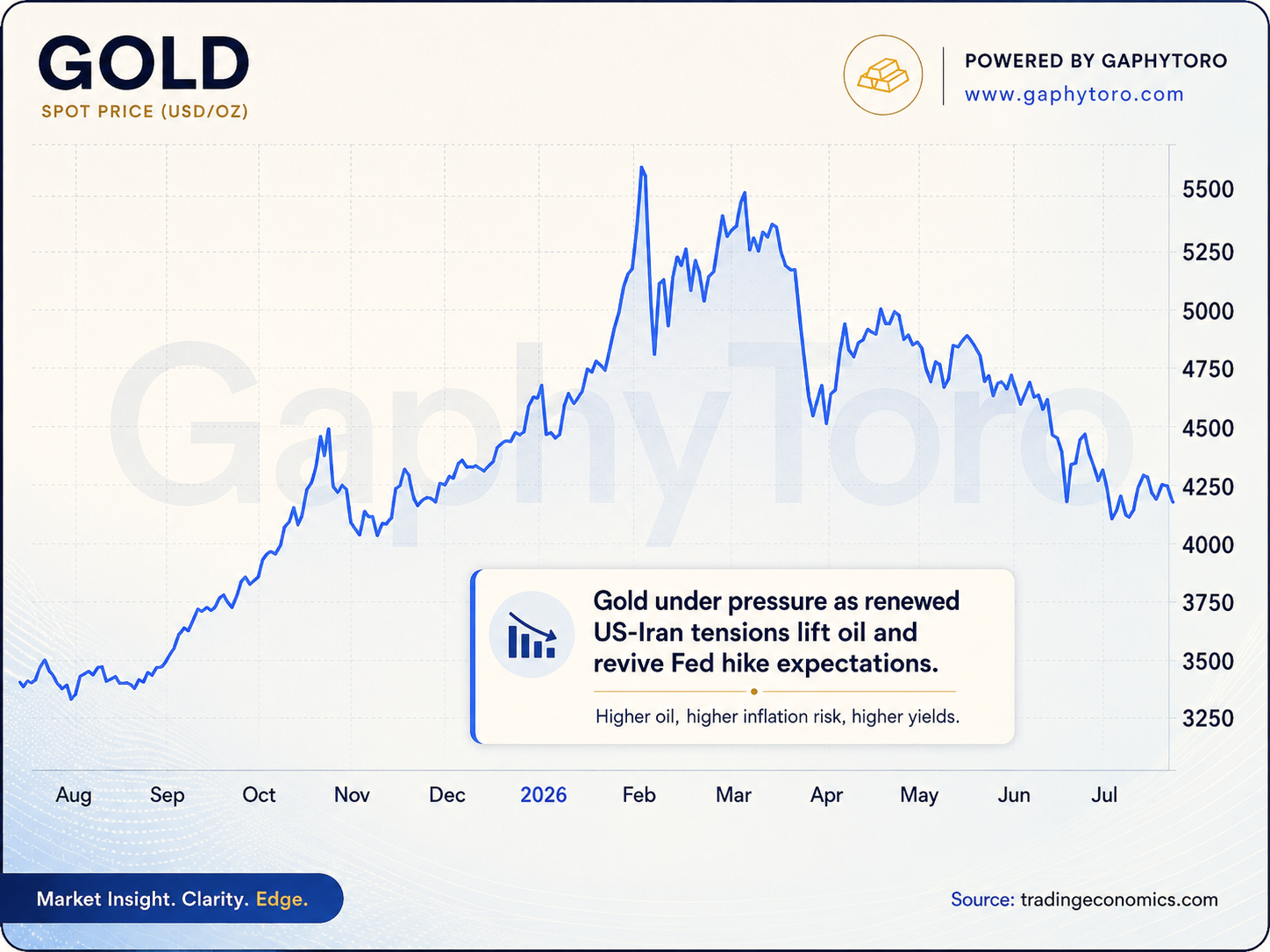
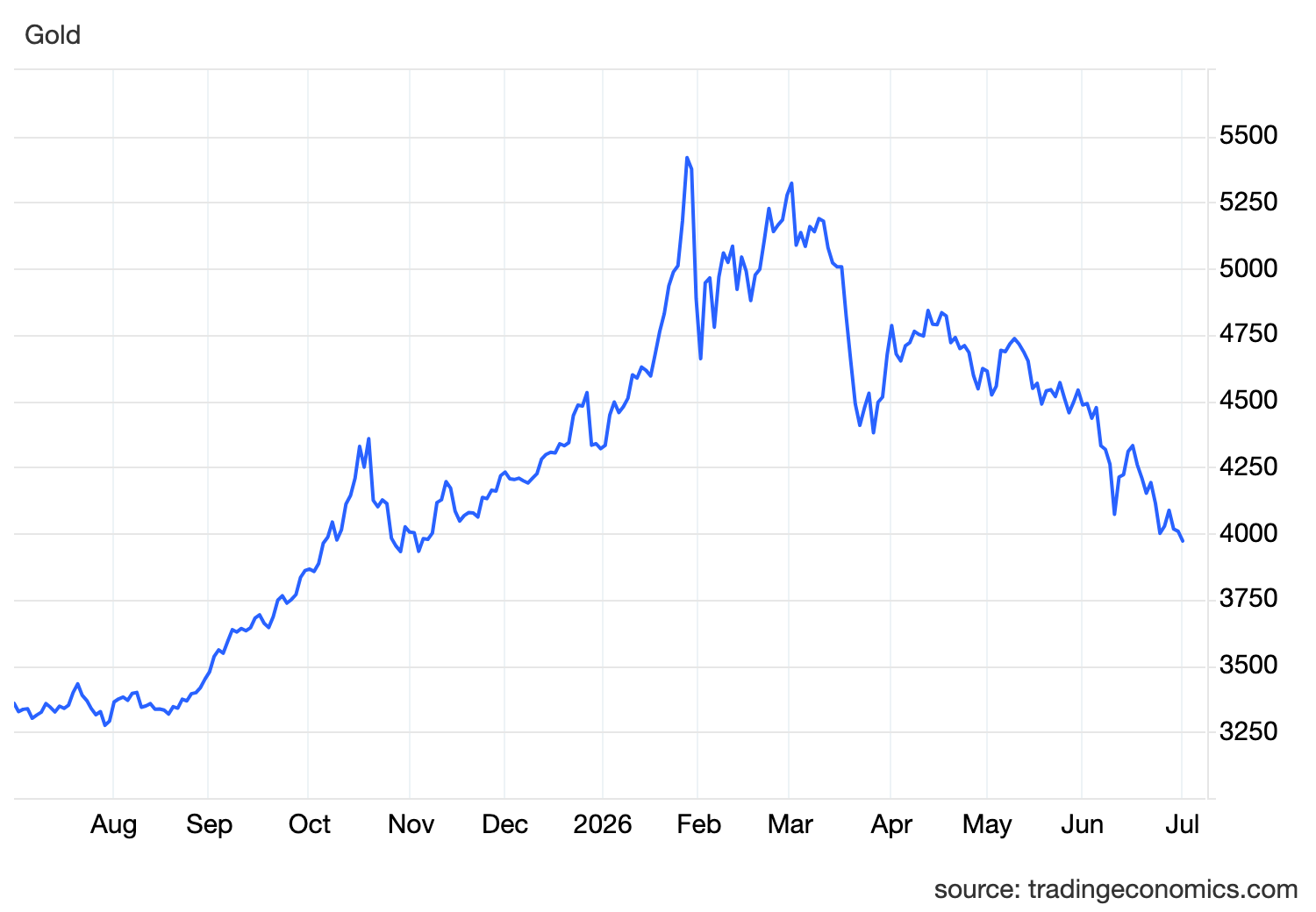
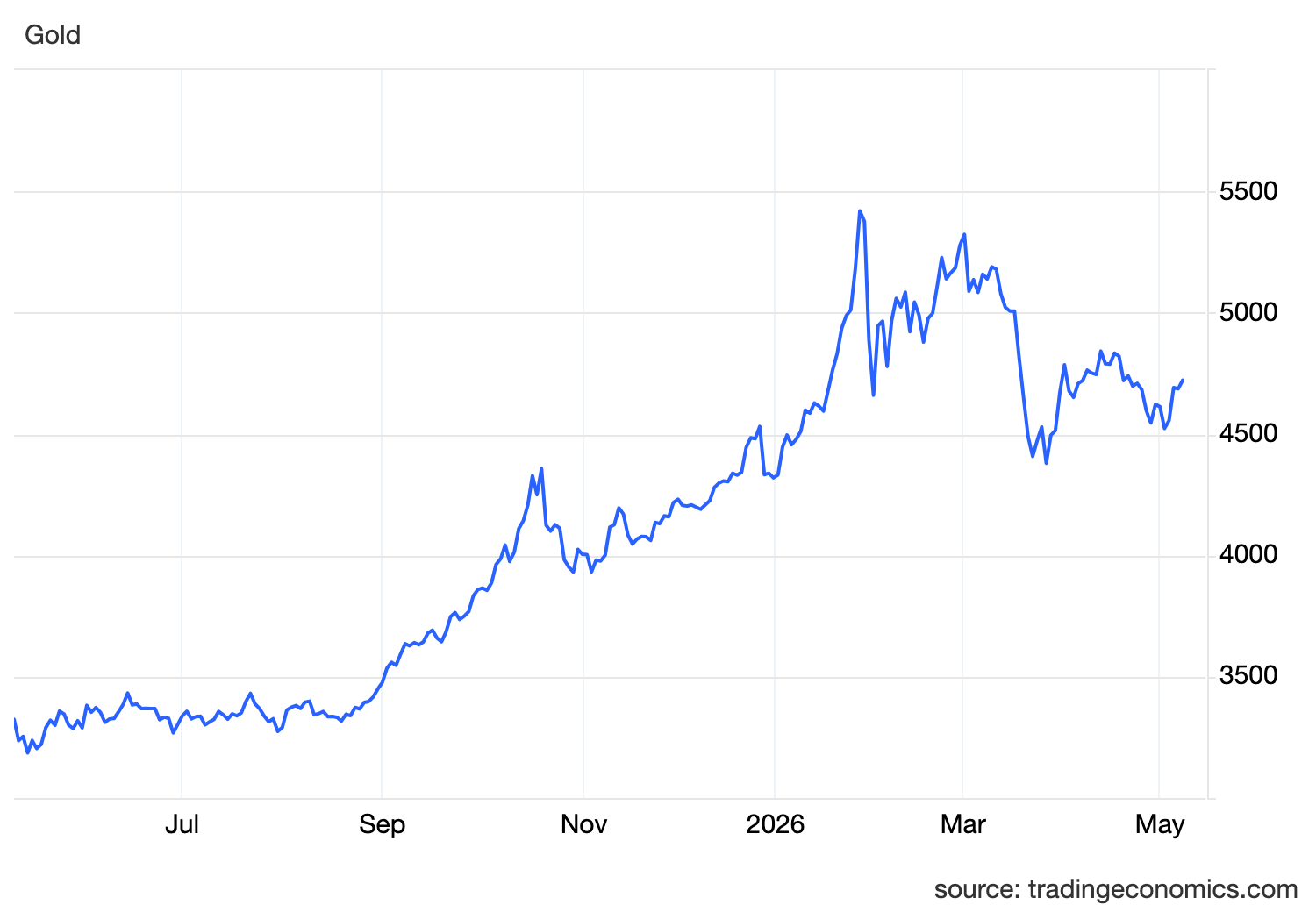
The metal pushed back above 4700 after sharp volatility, even as the macro backdrop remains difficult. Under normal conditions, the latest escalation between the US and Iran should be weighing on gold, not supporting it.
That is because this conflict is no longer just a safe-haven story.
It is an inflation story.
US forces intercepted Iranian attacks and launched defensive strikes while guided missile destroyers moved through the Strait of Hormuz. At the same time, Washington is still waiting for Iran’s response to a proposal aimed at reopening the strait and ending the nearly ten-week conflict.
That keeps markets stuck between two outcomes.
A deal could reopen Hormuz, ease oil prices and reduce inflation pressure.
No deal could keep energy prices elevated and deepen the inflation shock.
This is why the gold reaction matters.
Gold rose because uncertainty is high and traders are unwilling to ignore the risk of further escalation. That brings some defensive demand back into the metal.
But the broader pressure has not disappeared.
The effective closure of the Strait of Hormuz has already driven a historic surge in energy prices. Higher oil feeds into inflation expectations. Higher inflation expectations keep bond yields supported. Higher yields increase the opportunity cost of holding gold.
That is why gold is still down more than ten percent since the conflict began.
The market has repeatedly shown that this war is not automatically bullish for gold. When the conflict pushes oil higher, the rates channel dominates.
That puts central banks in a difficult position.
If energy prices remain elevated, the Federal Reserve and other central banks cannot ease comfortably. They may need to keep policy restrictive for longer, and in a more extreme case, markets may continue pricing the possibility of rate hikes.
That is bearish for gold.
So the current move should be seen as a defensive bounce, not a clean bullish reversal.
Gold is rising because traders are hedging uncertainty ahead of Iran’s response. But the same geopolitical risk that is supporting gold in the short term is also keeping oil, inflation and yields elevated.
That is the contradiction.
Fear is helping gold.
Rates are limiting gold.
The next move depends on Iran’s response.
If Iran moves toward reopening Hormuz, oil could fall, inflation pressure could ease and gold may get a cleaner rally through lower yields.
If talks fail and the conflict escalates, oil may rise again, central banks remain constrained and gold could come back under pressure despite the geopolitical risk.
The key takeaway is simple.
Gold rose, but not because the macro backdrop is bullish.
Gold rose because uncertainty is high.
The bigger trend still depends on oil, inflation and yields.
Filed under
Written by

Founder & CEO, GaphyToro
Philip Ogina is the Founder and CEO of GaphyToro, a trader-first performance ecosystem built to help modern traders improve through structure, discipline, data, and better execution. He is a trader, investor, market analyst, educator, and software builder focused on building tools and infrastructure for the next generation of traders.