Oil is pausing, but the risk is not fading.
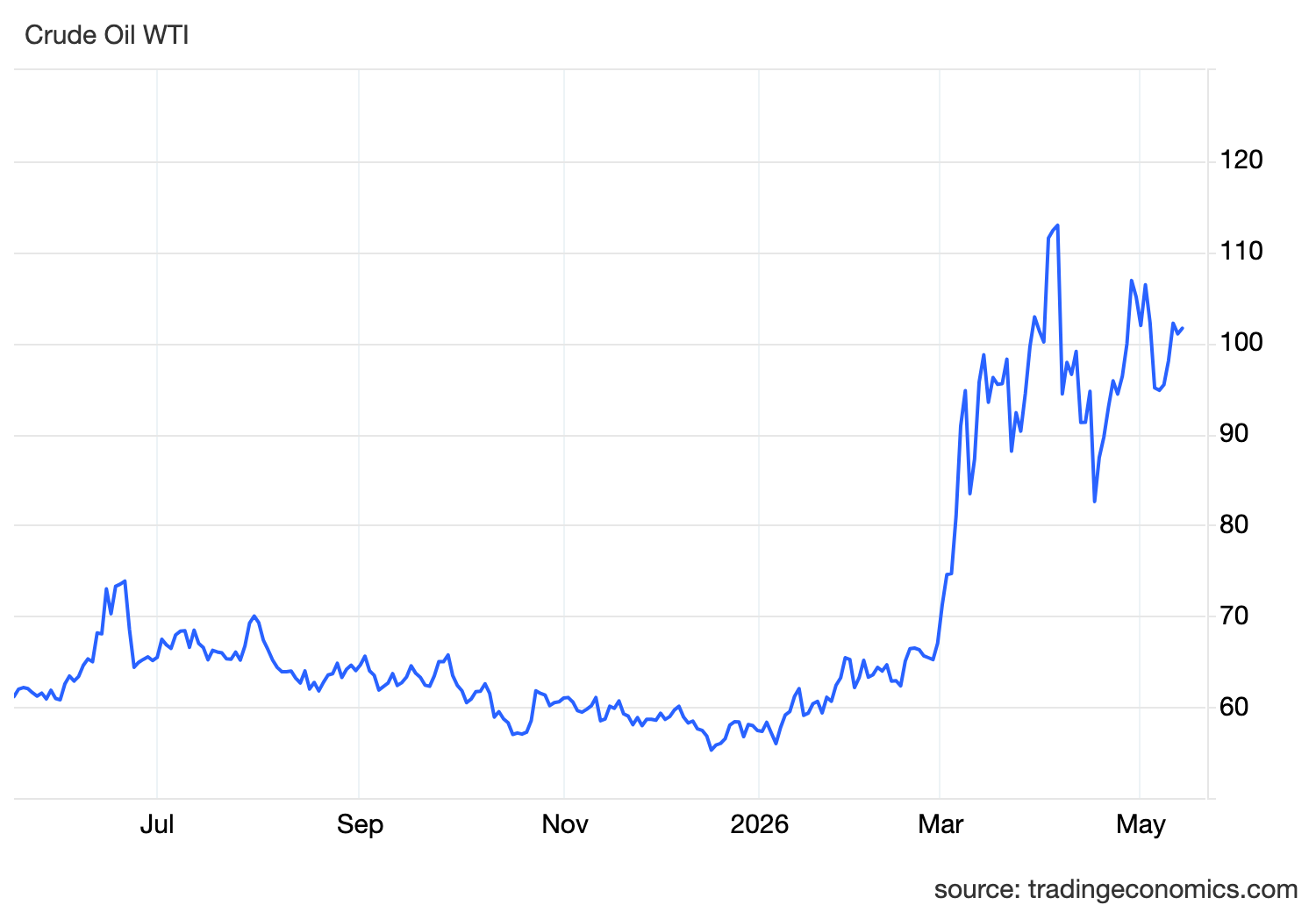
WTI is holding around 101 after its recent advance, as traders shift focus to the upcoming meeting between President Donald Trump and President Xi Jinping. The meeting is expected to focus more on trade than the Iran war, which has taken some immediate geopolitical heat out of crude pricing.
But this is not a bearish oil setup.
It is a market waiting for the next catalyst.
The bigger issue is that physical supply conditions remain tight. The Strait of Hormuz is still the centre of the problem. US data showed crude oil and fuel flows through the strait fell by nearly 6 million barrels per day in the first quarter after the Middle East conflict began.
That is not a small disruption.
That is a global supply shock.
The International Energy Agency also warned that the oil market could remain heavily undersupplied until October, even if the conflict ends next month. That matters because it means the damage is not instantly reversible.
Shipping routes, inventories, insurance costs, refinery planning and crude availability do not normalize overnight.
So even if diplomacy improves, the oil market may still remain tight for months.
Saudi Arabia adds another layer.
Its output has reportedly fallen to the lowest level since 1990. In a normal market, spare capacity from major producers can help soften a supply shock. But if Saudi output is already deeply constrained, the market has less cushion.
That keeps oil supported.
The China angle is also important.
China is the largest importer of Iranian crude, and Washington is now increasing pressure through fresh sanctions and threats against banks linked to Iranian oil sales. That means the Trump-Xi meeting is not just about trade in isolation.
It also connects directly to oil flows.
If the US pushes harder on Iranian exports to China, supply available to the global market tightens further. If China resists, trade tensions could rise. If both sides find a compromise, some pressure may ease.
That is why traders are waiting.
The market needs to know whether this meeting reduces tension or opens a new pressure point.
For inflation, the implications are clear.
Oil near 101 keeps energy costs high. If supply remains tight into October, inflation pressure becomes harder to treat as temporary. That keeps central banks cautious.
The Federal Reserve is already dealing with hotter CPI and fading rate-cut expectations. A sustained oil shock makes that problem worse. It keeps yields supported and makes it harder for policymakers to shift toward easing.
That supports the dollar.
Higher oil can hurt growth, but if it also keeps inflation elevated, the Fed has less room to cut. That keeps US yields firm and gives the dollar a base.
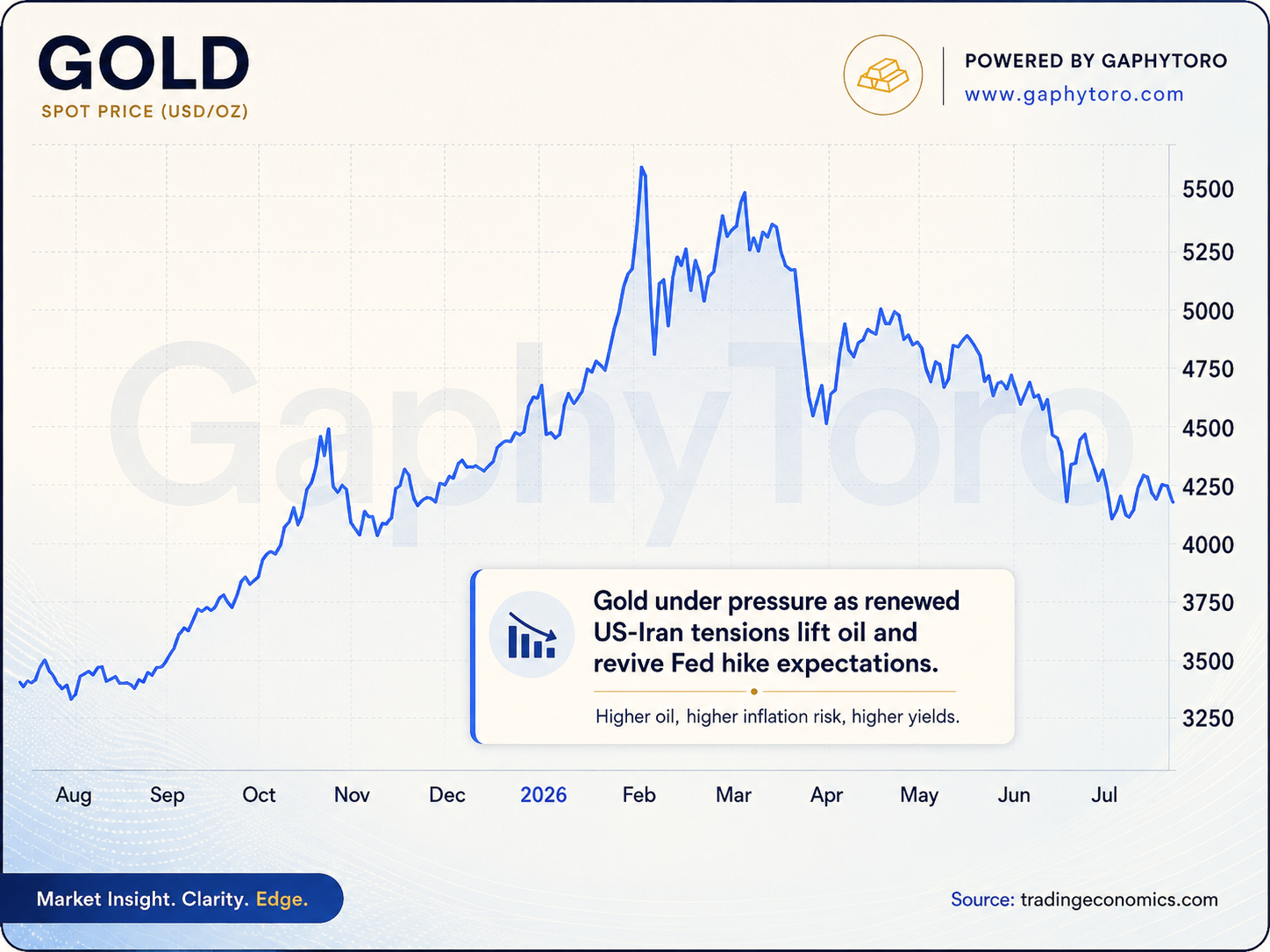
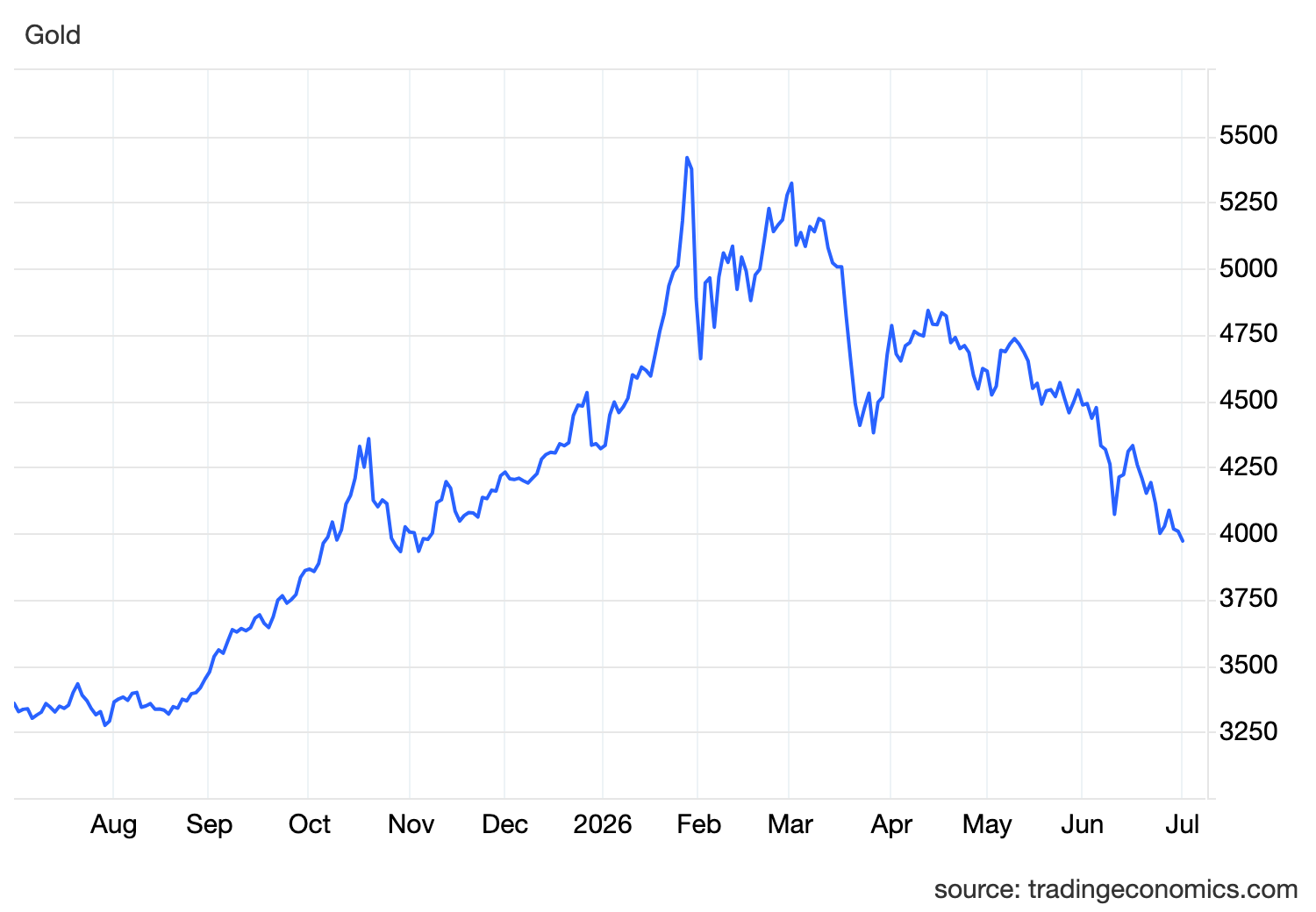
Gold remains caught in the middle.
Geopolitical risk and inflation uncertainty can support gold, but higher yields and a stronger dollar cap the upside. That is why gold has not traded like a simple safe haven during this conflict.
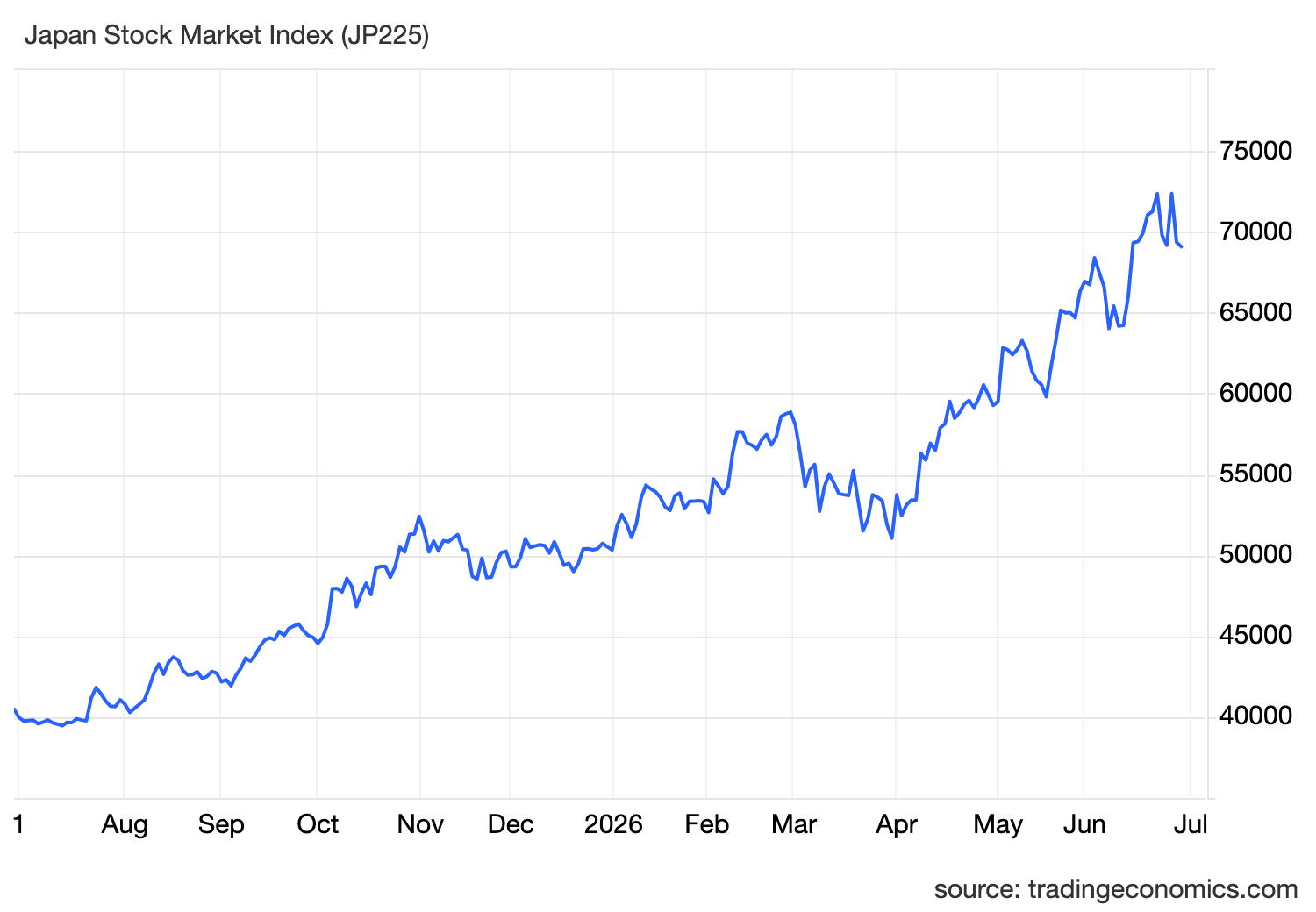
Risk assets face the same tension.
If Trump-Xi talks calm trade risks, equities can benefit. But if oil stays elevated, companies still face higher costs, consumers face pressure and central banks remain restrictive.
So the current picture is simple.
Oil is steady because traders are waiting on Trump and Xi.
But the supply backdrop is still tight.
Hormuz flows are down sharply. Sanctions pressure is rising. Saudi output is low. And the IEA sees the market undersupplied even if the conflict ends soon.
This is not oil cooling down.
This is oil holding its ground before the next move.
Filed under
Written by

Founder & CEO, GaphyToro
Philip Ogina is the Founder and CEO of GaphyToro, a trader-first performance ecosystem built to help modern traders improve through structure, discipline, data, and better execution. He is a trader, investor, market analyst, educator, and software builder focused on building tools and infrastructure for the next generation of traders.