Oil is falling because markets are pricing a pause in escalation, not an end to the supply crisis.
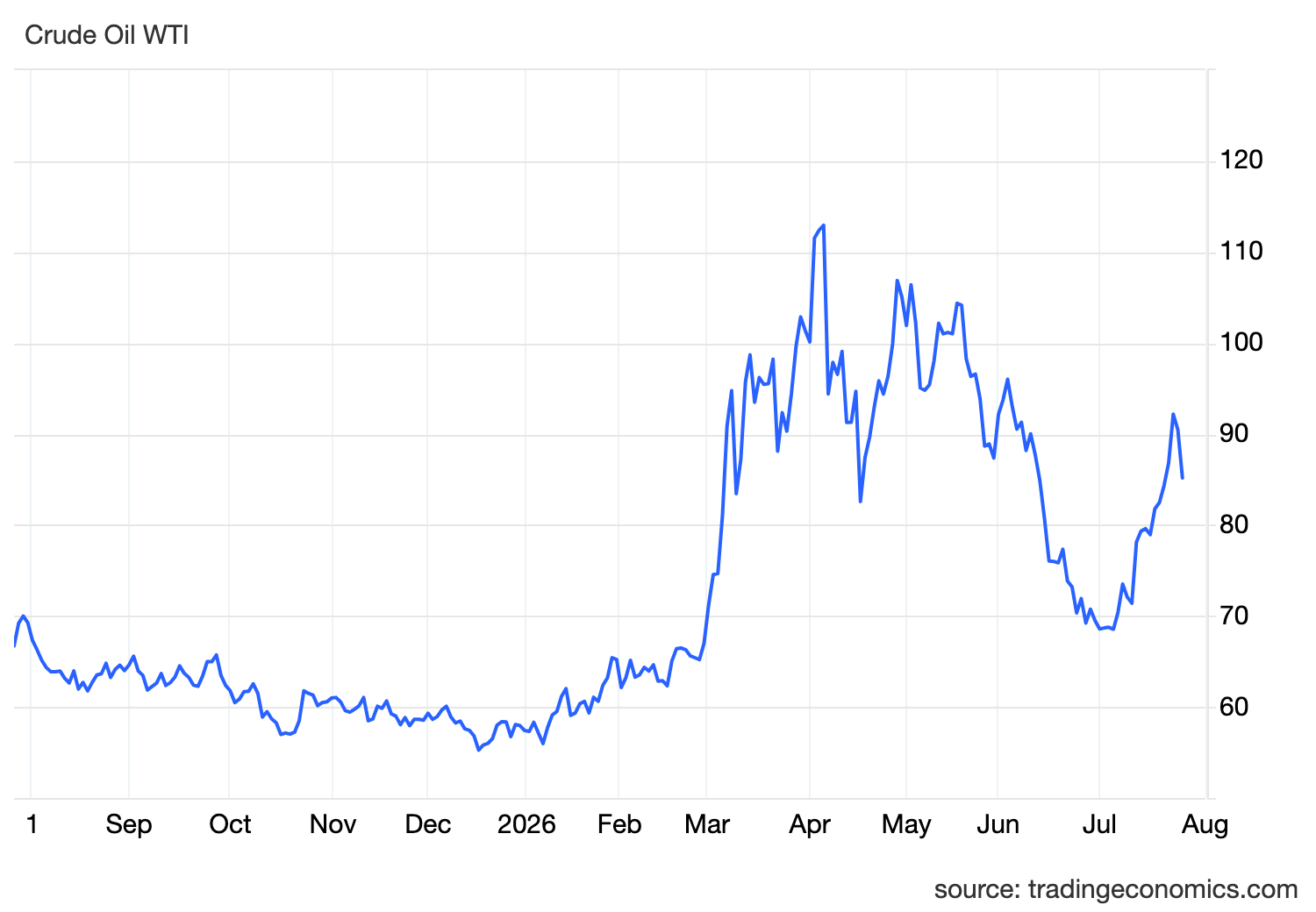
WTI crude briefly moved toward $83 per barrel before recovering to around $85 after the United States and Iran halted direct attacks against each other over the weekend. President Donald Trump was reportedly open to renewed negotiations, while Tehran said it had suspended retaliatory strikes and engaged Oman in discussions concerning the Strait of Hormuz.
The immediate reaction was lower oil.
That makes sense.
A pause in direct US-Iran hostilities reduces the near-term probability of attacks on Iranian export infrastructure, additional blockades, or further disruption to vessels moving through the Persian Gulf. It also creates space for mediators to rebuild a diplomatic process that had largely collapsed during the recent escalation.
But the decline should not yet be interpreted as a complete reversal of the oil rally.
The direct conflict may have paused, but the wider regional energy threat remains active.
Iran-backed Houthi forces claimed responsibility for attacks on facilities associated with Saudi Aramco at the Red Sea ports of Jizan and Yanbu. Those locations have become increasingly important because Saudi Arabia has relied on its East-West Pipeline and Red Sea export infrastructure to reduce dependence on the Strait of Hormuz.
This means the market is still dealing with risk across two separate energy corridors.
Hormuz remains the principal outlet for crude and liquefied natural gas leaving the Persian Gulf.
The Red Sea has become an increasingly important alternative route, particularly for Saudi oil moved across the country by pipeline.
If conditions improve around Hormuz but deteriorate in the Red Sea, the global supply problem is reduced, not eliminated.
That distinction explains why oil recovered from its initial decline.
The market welcomed the pause between Washington and Tehran, but traders were not prepared to remove the entire geopolitical premium while Saudi export facilities and alternative shipping routes remained exposed to attack.
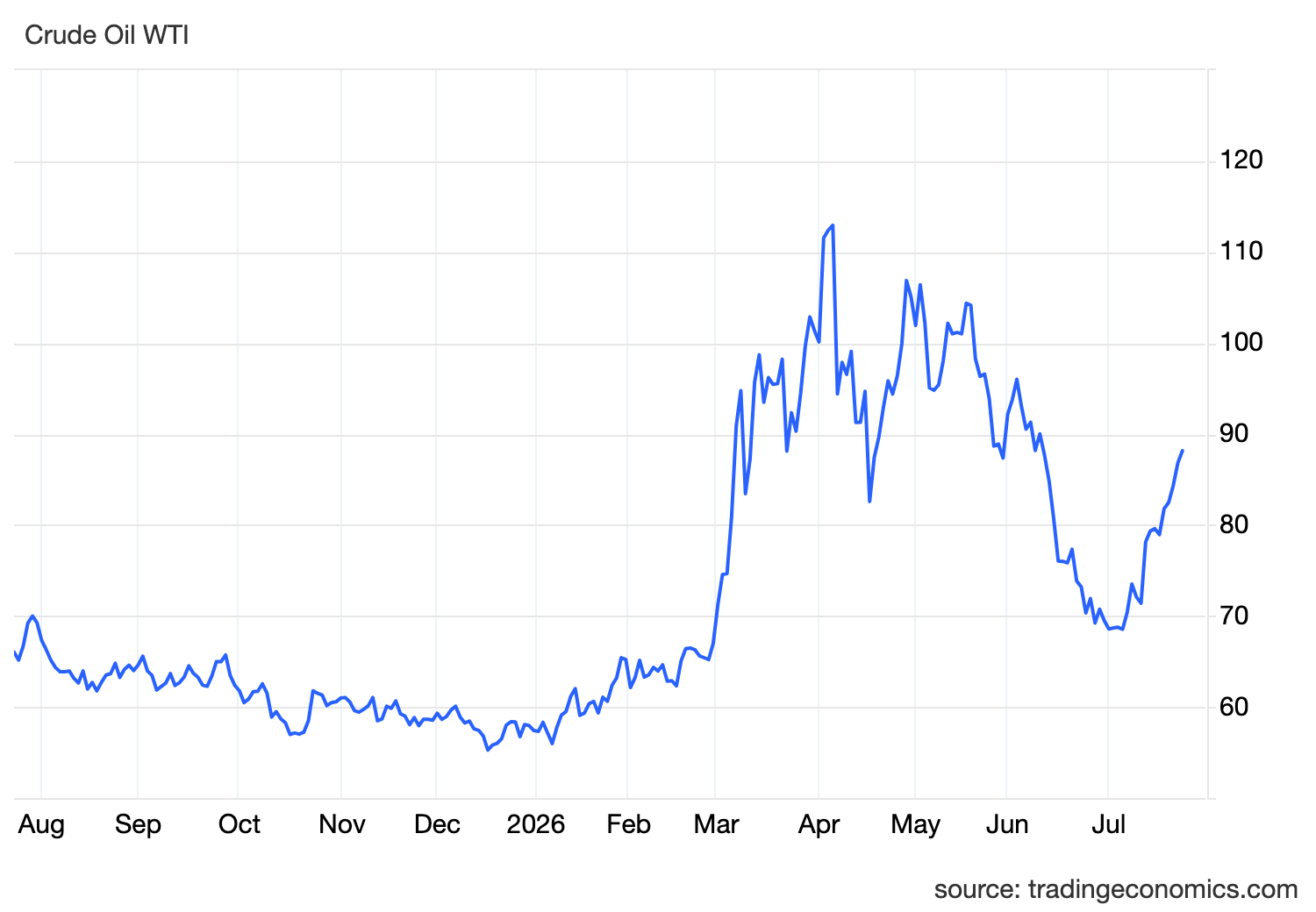
Oil has risen nearly 40% this month.
A move of that size reflects more than temporary speculation. It shows that the market has already experienced a major repricing of deliverable supply, shipping security and the probability of prolonged regional disruption.
The recent decline toward $83 therefore represents a partial unwinding of extreme risk, not a return to normal conditions.
For oil to fall sustainably toward pre-escalation levels, markets would need evidence of progress across several areas.
Direct US-Iran negotiations would need to resume.
Shipping through Hormuz would need to recover consistently.
Houthi attacks on Saudi vessels and infrastructure would need to stop.
Insurance and freight costs would need to decline.
And regional producers would need confidence that ports, pipelines and tankers could operate without repeated interruption.
Until those conditions improve, oil is likely to retain a meaningful geopolitical premium.
This is especially important because the current disruption is not simply about production.
Saudi Arabia and other OPEC+ members may have additional barrels available, but higher production cannot fully solve the problem when transport capacity, vessel security and commercial risk appetite become the binding constraints.
Oil must be delivered, not merely produced.
If tankers avoid a route, insurers withdraw coverage or port facilities become vulnerable, effective supply can tighten even when physical output remains available.
The diplomatic pause is still significant.
It lowers the probability of a rapid move back above recent highs and creates the possibility that some disrupted energy flows can recover. It may also prevent the conflict from spreading further into Iranian ports, Gulf infrastructure and regional US military facilities.
However, the absence of an official announcement from Washington shows how fragile the pause remains.
This is not yet a formal ceasefire with agreed enforcement, monitoring and consequences for violations. It appears closer to a temporary suspension designed to give diplomacy room.
That leaves the market highly sensitive to political statements and military headlines.
A constructive message from Trump or Tehran could push oil lower.
Another attack on a tanker, port or military installation could reverse the decline within hours.
The macro consequences depend heavily on whether oil stabilises near current levels or resumes its advance.
At $85, crude remains significantly above the levels seen before the latest escalation. Even without another surge, sustained prices at this level can keep fuel, freight and manufacturing costs elevated.
That means the inflation risk has eased at the margin, but it has not disappeared.
The earlier rally has already increased the cost of transportation, aviation, food distribution, chemicals and other energy-intensive activities. Some of those costs will continue moving through the economy even if oil stops rising today.
This matters for the Federal Reserve.
Lower oil reduces the immediate urgency for tighter monetary policy. If diplomacy strengthens and crude continues retreating, markets may scale back expectations for additional rate hikes because the risk of another large energy-driven inflation spike would decline.
But the Fed cannot respond only to one session of lower oil.
Policymakers will need to assess whether the decline is durable and whether the previous energy surge is feeding into broader inflation expectations, services prices and business costs.
The pause therefore gives the Fed breathing room, not complete relief.
If oil continues falling and employment remains soft, the argument for another increase becomes weaker.
If crude rebounds and the conflict resumes, the Fed could once again face a difficult combination of slower job growth and higher inflation.
For the dollar, the signal is mixed.
Reduced US-Iran escalation can weaken safe-haven demand and lower expectations for aggressive Fed tightening. Both forces can pressure the currency.
However, oil remains high enough to keep inflation risk alive, while the United States is still less dependent on imported energy than many economies in Europe and Asia. That relative advantage can limit dollar weakness during a prolonged supply shock.
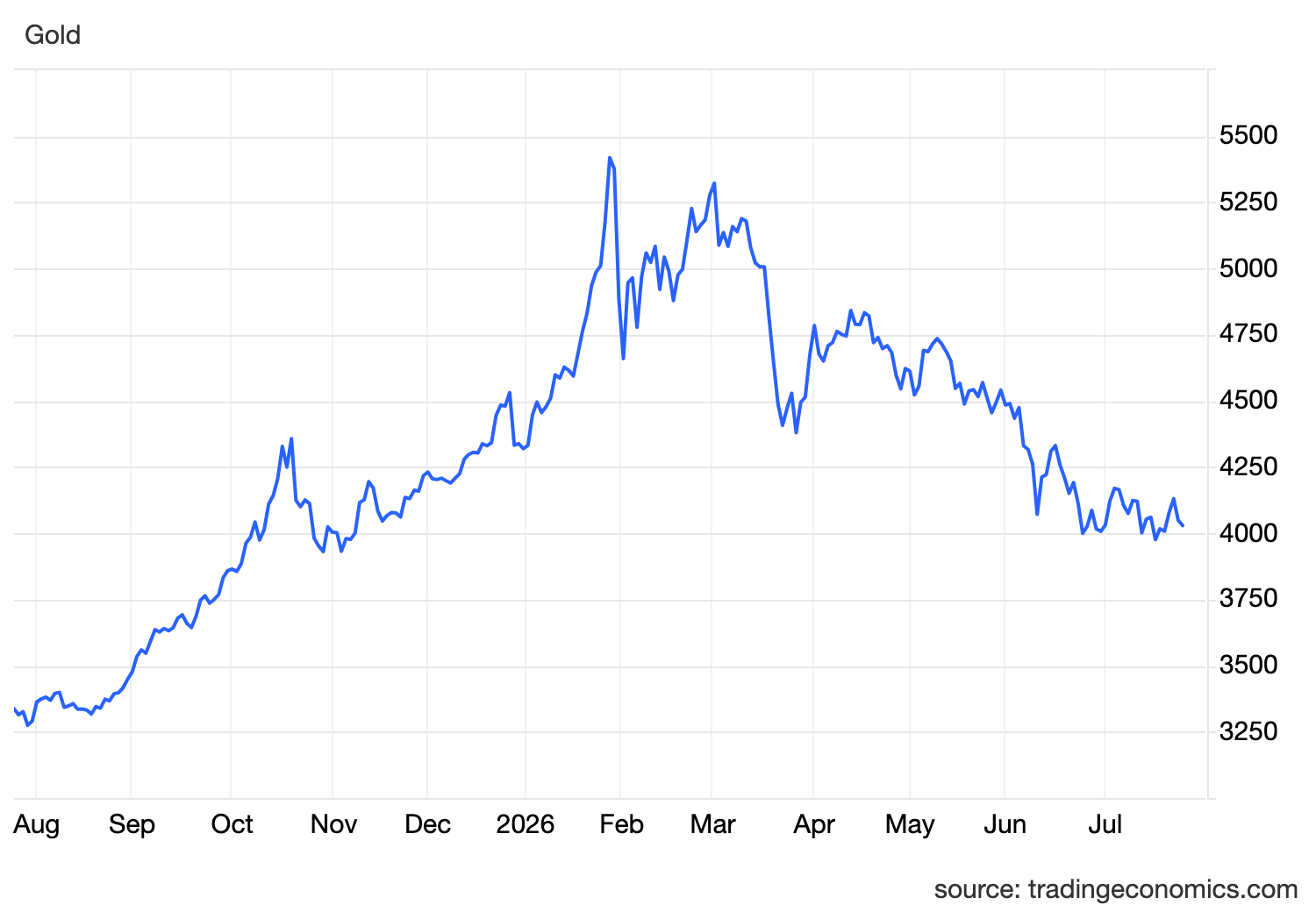
Gold also faces competing forces.
Lower oil can help bullion by reducing inflation pressure, Treasury yields and the probability of additional rate hikes.
At the same time, diplomatic progress reduces some of the geopolitical fear that traditionally supports safe-haven demand.
In the current environment, the rates effect may remain more important.
Gold has repeatedly struggled when conflict pushed oil and yields higher. A sustained decline in crude could therefore support bullion even if the immediate need for war protection fades.
Equities are likely to welcome the pause.
Lower oil reduces pressure on corporate margins, household spending and central-bank policy. Airlines, transport companies, manufacturers and consumer businesses would benefit if energy costs continue retreating.
But the relief remains fragile.
The Houthi attacks show that the conflict can continue through regional proxies even when Washington and Tehran stop striking one another directly.
That means the diplomatic process must address more than the bilateral US-Iran confrontation.
It must also reduce the wider threat to Saudi infrastructure, the Red Sea, Hormuz and regional commercial shipping.
Japan and other major energy importers remain particularly exposed.
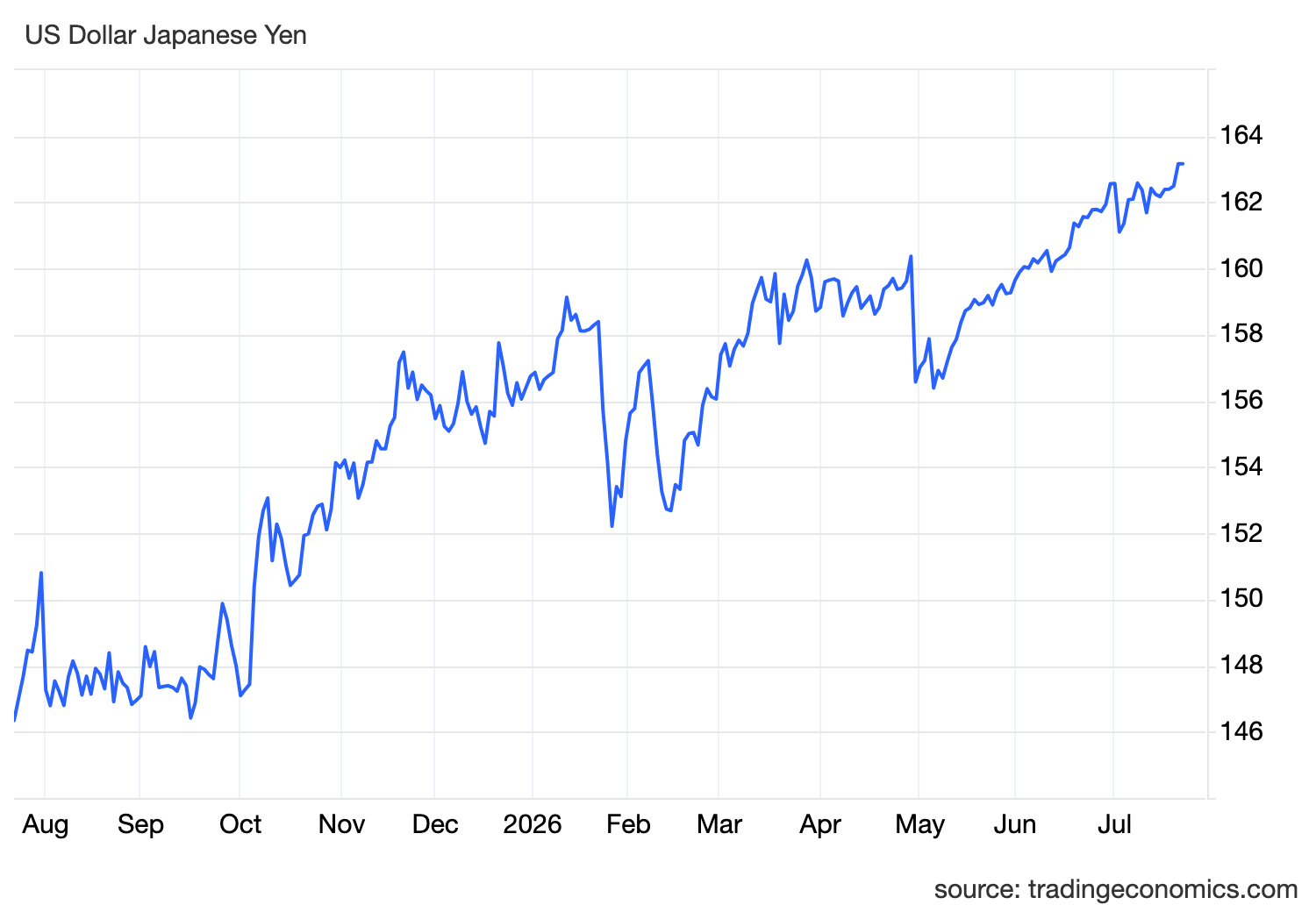
A fall from recent oil highs offers some relief, but crude around $85 is still expensive when combined with weak domestic currencies. For Japan, a fragile yen magnifies the local cost of every barrel purchased in dollars.
European and Asian economies also remain vulnerable to higher import bills, weaker trade balances and reduced household purchasing power.
The most important signal now will be whether commercial activity begins normalising.
Markets should watch actual tanker movements rather than political assurances alone.
They should also monitor war-risk insurance premiums, freight rates, port activity and the willingness of shipping companies to accept new bookings through Hormuz and the Red Sea.
If commercial operators return quickly, the geopolitical premium can continue fading.
If they remain cautious despite the pause in military strikes, it would suggest that the underlying supply problem remains unresolved.
The current oil setup is therefore balanced between two opposing forces.
Diplomacy is reducing the immediate probability of a wider US-Iran war.
Houthi attacks are preserving the threat to Saudi exports and Red Sea shipping.
The first force pushed crude lower.
The second prevented a deeper collapse.
The key macro chain is now changing.
A sustained pause in fighting could restore shipping confidence.
Improved shipping could increase deliverable supply.
More supply could push oil lower.
Lower oil could ease inflation expectations.
Lower inflation risk could reduce pressure for additional central-bank tightening.
But that chain remains vulnerable to reversal.
Another attack could raise insurance costs, tighten effective supply and send oil, inflation expectations and interest-rate bets higher again.
Oil is no longer trading only on how much crude the region can produce.
It is trading on whether the diplomatic pause is strong enough to make the region’s export network commercially usable again.
For now, the market sees progress.
It does not yet see peace.
Powered by GaphyToro
GaphyToro is a trading journal and trader-development platform designed to help traders document every trade, evaluate their execution, identify recurring performance patterns and strengthen discipline through structured data.
Record your decisions, review your results and turn your trading history into a measurable improvement process at www.gaphytoro.com.
Filed under
Written by

Founder & CEO, GaphyToro
Philip Ogina is the Founder and CEO of GaphyToro, a trader-first performance ecosystem built to help modern traders improve through structure, discipline, data, and better execution. He is a trader, investor, market analyst, educator, and software builder focused on building tools and infrastructure for the next generation of traders.