Gold is once again being pressured by the inflationary consequences of war.
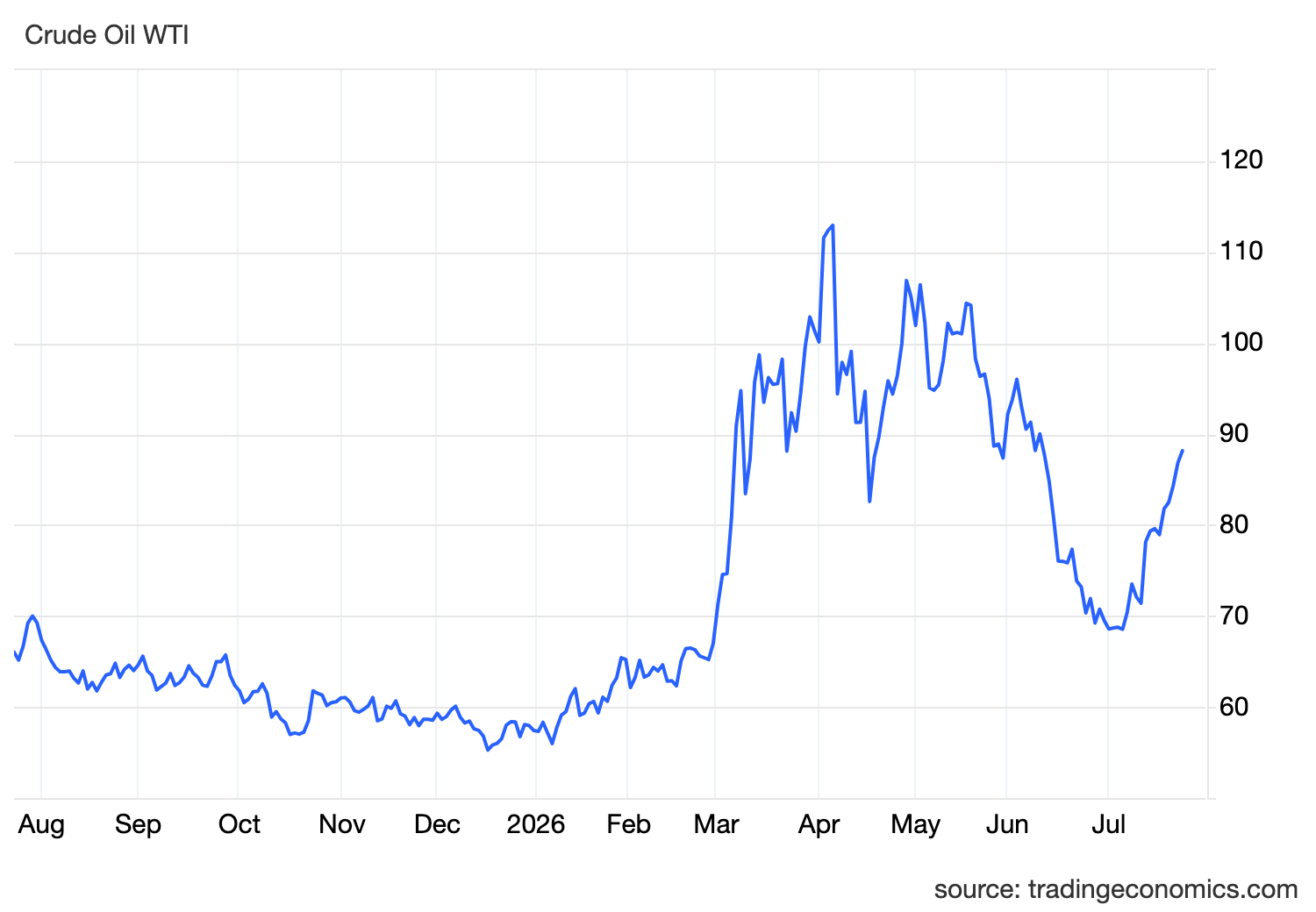
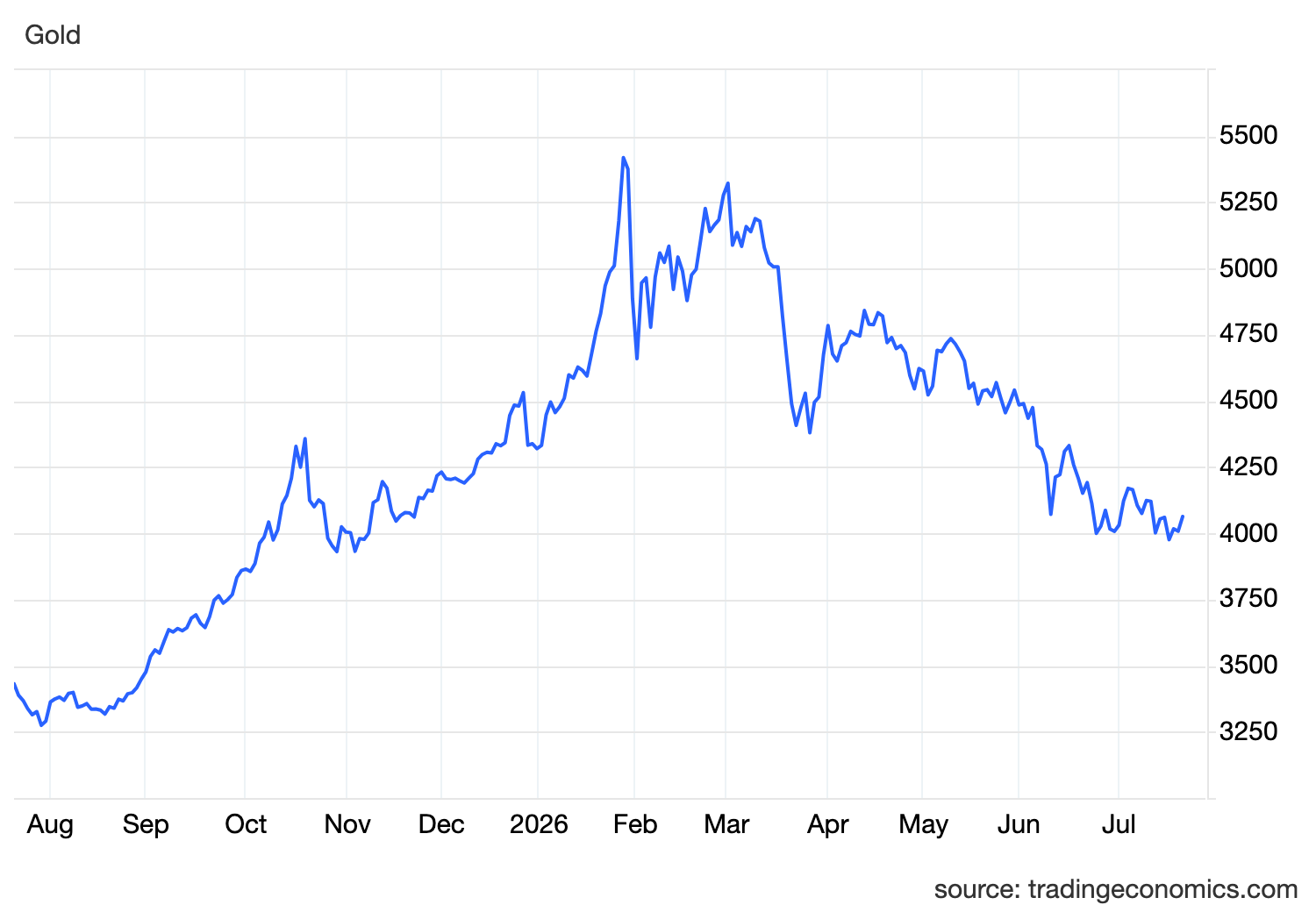
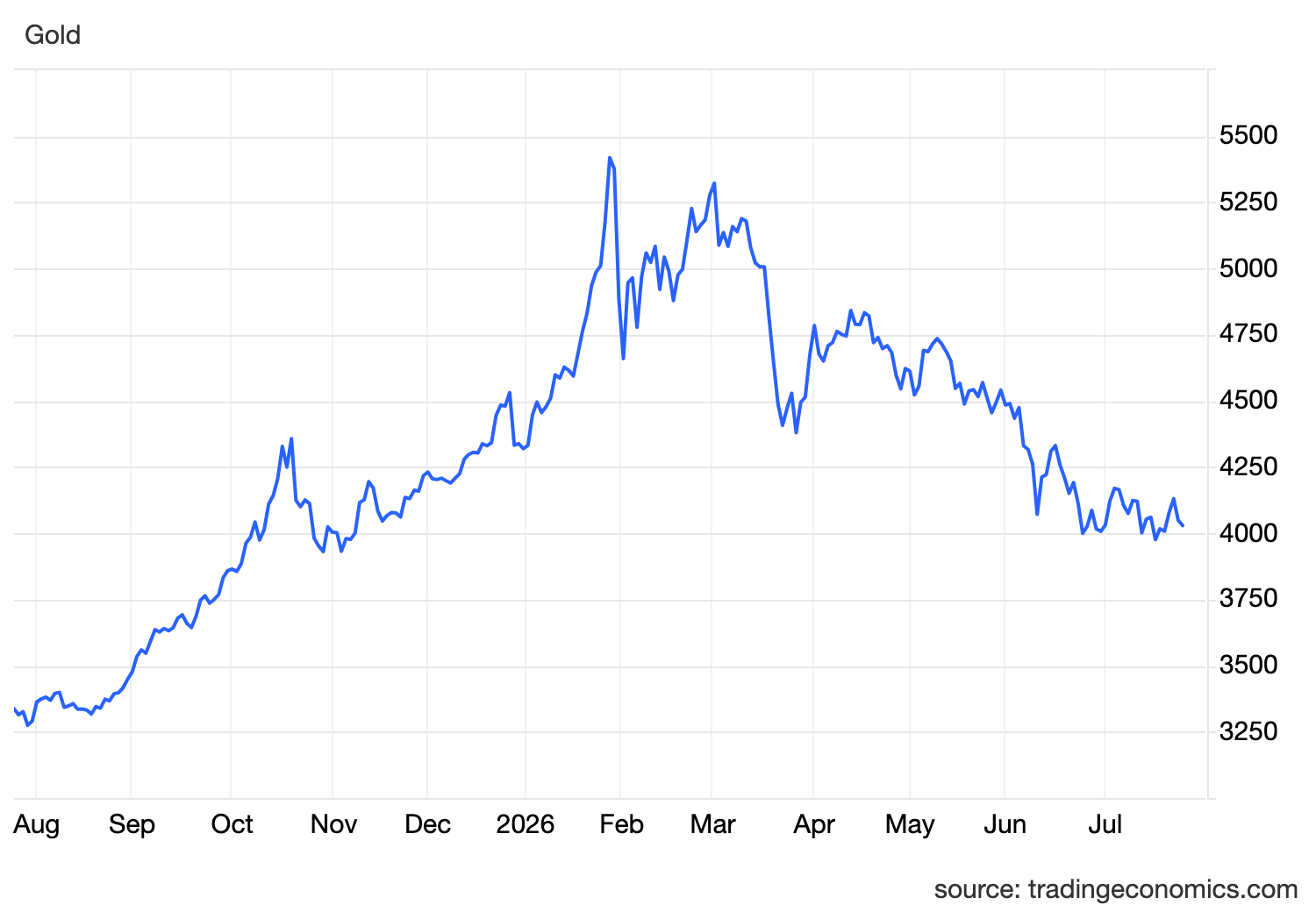
The metal fell toward $4,030 per ounce after losing nearly 2% in the previous session, as surging oil prices strengthened expectations that the Federal Reserve may need to raise interest rates again.
Gold is still heading for a modest weekly gain, but the latest pullback shows how quickly the market’s focus has shifted from geopolitical protection to monetary-policy risk.
The escalation between the United States and Iran has pushed Brent crude above $100 per barrel for the first time since May. President Donald Trump warned that US military action against Iran could expand and said Tehran would be held responsible for future Houthi attacks on commercial vessels in the Red Sea.
Those comments reinforced concerns that the conflict could threaten energy flows through two critical shipping corridors simultaneously.
The Strait of Hormuz remains the principal route for oil and liquefied natural gas leaving the Persian Gulf. The Red Sea and Bab el-Mandeb provide an important alternative route, particularly for Saudi crude transported across the country through the East-West Pipeline.
When both routes become commercially dangerous, the problem extends beyond physical production.
Oil may still be available at wells and storage facilities, but deliverable supply can tighten if tanker operators avoid the region, insurers increase war-risk premiums and shipping companies demand higher freight rates.
That is why Brent has moved above $100 despite higher OPEC+ production quotas.
The market is not only pricing the number of barrels being produced.
It is pricing whether those barrels can reach global buyers safely and affordably.
For gold, the resulting oil shock creates a difficult environment.
Geopolitical escalation would normally increase demand for bullion as a defensive asset. However, the current conflict is also raising energy prices, inflation expectations and government bond yields.
That rates channel has repeatedly outweighed gold’s traditional safe-haven appeal.
The transmission mechanism is straightforward.
Higher oil increases gasoline and transportation costs.
More expensive transportation raises the cost of manufacturing, agriculture, logistics and food distribution.
Businesses then pass part of those increases to consumers.
If the shock lasts long enough, inflation expectations can become more difficult for central banks to contain.
The Federal Reserve must therefore consider not only the direct rise in energy prices, but whether that increase will spread into wages, services and broader consumer prices.
Markets currently assign a meaningful probability to a rate increase at next week’s meeting, while expectations for a September hike have risen sharply.
A move next week is still far from certain.
The Fed would need to balance renewed inflation pressure against evidence that the labour market has started to soften. Recent payroll data showed weaker job creation, while June inflation came in below expectations before the latest surge in energy prices.
That distinction is important.
The softer June inflation report reflected a period when oil prices were falling and Middle East supply conditions were improving.
It does not capture Brent above $100.
Official inflation data is backward-looking, while financial markets are already attempting to price the future effect of higher energy costs.
This leaves the Fed facing an uncomfortable policy mix.
Employment growth is slowing.
Oil prices are rising.
Tariffs are increasing import costs.
Inflation expectations are becoming less secure.
Raising rates could place additional pressure on jobs, housing and domestic demand. Keeping rates unchanged could allow the energy and tariff shocks to spread into broader prices.
For now, the market believes the balance has shifted toward tighter policy.
That is why Treasury yields have risen and gold has retreated.
Gold does not generate interest. When yields rise, investors receive a more attractive return from government bonds and cash. The opportunity cost of holding bullion therefore increases.
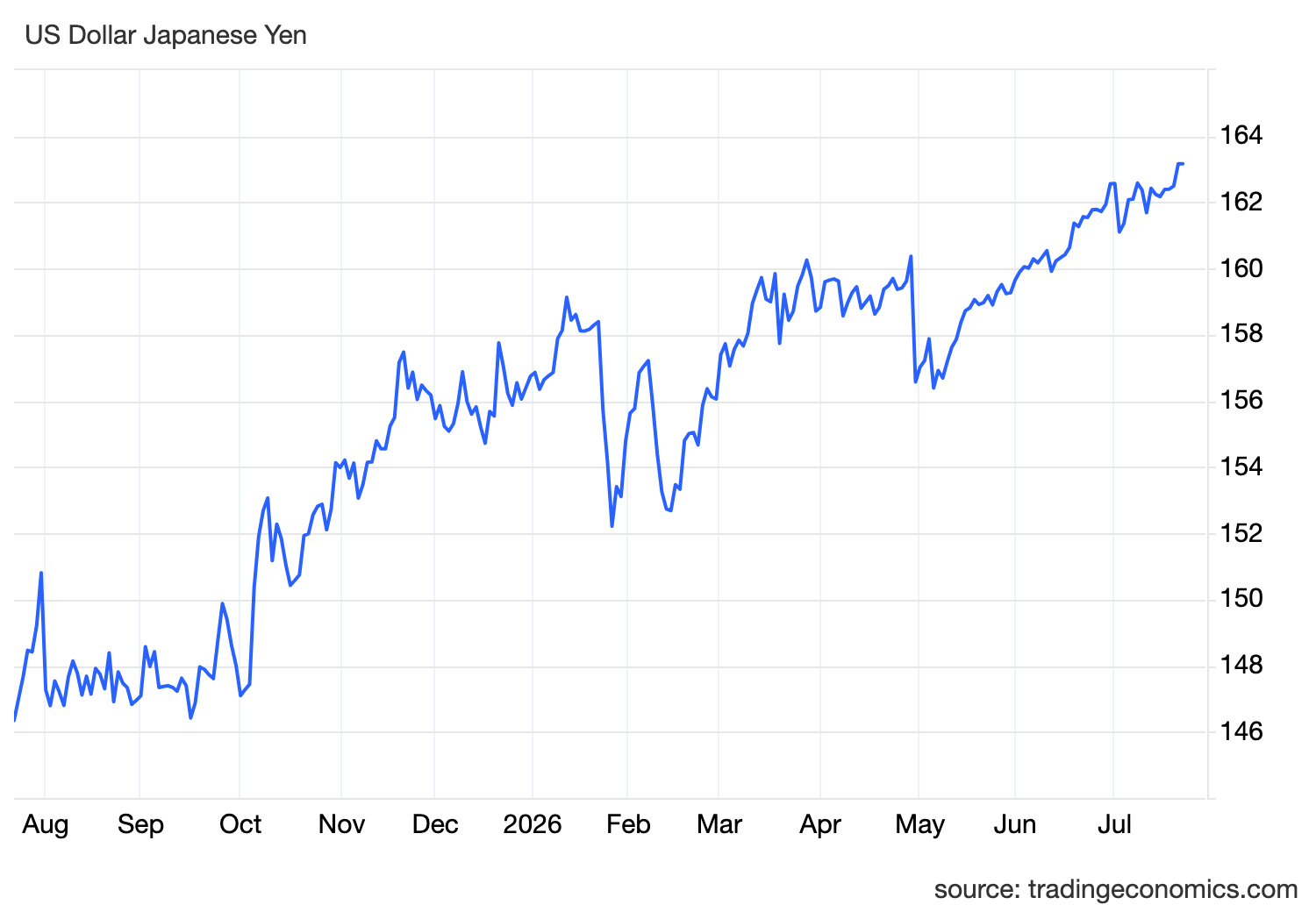
A stronger dollar can add further pressure by making gold more expensive for buyers using other currencies.
The latest tariff measures complicate this picture.
The United States has introduced duties of 10%–12.5% on imports from numerous major trading partners. Although some essential products are exempt, the broader policy still risks raising costs across international supply chains.
Tariffs and oil can reinforce one another.
Higher energy prices raise the cost of producing and transporting goods.
Tariffs raise the cost of importing them.
Businesses facing both pressures may have greater incentive to pass expenses to consumers, making inflation broader and more persistent than an isolated oil spike would imply.
This matters for gold because the metal is not reacting simply to headline inflation.
It is reacting to the expected Federal Reserve response.
Gold can perform well during long periods of inflation when real interest rates remain low or negative. But it can struggle when inflation causes policymakers to raise rates aggressively and pushes real yields higher.
That is the regime markets are currently debating.
The daily decline should not be interpreted as proof that gold has completely lost its safe-haven role.
The metal remains on course for a modest weekly gain, showing that investors still value protection against military escalation, trade uncertainty and the risk of a wider supply crisis.
The market is balancing two opposing forces.
War and tariffs create demand for protection.
Higher yields and a stronger dollar increase the cost of owning that protection.
The second force dominated the latest session.
Whether it continues to dominate will depend largely on oil.
If Brent remains above $100 or moves substantially higher, markets may strengthen expectations for additional Fed tightening. Treasury yields could remain elevated, keeping gold under pressure despite continued geopolitical uncertainty.
If diplomatic progress lowers the threat to Hormuz and Red Sea shipping, oil could retreat and inflation expectations could ease. That would reduce pressure on yields and potentially allow gold to recover.
However, peace would not automatically be negative for bullion.
In this particular market environment, lower oil and softer rate expectations could provide more support to gold than the loss of geopolitical demand removes.
The next Fed decision will therefore be important, but the statement may matter more than the rate itself.
If policymakers raise rates, markets will focus on whether the move is presented as a limited response to the energy shock or the beginning of a broader tightening phase.
If the Fed holds, investors will examine whether Chair Kevin Warsh signals that a September increase remains likely.
Warsh has already moved the central bank away from traditional forward guidance, which makes the interpretation more difficult. The Fed may deliberately avoid providing a clear roadmap and instead emphasize incoming inflation, employment and energy data.
That approach could increase market volatility.
Without a predictable policy signal, each move in oil, CPI, PCE, payrolls and inflation expectations carries greater weight.
Gold may therefore continue experiencing sharp swings even when its broader weekly direction remains relatively stable.
The risk to gold is not simply that the Fed raises rates once.
The greater risk is that Brent above $100 and new tariffs convince markets that inflation will remain elevated for longer, requiring a sustained period of restrictive monetary policy.
The supportive scenario is the opposite.
If oil falls, shipping conditions improve and tariffs produce less inflation than feared, markets could reduce their expectations for further tightening. Lower yields and a weaker dollar would improve the environment for bullion.
For now, however, the inflation channel remains dominant.
The Middle East conflict is threatening oil supply.
The Red Sea escalation is limiting an important alternative route.
Tariffs are raising import-cost uncertainty.
Treasury yields are responding.
And the Fed is being given less room to tolerate inflation above target.
Gold is not falling because geopolitical risk has disappeared.
It is falling because geopolitical and trade risks are being translated into higher interest-rate expectations.
That is the central market contradiction.
The same uncertainty that supports gold as a defensive asset is also creating the inflation pressure that makes holding it more expensive.
Powered by GaphyToro
GaphyToro is a trading journal and trader-development platform built to help traders document their decisions, analyse execution, identify recurring performance patterns and improve discipline through structured data.
Record every trade, review your results and turn your trading history into a measurable improvement process at www.gaphytoro.com.
Filed under
Written by

Founder & CEO, GaphyToro
Philip Ogina is the Founder and CEO of GaphyToro, a trader-first performance ecosystem built to help modern traders improve through structure, discipline, data, and better execution. He is a trader, investor, market analyst, educator, and software builder focused on building tools and infrastructure for the next generation of traders.