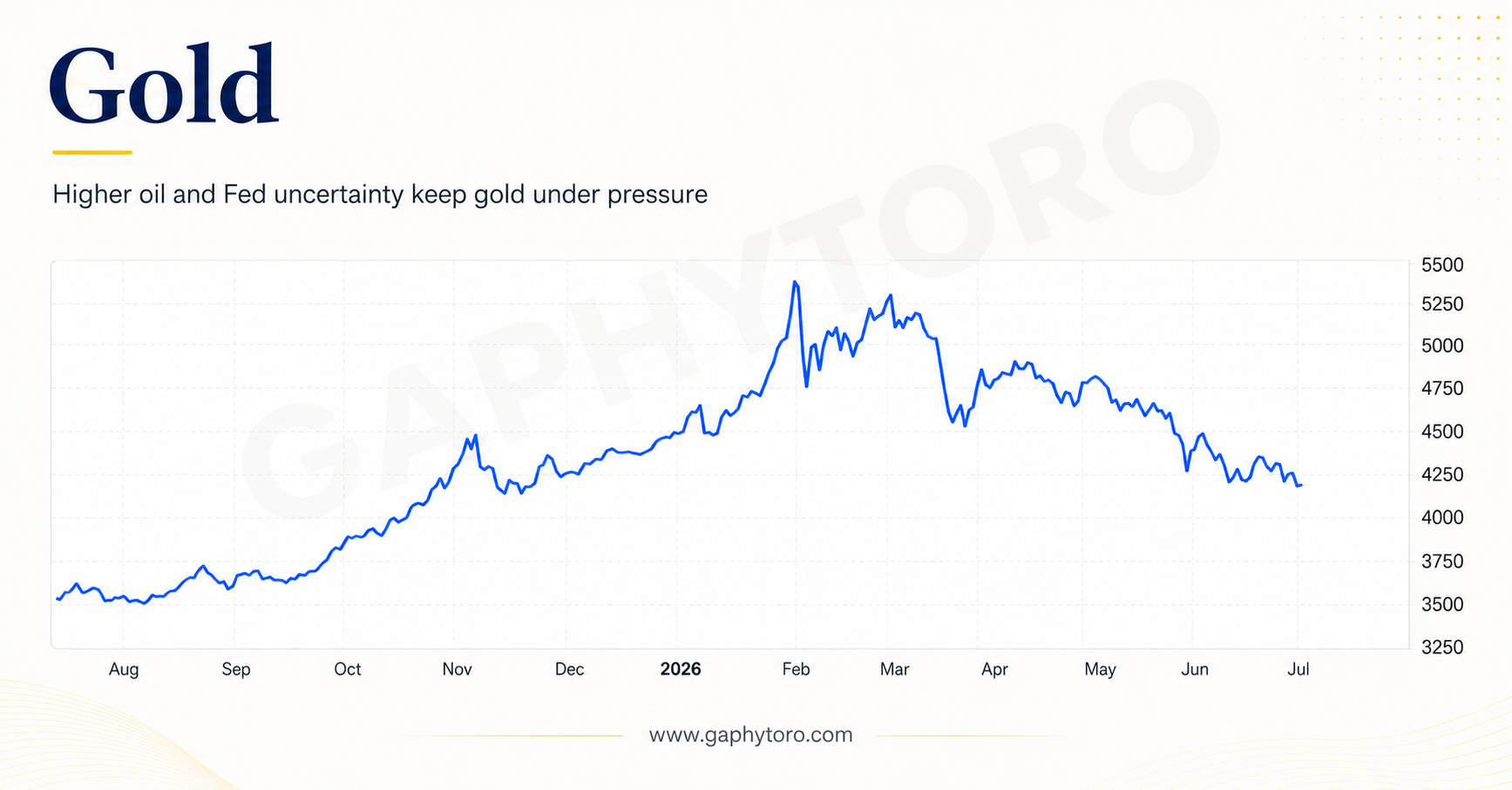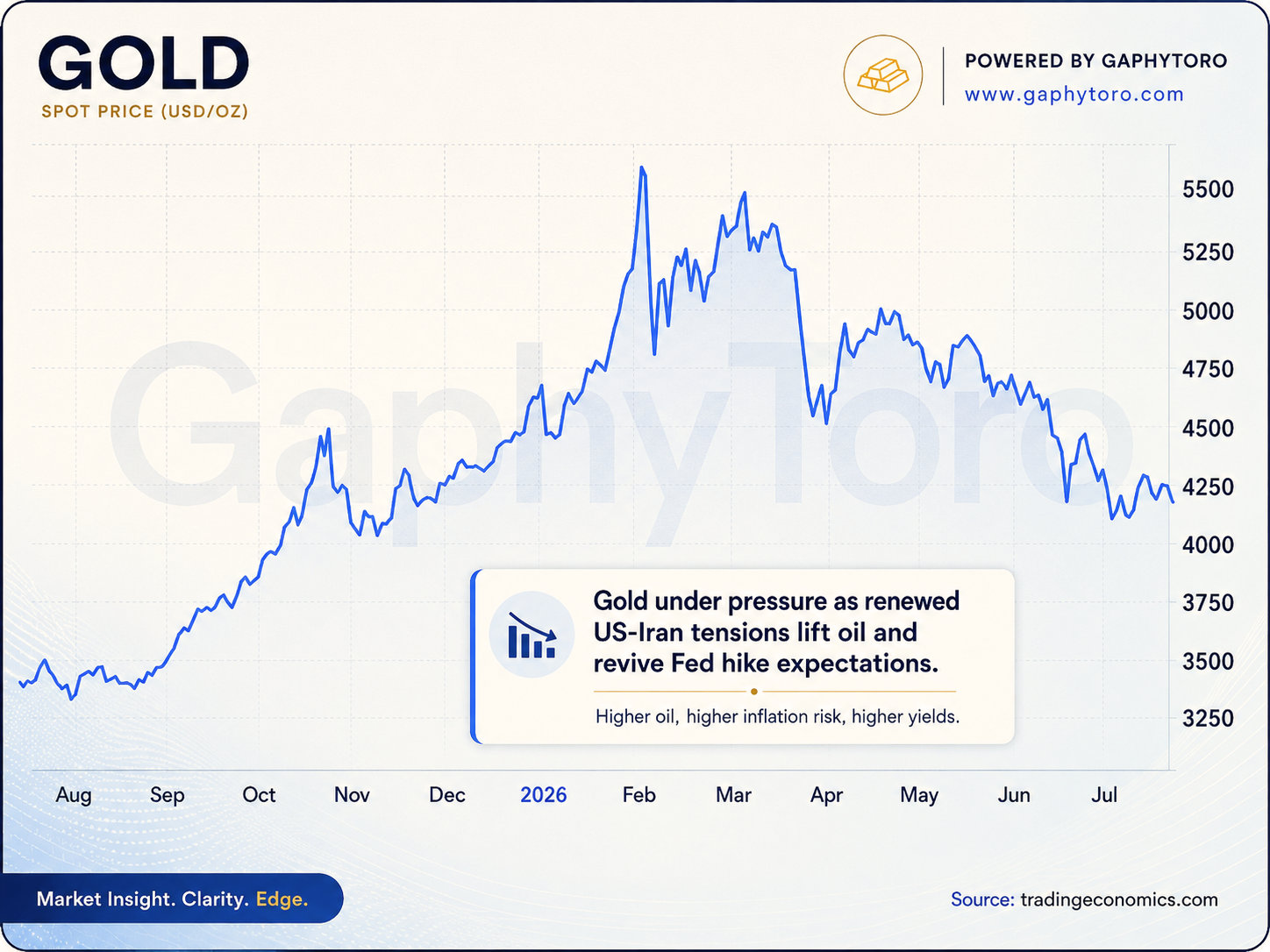
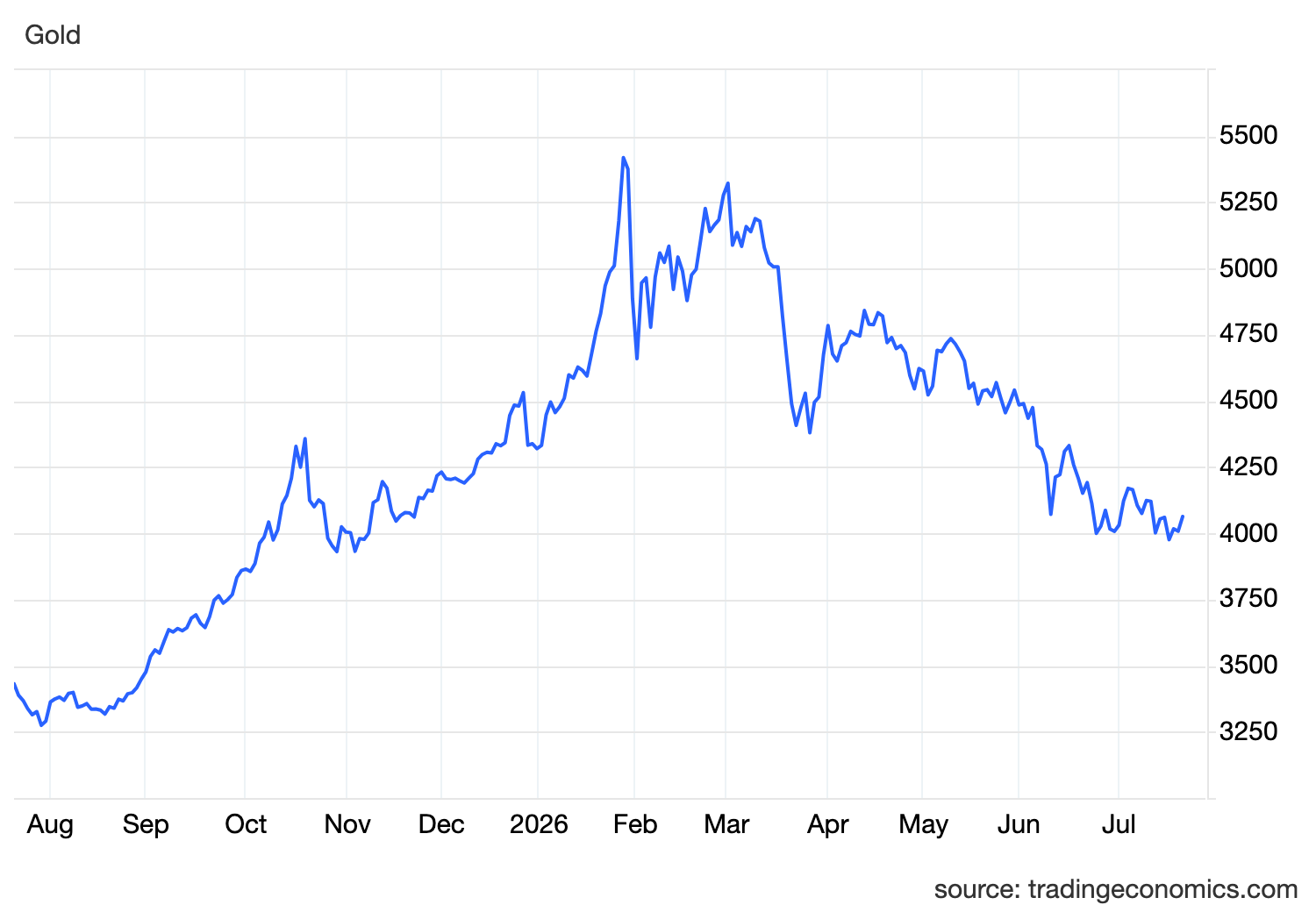
Gold is recovering because markets are once again considering a diplomatic route out of the Middle East energy crisis.
The metal climbed above $4,050 after mediators attempted to move the United States and Iran toward a new ceasefire, with reports suggesting a possible 10-day truce that could create room for broader peace negotiations.
The immediate significance for gold comes through oil and interest rates.
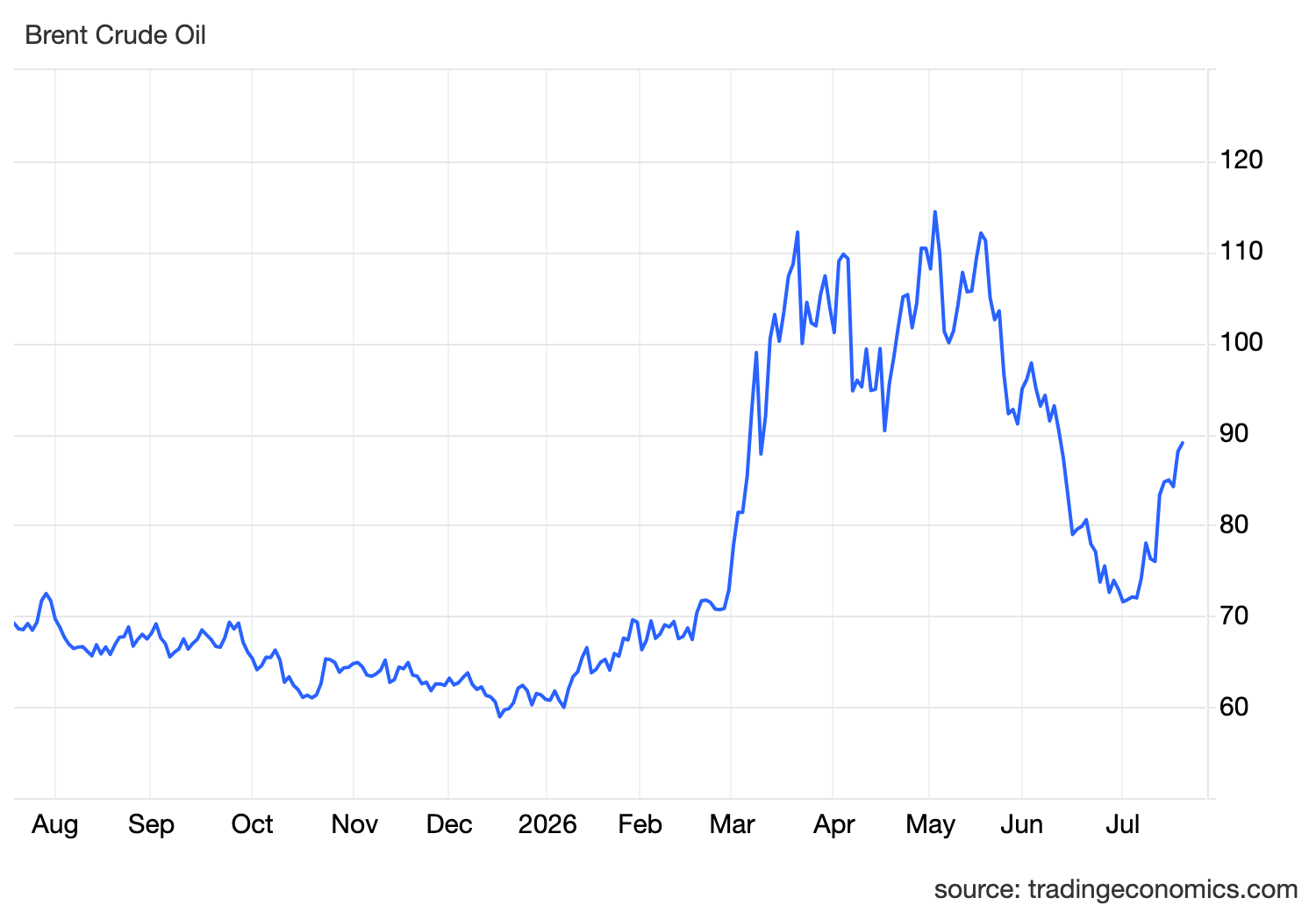
For much of the conflict, military escalation has not produced the conventional bullish reaction in bullion. The reason is that the fighting has threatened energy flows through the Strait of Hormuz, pushing oil prices higher and increasing inflation expectations.
That created a difficult macro environment for gold.
Higher oil raised fuel, transportation and production costs. Rising inflation concerns supported Treasury yields and strengthened expectations that the Federal Reserve would raise interest rates again. Because gold pays no interest, higher yields increased the opportunity cost of holding it.
This is why gold repeatedly struggled even while geopolitical risks intensified.
The latest diplomatic effort offers the possibility that this transmission mechanism could begin reversing.
A credible ceasefire would reduce the immediate threat to oil production, shipping and export infrastructure across the Gulf. That could remove part of the geopolitical premium embedded in crude prices and reduce fears of another energy-driven inflation surge.
Lower oil would give the Federal Reserve more room to assess the economy without immediately responding to another supply shock.
For gold, that matters more than the loss of some traditional safe-haven demand.
A peace agreement would reduce geopolitical fear, which would normally weaken bullion. But it could simultaneously lower oil, inflation expectations, Treasury yields and the dollar. In the current environment, relief through the interest-rate channel may be more supportive than reduced war demand is negative.
That helps explain gold’s rebound.
However, the move is not yet a clean bullish reversal.
Treasury yields have risen sharply this week, while markets continue to assign a meaningful probability to another Federal Reserve rate hike in September. Recent inflation readings may have improved, but the central bank has not completed its fight against elevated price pressures.
Fed Chair Kevin Warsh has repeatedly emphasized that restoring price stability remains the central bank’s primary objective. The Fed is therefore unlikely to change direction based only on the possibility of a temporary ceasefire.
Policymakers will need evidence that lower energy prices are feeding into actual inflation data.
They will also need to see whether underlying services inflation, wages and consumer demand are cooling. If those areas remain firm, the Fed could still raise rates even if oil begins retreating.
This creates an important distinction.
Lower oil can reduce future inflation risk.
It does not automatically remove inflation that is already embedded in the economy.
The diplomatic process itself also remains fragile.
President Donald Trump warned that Iran would be held responsible for the deaths of three US service members. That keeps the possibility of further retaliation alive and reduces confidence that either side is ready to commit fully to de-escalation.
Markets have seen ceasefire expectations improve and collapse several times throughout this conflict.
Until both sides formally accept and maintain a new agreement, oil prices are likely to retain a significant risk premium.
The Houthi announcement creates another complication.
The Iran-backed group declared a maritime embargo against Saudi Arabia, raising concerns about shipping through the Red Sea and the Bab el-Mandeb strait. Saudi Arabia has relied on its East-West Pipeline and Red Sea export facilities as alternatives when Hormuz traffic becomes difficult.
If those alternative routes also become vulnerable, the market may struggle to price a smooth recovery in regional energy flows.
This is important because the oil-supply problem is no longer limited to one waterway.
Hormuz affects exports from the Persian Gulf.
The Red Sea and Bab el-Mandeb affect alternative routes toward Europe and international markets.
Risk across both corridors could increase freight costs, insurance premiums and delivery times even if physical oil production remains sufficient.
That would keep effective supply tighter than headline output figures suggest.
For gold, the combination creates competing forces.
Ceasefire talks and lower oil expectations are supportive because they reduce inflation and rate concerns.
Continued military threats, rising yields and disruption risks in the Red Sea limit the strength of that support.
This explains why gold can rebound without entering a sustained rally.
The market is pricing an improved diplomatic possibility, not a completed peace agreement.
Treasury yields remain the clearest test.
If negotiations progress and oil prices retreat, yields could begin easing as investors reduce expectations for additional Fed tightening. A softer dollar would add further support to bullion.
If peace efforts fail and oil resumes its rise, inflation expectations could strengthen again. That would reinforce the September hike case and potentially return gold to the pressure seen during recent weeks.
The dollar will also play an important role.
During the conflict, the US currency has received support from both safe-haven demand and higher interest-rate expectations. Successful peace negotiations would weaken both sources of demand by reducing geopolitical fear and easing energy-driven inflation concerns.
That would improve the environment for gold.
A breakdown in talks would likely restore dollar support, particularly if investors seek safety while also pricing a more restrictive Fed.
The next phase therefore depends on more than war headlines.
Markets must assess whether diplomatic progress is strong enough to change the outlook for oil, inflation and monetary policy.
A temporary ceasefire without a durable agreement may produce only short-term relief.
A credible framework that protects Hormuz traffic and reduces the threat to regional infrastructure could create a more meaningful shift in the inflation outlook.
For now, gold is benefiting from the possibility that the energy shock can be contained.
But higher yields show that investors are not yet convinced.
The key macro chain remains clear.
Peace progress lowers the risk to energy supply.
Lower supply risk pressures oil.
Lower oil reduces future inflation concerns.
Lower inflation risk weakens the case for further Fed tightening.
Lower yields and a softer dollar support gold.
The problem is that the chain can reverse quickly.
Houthi threats, US-Iran retaliation or another breakdown in talks could send oil and yields higher again.
Gold’s rebound is therefore based on cautious optimism rather than complete confidence.
The metal is rising because peace talks may weaken the inflationary forces that previously pushed it lower.
Whether those gains continue will depend on whether diplomacy produces lower oil and, eventually, lower Treasury yields.
Powered by GaphyToro
GaphyToro is a trading journal and trader-development platform built to help traders document their decisions, analyse execution, identify recurring performance patterns and improve discipline through structured data.
Record every trade, review your process and turn your trading history into measurable improvement at www.gaphytoro.com.
Filed under
Written by

Founder & CEO, GaphyToro
Philip Ogina is the Founder and CEO of GaphyToro, a trader-first performance ecosystem built to help modern traders improve through structure, discipline, data, and better execution. He is a trader, investor, market analyst, educator, and software builder focused on building tools and infrastructure for the next generation of traders.