Oil is rising because the Middle East conflict is no longer threatening only one major shipping corridor.
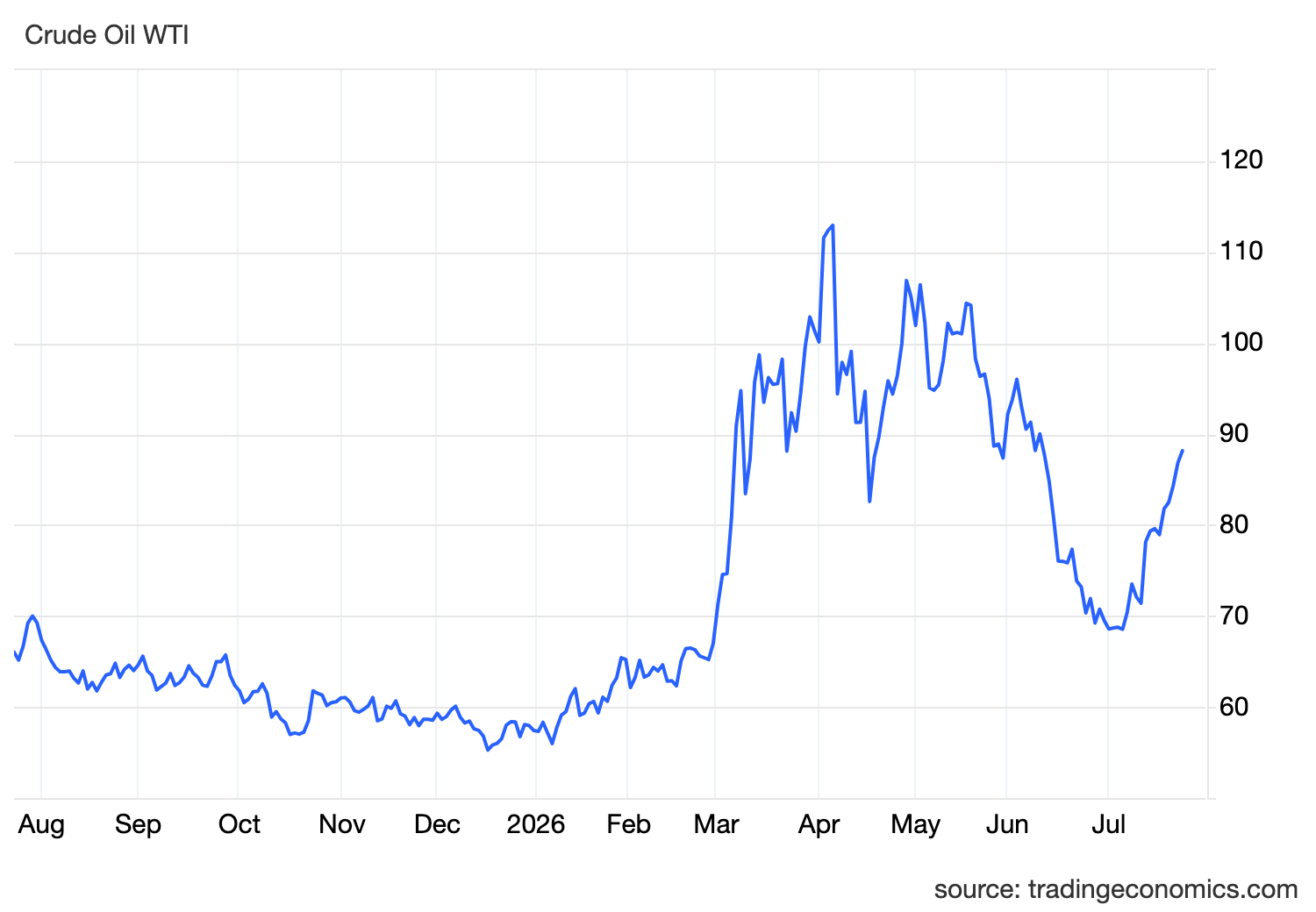
WTI crude climbed toward $88 per barrel, extending its advance for a fifth consecutive session as military escalation increased the risk of disruption across both the Strait of Hormuz and the Red Sea.
That development changes the supply outlook significantly.
For much of the conflict, Hormuz was the central risk. The strait handles a major share of global energy trade and remains the primary export route for several Gulf producers. When traffic through the waterway became more difficult, Saudi Arabia and other regional suppliers relied more heavily on pipelines, storage facilities and alternative ports to maintain exports.
The Red Sea was an important part of that adjustment.
Saudi Arabia can move crude across the country through its East-West Pipeline and load it from terminals on the Red Sea coast, reducing its dependence on Hormuz. That route provided the market with an important supply cushion during earlier disruptions.
The latest Houthi attacks now place that cushion under pressure.
Iran-backed militants reportedly attacked two Saudi oil tankers in the Red Sea using missiles and drones. These were not merely threats against port activity. They represented direct action against the vessels responsible for moving Saudi crude to international buyers.
This creates a second front in the energy conflict.
Hormuz threatens exports leaving the Persian Gulf.
The Red Sea threatens one of the principal routes used to bypass that risk.
If both corridors become dangerous at the same time, producers may still have oil available, but delivering it becomes slower, more expensive and considerably less reliable.
That distinction is critical.
Oil markets are not determined only by how many barrels producers can pump. They are also shaped by whether tankers are willing to collect those barrels, whether insurers will cover the journey and whether ports and shipping lanes remain commercially usable.
Physical availability and deliverable supply are not the same thing.
A producer can raise output, but higher quotas will not solve the problem if vessels avoid the region, insurance premiums surge or transportation capacity becomes the binding constraint.
This is why the recent OPEC+ production increases have not stopped the rally.
Only a few weeks ago, investors were concerned that rising OPEC+ output and recovering Iranian supply could create a surplus. That view assumed regional shipping conditions would continue improving and that alternative export routes would remain available.
Those assumptions are now weakening.
The US has continued striking Iranian targets, extending its campaign into a twelfth consecutive day, while Washington and Tehran have both downplayed the likelihood of meaningful peace negotiations.
President Trump has also warned that the US will strike Iranian infrastructure if Tehran continues attacking vessels passing through Hormuz.
Iran, in turn, has threatened retaliation against US-linked energy infrastructure across the region.
That raises the possibility that the conflict moves deeper into the physical energy system.
Ports, pipelines, storage facilities, power infrastructure and loading terminals could all become targets. Once those assets are damaged, the supply disruption can last much longer than the military exchange itself.
A shipping delay may be resolved when security conditions improve.
A damaged export terminal or pipeline can take weeks or months to restore.
That is why the market is rebuilding a larger geopolitical premium.
The risk is no longer limited to Iran preventing vessels from moving through Hormuz. It now includes the possibility that Saudi exports through the Red Sea become less secure and that the infrastructure supporting regional supply comes under sustained attack.
The consequences extend far beyond crude oil.
Higher energy prices feed into fuel, transport, aviation, manufacturing, agriculture and logistics costs. Companies eventually pass part of those increases to consumers, keeping headline inflation elevated and potentially spreading pressure into broader goods and services.
That puts central banks back in a difficult position.
Recent US inflation data showed some improvement after oil prices temporarily declined. Labour-market data also weakened, reducing expectations that the Federal Reserve would need to raise rates immediately.
But another sustained oil rally could reverse part of that progress.
If energy prices remain elevated, the Fed may face slower employment growth alongside renewed inflation pressure. That is a difficult policy combination because tighter rates could weaken the economy further, while patience could allow inflation expectations to rise again.
For the dollar, this environment can remain supportive.
The currency may benefit from safe-haven demand as the conflict escalates. Higher oil can also strengthen expectations that US interest rates will remain restrictive, supporting Treasury yields and demand for dollar-denominated assets.
However, the reaction will depend on whether markets focus primarily on inflation or begin worrying that the oil shock will damage US growth.
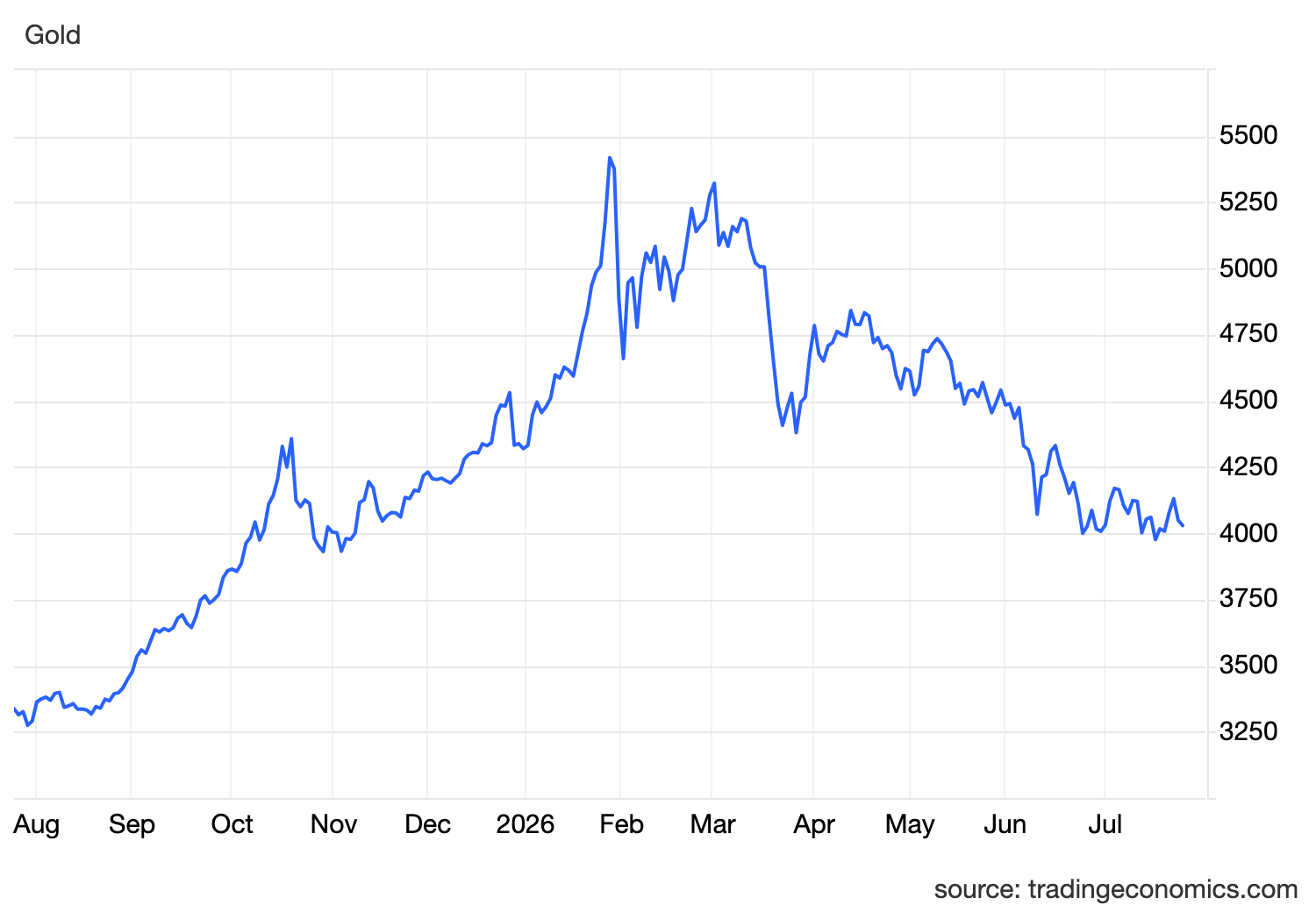
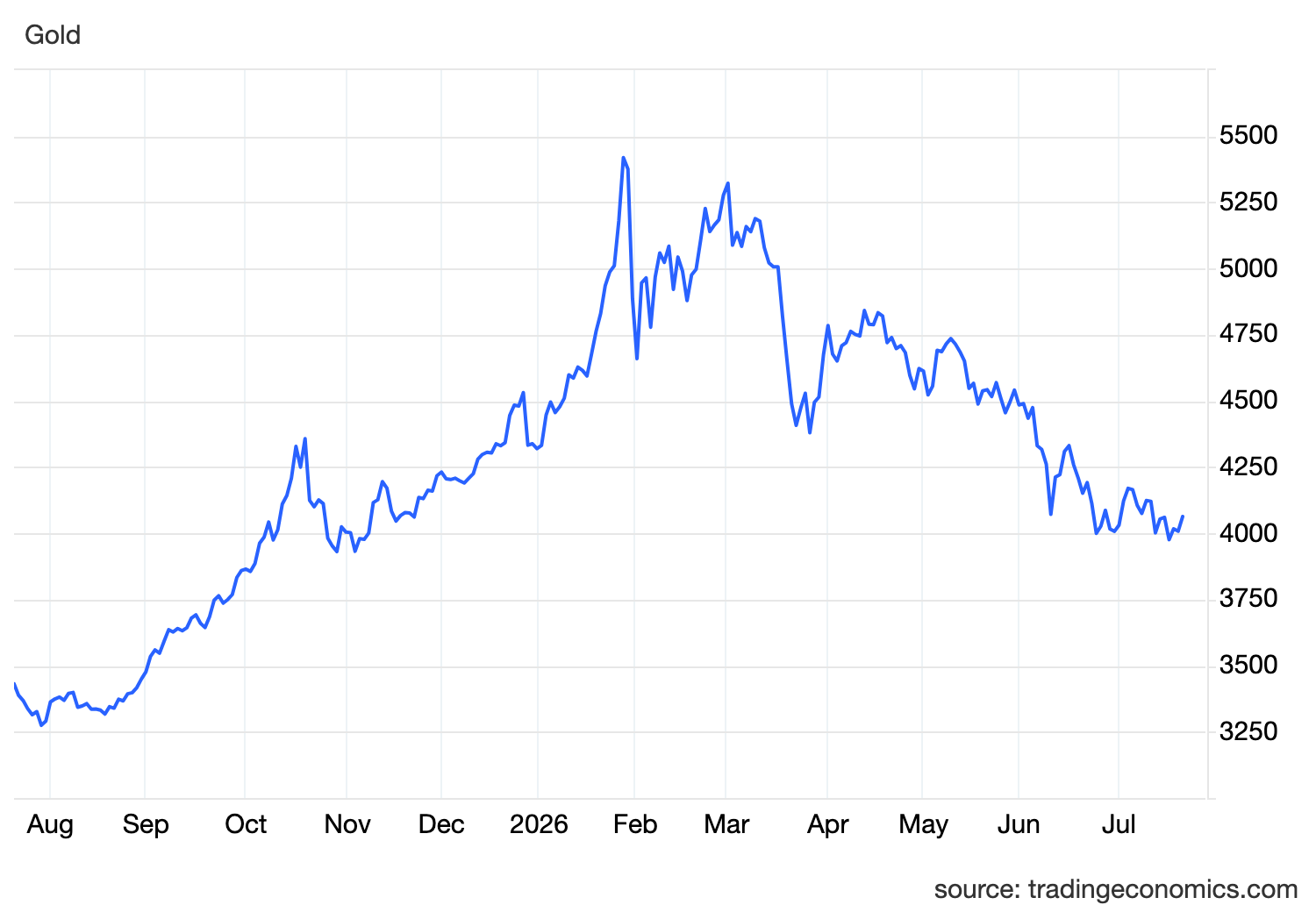
Gold faces a similarly complicated setup.
Escalating conflict can attract defensive demand, but this particular crisis remains inflationary. If rising oil pushes Treasury yields and the dollar higher, the rates channel can overpower gold’s traditional safe-haven appeal.
That is why war headlines have not consistently produced sustained gold rallies during this conflict.
Equities face a clearer challenge.
Higher oil increases corporate costs, reduces household purchasing power and creates additional uncertainty around monetary policy. Airlines, manufacturers, transport companies and consumer-facing businesses are especially vulnerable to a prolonged increase in energy prices.
Energy producers may benefit from stronger crude prices, but the broader market has to absorb tighter financial conditions and weaker margins.
Europe and Asia remain highly exposed.
Many economies in both regions rely heavily on imported Middle Eastern energy. Higher prices can worsen trade balances, weaken domestic demand and complicate central-bank decisions.
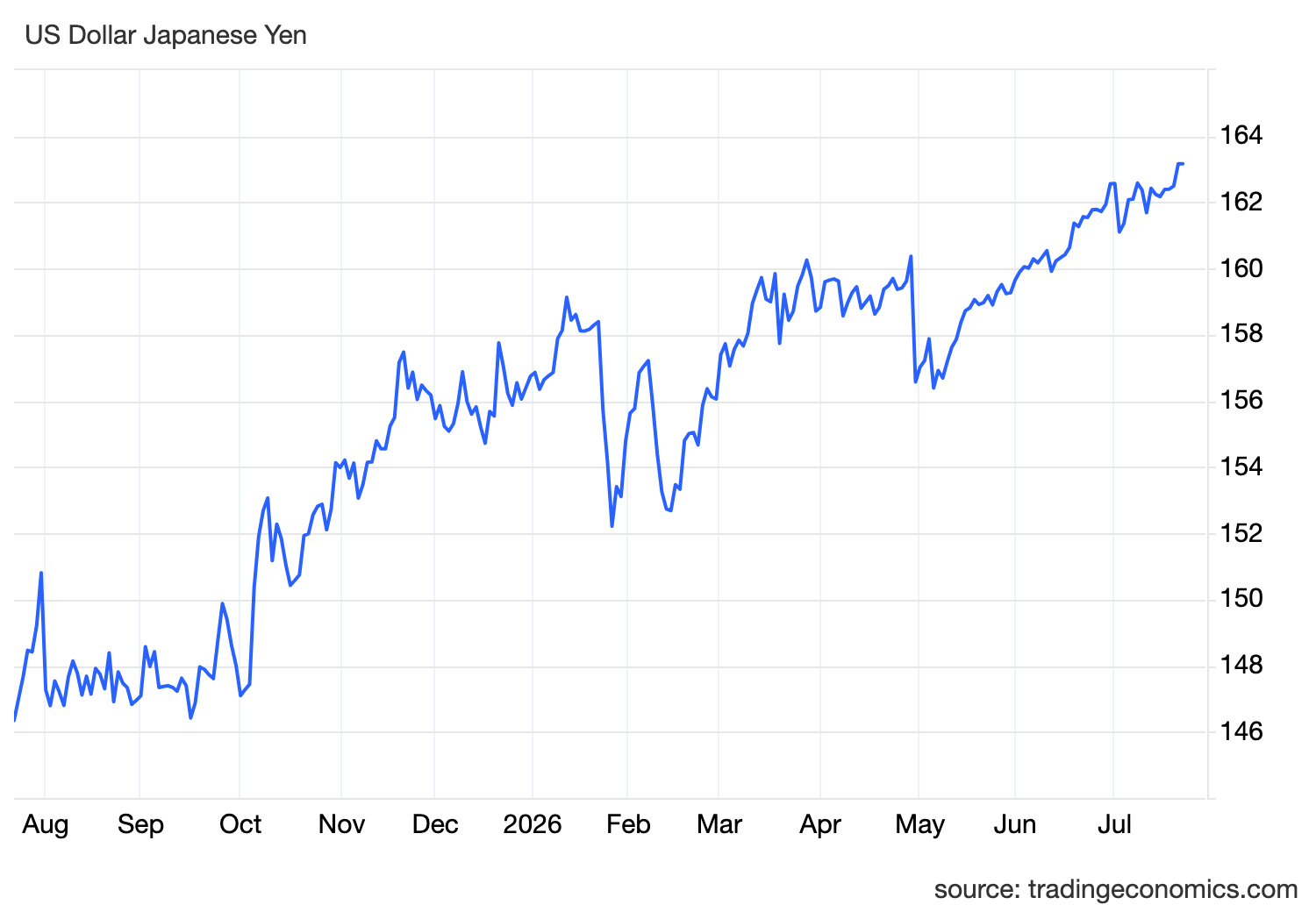
Japan is particularly vulnerable because a weak yen already makes imported oil more expensive. A sustained rise in crude could intensify inflation pressure, deepen the trade deficit and increase pressure on the Bank of Japan.
The most important market signal now may not be the headline price of oil.
It may be the behaviour of the shipping industry.
If tankers continue reversing course, insurers increase war-risk premiums and shipowners refuse new bookings, effective supply could tighten even without a formal closure of either route.
That would show the disruption moving from political risk into commercial reality.
The market will therefore watch several developments closely.
Actual vessel traffic through Hormuz and the Red Sea will matter more than official statements claiming that routes remain open.
Insurance and freight costs will reveal whether commercial operators believe the danger is increasing.
Any damage to pipelines, ports or energy facilities could extend the disruption.
And diplomatic progress would need to produce more than another temporary pause to remove the risk premium now embedded in prices.
For now, the direction of risk remains clear.
The conflict is widening.
The workaround routes are becoming less secure.
Diplomacy is failing to produce visible progress.
Oil is rising because the market is no longer confident that producers can safely deliver the supply they have available.
The key macro chain is straightforward.
Attacks threaten two major shipping corridors.
Commercial risk reduces effective transport capacity.
Deliverable oil supply tightens.
Crude prices rise.
Inflation pressure returns.
Central banks gain less room to ease.
Yields, currencies, gold and global equities all reprice.
The oil rally is not only a reaction to another round of military headlines.
It reflects a deeper concern that the region’s primary export route and one of its most important alternatives are now under threat at the same time.
Powered by GaphyToro
GaphyToro is a trading journal and trader-development platform built to help traders record their decisions, evaluate execution, identify recurring performance patterns and strengthen discipline through structured data.
Journal every trade, review your process and turn your trading history into measurable improvement at www.gaphytoro.com.
Filed under
Written by

Founder & CEO, GaphyToro
Philip Ogina is the Founder and CEO of GaphyToro, a trader-first performance ecosystem built to help modern traders improve through structure, discipline, data, and better execution. He is a trader, investor, market analyst, educator, and software builder focused on building tools and infrastructure for the next generation of traders.