The Nikkei’s latest decline is being driven by two forces that are now colliding at the same time.
The first is the fading momentum behind the AI trade. The second is the return of macro pressure through higher oil prices and rising geopolitical tension.
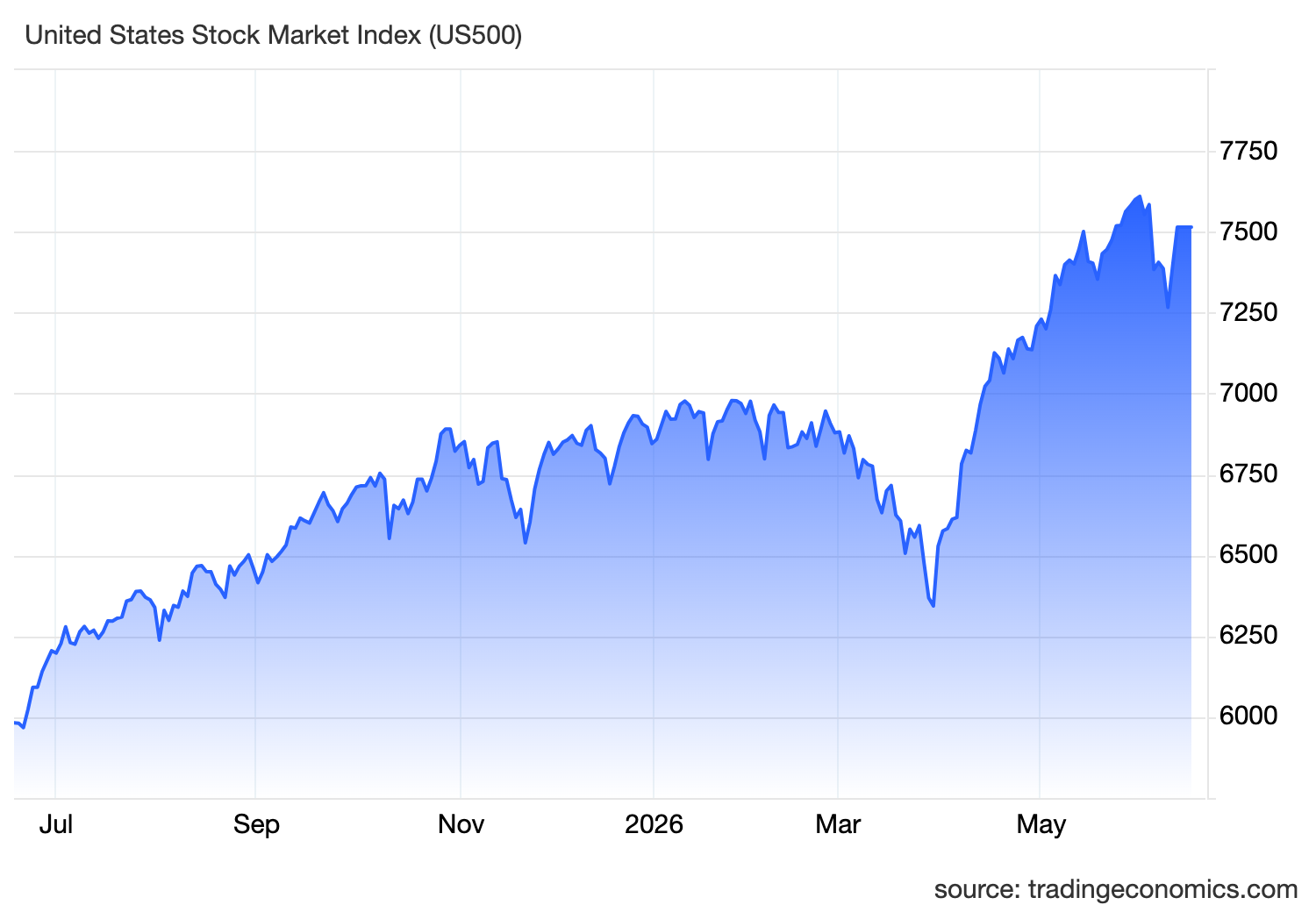
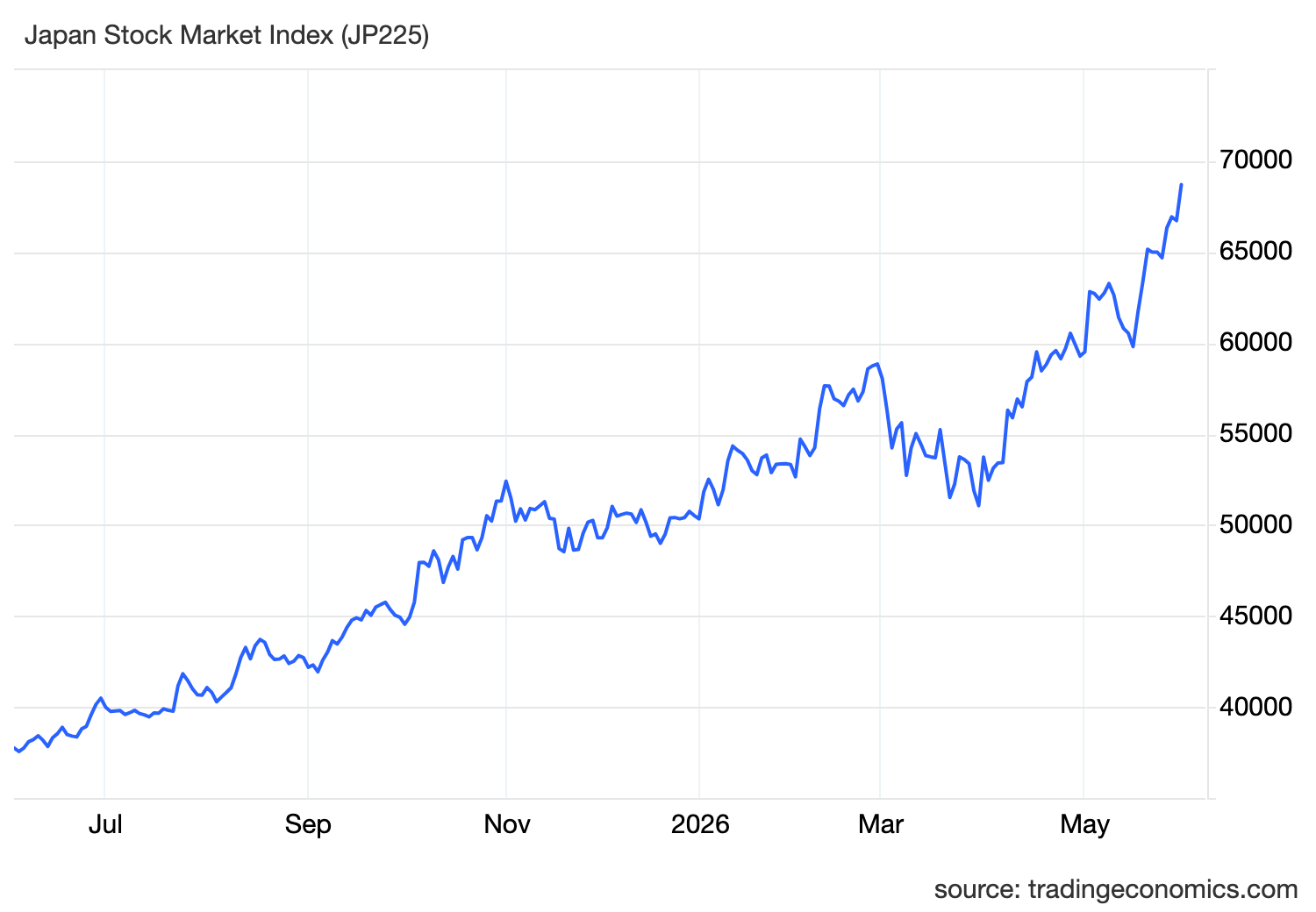
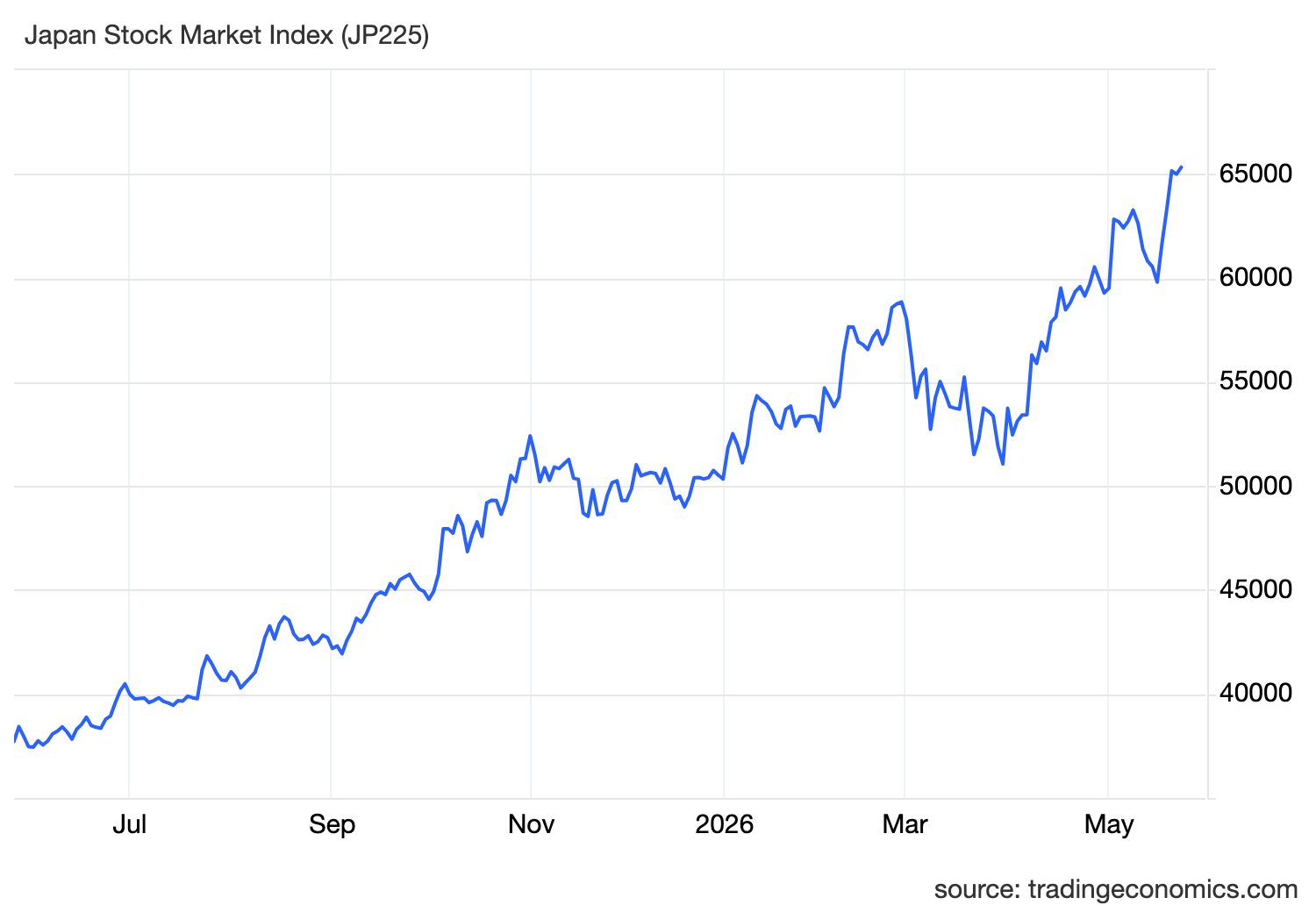
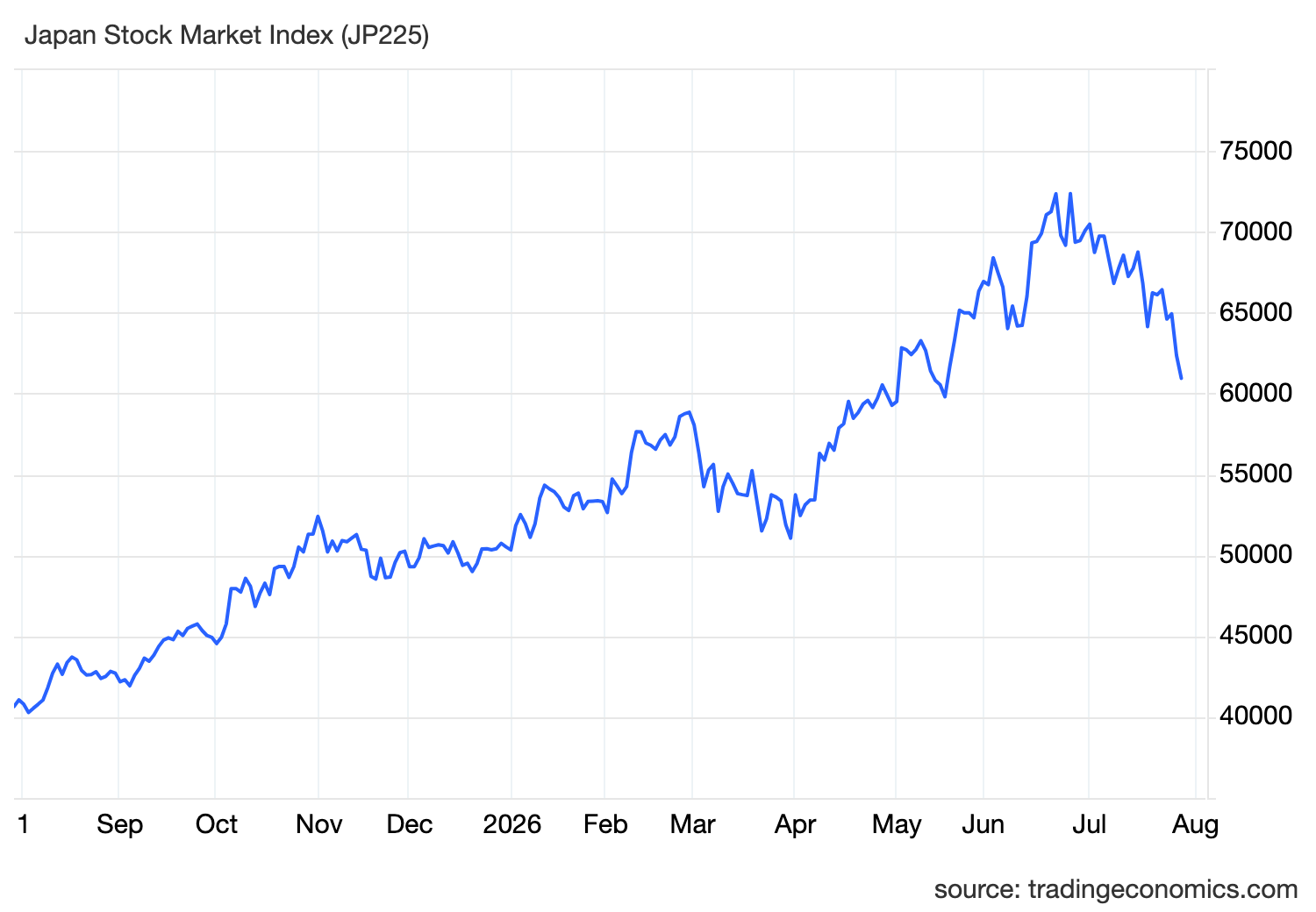
The Nikkei 225 fell 0.8% to below 62,000, extending the previous session’s losses as technology shares remained under heavy selling pressure. That move closely followed weakness on Wall Street, where chipmakers led overnight declines and reignited concerns that one of the most crowded themes in global markets may be losing momentum.
That matters for Japan more than it does for many other equity markets.
Japan sits deep inside the global semiconductor and electronics supply chain, so when investors start de-risking AI-linked exposure in the US, the effect quickly spills into Japanese names. That is exactly what the market showed. Kioxia Holdings, Tokyo Electron, SoftBank Group, Murata Manufacturing and Taiyo Yuden all posted notable losses, making it clear that investors were not simply selling one isolated stock. They were reducing exposure across the broader AI and technology complex.
The weakness in financials is also important.
Mitsubishi UFJ, Sumitomo Mitsui and Mizuho all declined, which suggests this was not only a sector-specific tech correction. It points to broader risk reduction across Japanese equities. When both growth-heavy technology names and major banks come under pressure together, the market is usually signaling a wider reassessment of risk appetite rather than a narrow earnings or valuation adjustment.
The geopolitical backdrop added to that reassessment.
The US military said it intercepted what it described as a surprise Iranian attack targeting American troops across the Middle East. That pushed oil prices higher and reignited concerns that the region’s instability could once again feed into energy markets.
For Japan, that is a meaningful macro problem.
Japan remains heavily dependent on imported energy, and higher oil prices can hit the equity market through several channels at once. They raise input costs for businesses, squeeze household purchasing power, worsen the trade backdrop and complicate the inflation story. If the move in crude becomes sustained, it can also tighten financial conditions globally by lifting inflation expectations and keeping interest rates higher for longer.
That is why this Nikkei move should not be read only as an AI trade correction.
It is also a reminder that Japanese equities remain sensitive to shifts in the global macro environment. When oil rises and geopolitical risk returns, Japan tends to feel it more acutely because it has less insulation from imported energy shocks than the United States.
There is also a policy angle here.
The Bank of Japan has been moving cautiously toward normalization, but renewed oil strength creates an awkward mix. Higher crude can lift inflation, but it does so in a way that is not necessarily supportive for domestic growth or corporate margins. That leaves policymakers facing a less comfortable backdrop, especially if the equity market begins to lose leadership from its technology heavyweights.
The AI trade itself is also at an important stage.
The issue is not whether AI remains a powerful long-term theme. The issue is whether valuations, positioning and expectations have simply run too far ahead of near-term reality. When a trade becomes this crowded, even a modest change in sentiment can trigger outsized selling, particularly in markets like Japan where investors have aggressively chased semiconductor and hardware exposure.
This is why the next phase matters.
If Wall Street chipmakers stabilize, the Nikkei could find support relatively quickly, especially if oil stops rising and geopolitical fears cool. But if the US tech unwind continues while crude prices remain firm, Japanese equities could face a more difficult adjustment because both the growth narrative and the macro backdrop would be deteriorating at the same time.
The key signals to watch now are straightforward.
First, investors need to monitor whether the selloff remains concentrated in AI-linked names or spreads more broadly across the market.
Second, oil will matter a lot. If Middle East tension continues lifting crude, the pressure on Japan’s imported energy bill becomes harder to ignore.
Third, traders should watch the yen. A weaker yen can help exporters at the margin, but it also amplifies the domestic cost of dollar-denominated oil and imported components.
The broader takeaway is that the Nikkei is no longer being carried by AI optimism alone.
That trade is being tested, and it is being tested at the same time that macro risk is returning through higher oil and renewed geopolitical instability.
For now, Japanese equities are facing a double pressure point.
Technology leadership is weakening, and the external macro environment is becoming less friendly.
Powered by GaphyToro
GaphyToro is a trading journal and trader-development platform built to help traders record every trade, review execution, identify recurring patterns and improve discipline through structured data.
Use GaphyToro to journal your setups, track your decision-making and turn past trades into measurable improvement at www.gaphytoro.com.
Filed under
Written by

Founder & CEO, GaphyToro
Philip Ogina is the Founder and CEO of GaphyToro, a trader-first performance ecosystem built to help modern traders improve through structure, discipline, data, and better execution. He is a trader, investor, market analyst, educator, and software builder focused on building tools and infrastructure for the next generation of traders.