Japan’s equity market is still being led by one dominant force.
AI.
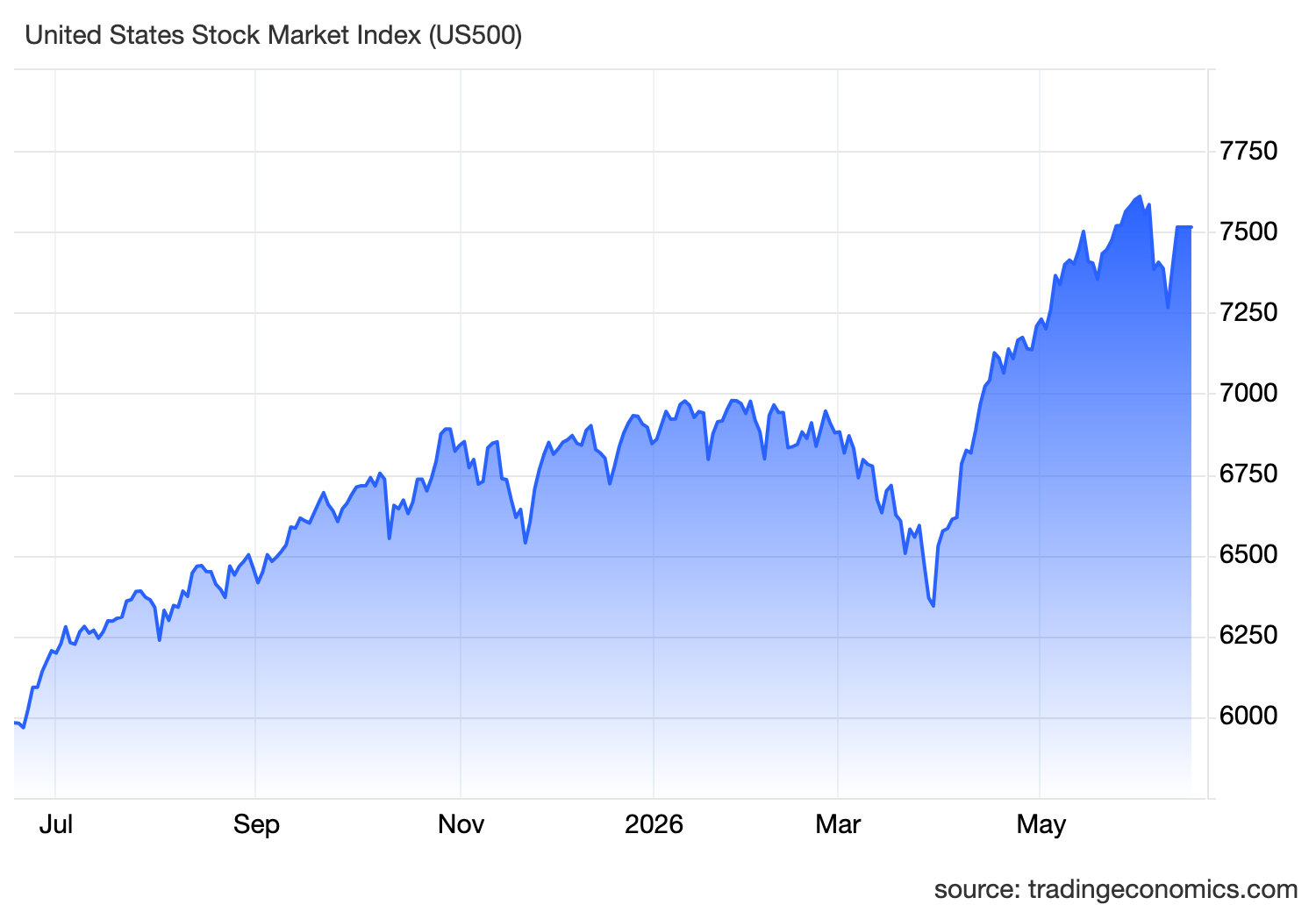
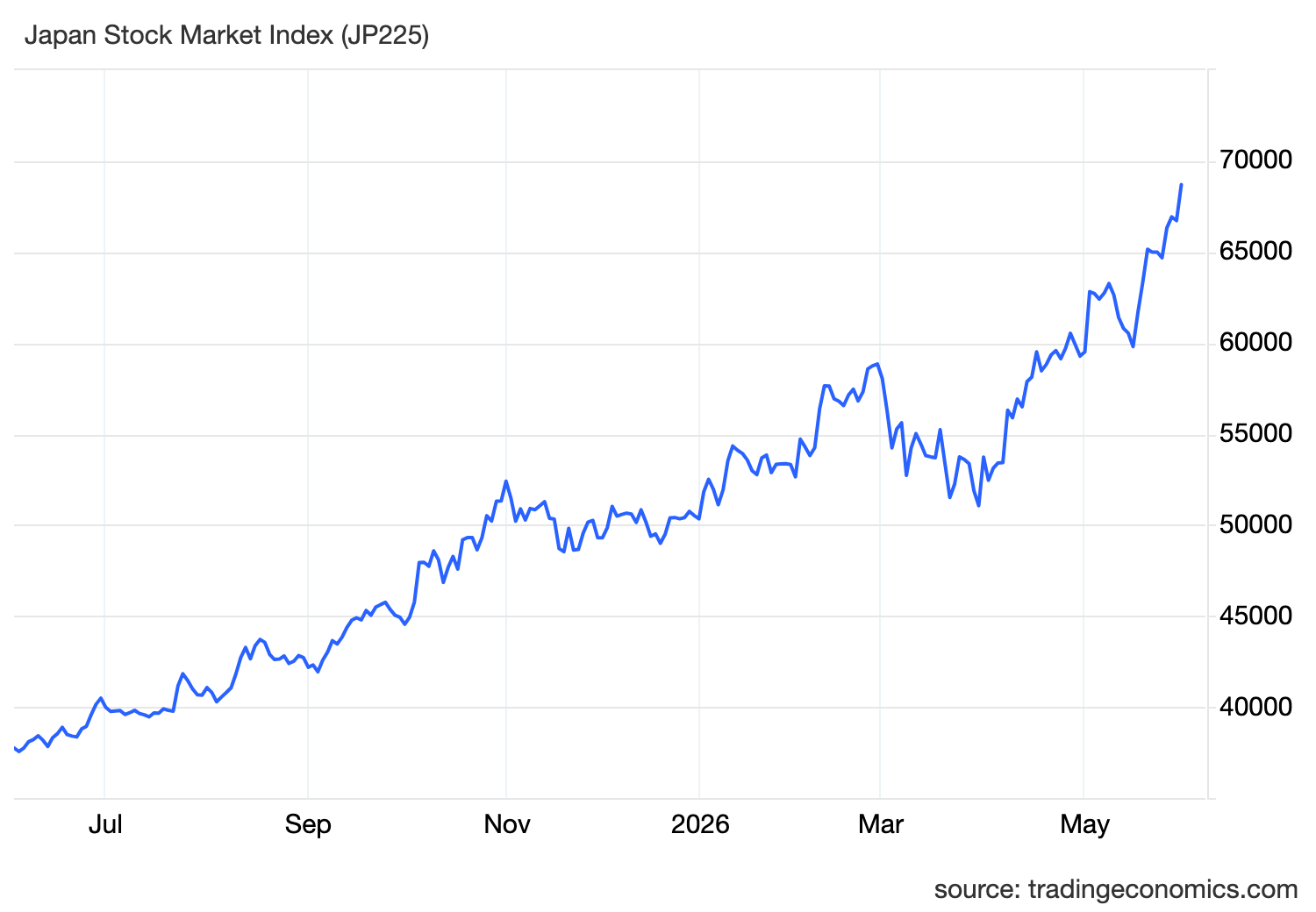
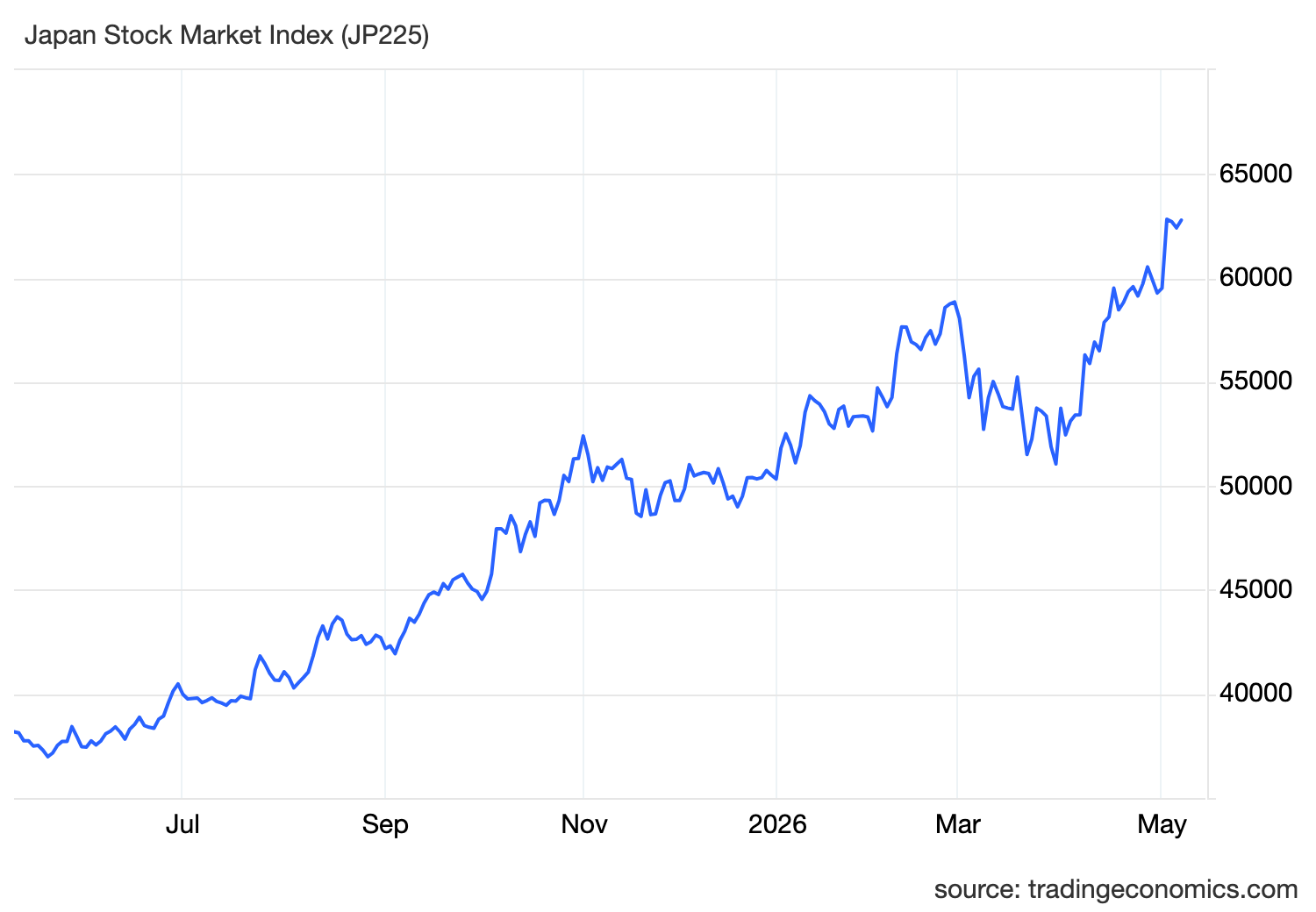
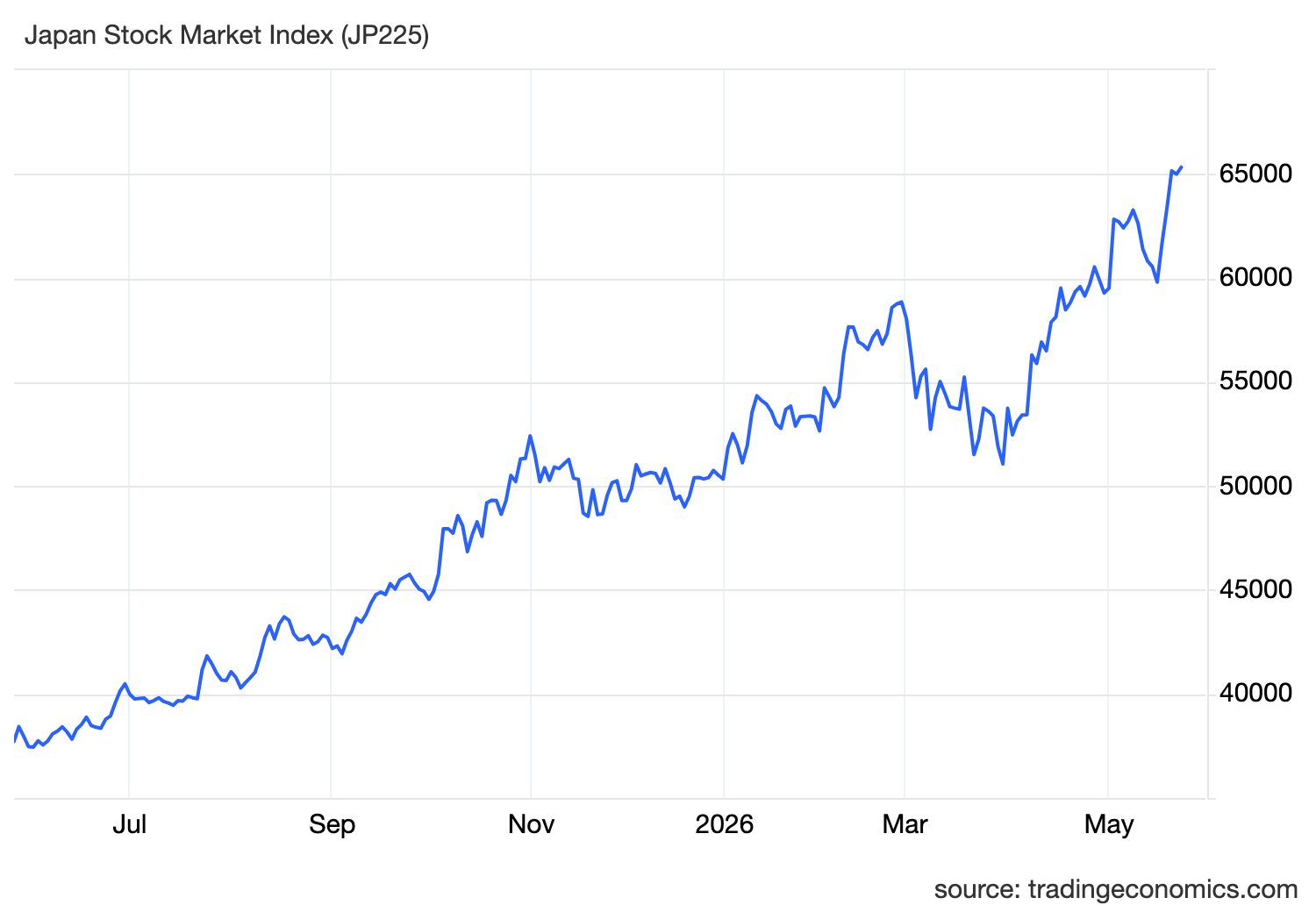
The Nikkei 225 jumped above 65,800, reaching fresh record levels, while the Topix also gained. The move followed a tech-led rally on Wall Street, where semiconductor and AI-related shares continued to attract flows. Reuters also reported that Japan’s Nikkei hit a record high as chip-related shares jumped, with investors concentrating on AI-linked names despite weaker performance in financials and real estate.
That tells you what the market is prioritizing.
Not banks.
Not domestic cyclicals.
Not broad index participation.
The rally is concentrated in technology, semiconductors and AI infrastructure.
Names like Advantest, Tokyo Electron, Lasertec, Kioxia and Fujikura are benefiting from the same global theme driving US tech: demand for chips, memory, advanced components, data centres and AI compute capacity. This is why Japan is not just trading as a domestic market right now. It is trading as part of the global AI supply chain.
But the macro backdrop is still doing work.
The second support is lower US Treasury yields.
That matters because high-growth technology stocks are highly sensitive to discount rates. When yields fall, future earnings become more valuable in today’s terms. That makes investors more comfortable paying up for AI names. When yields rise, the opposite happens.
So the Nikkei rally is being powered by two things at once.
AI earnings optimism.
And softer US yields.
The yield move is tied directly to the Iran story.
In recent weeks, US-Iran tensions pushed oil higher, lifted inflation expectations and forced markets to price a more hawkish Federal Reserve. That supported Treasury yields and the dollar, while weighing on risk assets.
Now markets are seeing some cautious optimism that a peace agreement could still happen. That has reduced some of the immediate oil shock premium, lowered inflation fear at the margin and helped Treasury yields ease. Reuters reported that global equities rose while oil and the dollar eased as investors reacted to improving Iran peace hopes, although the situation remained unresolved.
That is why Japanese equities can rally even with renewed hostilities still in the background.
Investors are not saying the risk is gone.
They are saying the probability of the worst-case energy shock may be lower than it was.
That helps risk sentiment.
It also explains why financial shares lagged.
Banks normally benefit from higher yields because wider rate spreads can support net interest margins. But when yields ease and investors rotate back into high-growth technology, financials lose relative momentum. That is why names like Mitsubishi UFJ, Sumitomo Mitsui and Mizuho weakened while chip-related stocks pushed the index higher.
This is a classic rotation.
Lower yields help tech.
Lower yields pressure banks.
The Bank of Japan is still a major risk for the next phase.
Japan’s inflation backdrop remains complicated because higher oil prices can feed into import costs, producer prices and household inflation expectations. If the Iran conflict worsens and oil rises again, the BoJ may face renewed pressure to hike. That could lift Japanese yields, support the yen and create a tougher backdrop for exporters and growth stocks.
For now, though, the market is leaning the other way.
Peace optimism is easing oil risk.
US yields are cooling.
AI demand remains strong.
That is enough to keep Japanese equities bid.
The yen matters too.
If US yields fall faster than Japanese yields, the yen can strengthen. A stronger yen can become a headwind for exporters because it reduces the value of overseas earnings when translated back into yen. But if the rally is driven by AI-linked earnings expectations rather than broad exporter currency effects, tech can still outperform.
That is what we are seeing.
This is not a clean all-market rally.
It is a focused AI and semiconductor rally, helped by a friendlier rates backdrop.
The main risk is that the macro chain reverses again.
If US-Iran talks fail, oil can rebound. If oil rebounds, inflation risk returns. If inflation risk returns, Treasury yields rise again. If yields rise again, the same discount-rate pressure that had been easing comes back onto technology stocks.
So the setup is strong, but not risk-free.
Japan’s record highs are being built on AI optimism and lower yields.
But the sustainability of the move still depends on oil, inflation and central-bank pricing.
Right now, the market is saying one thing clearly.
AI is still the growth trade.
Lower yields are giving it oxygen.
But geopolitics can still take that oxygen away if oil spikes again.
Filed under
Written by

Founder & CEO, GaphyToro
Philip Ogina is the Founder and CEO of GaphyToro, a trader-first performance ecosystem built to help modern traders improve through structure, discipline, data, and better execution. He is a trader, investor, market analyst, educator, and software builder focused on building tools and infrastructure for the next generation of traders.