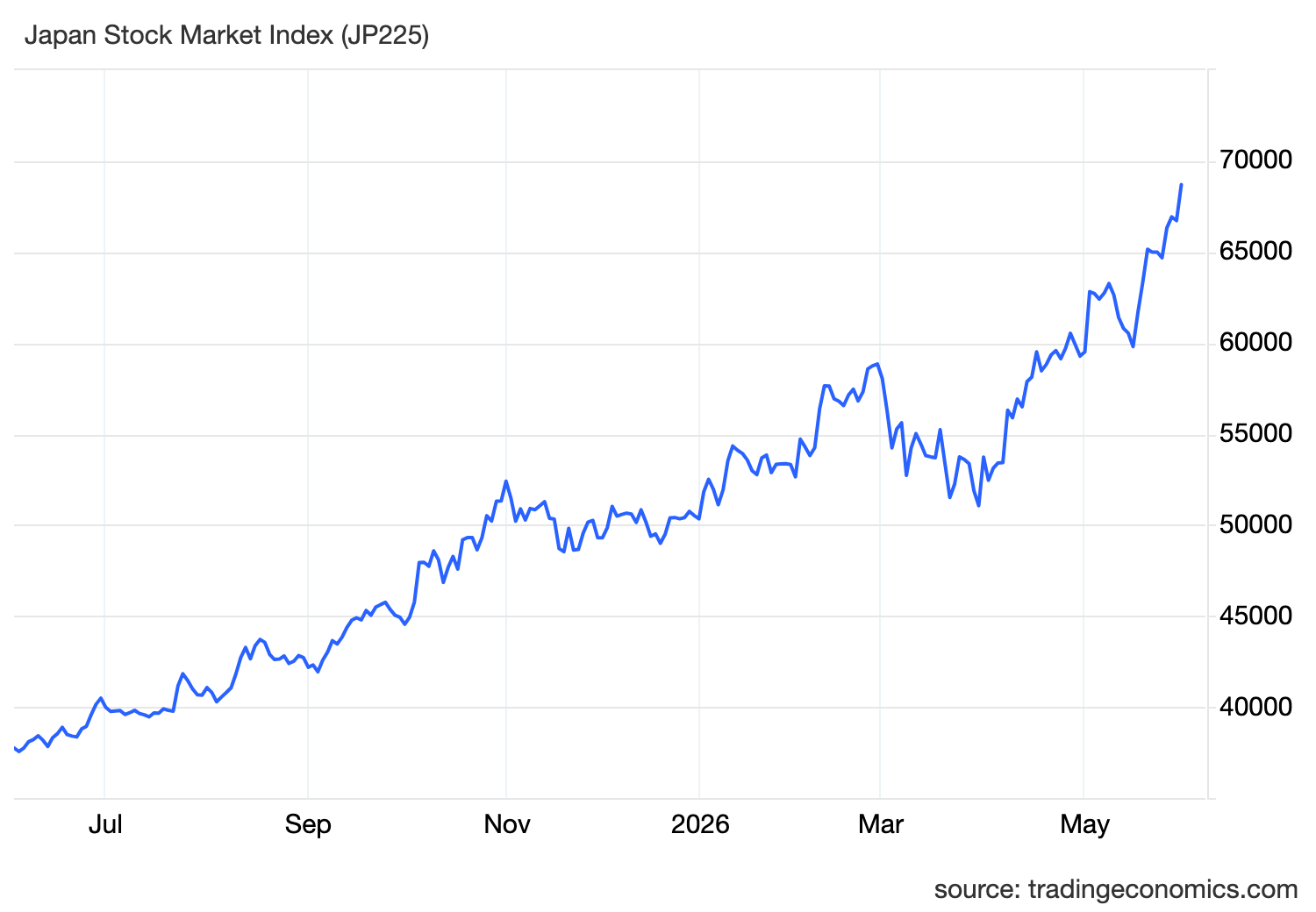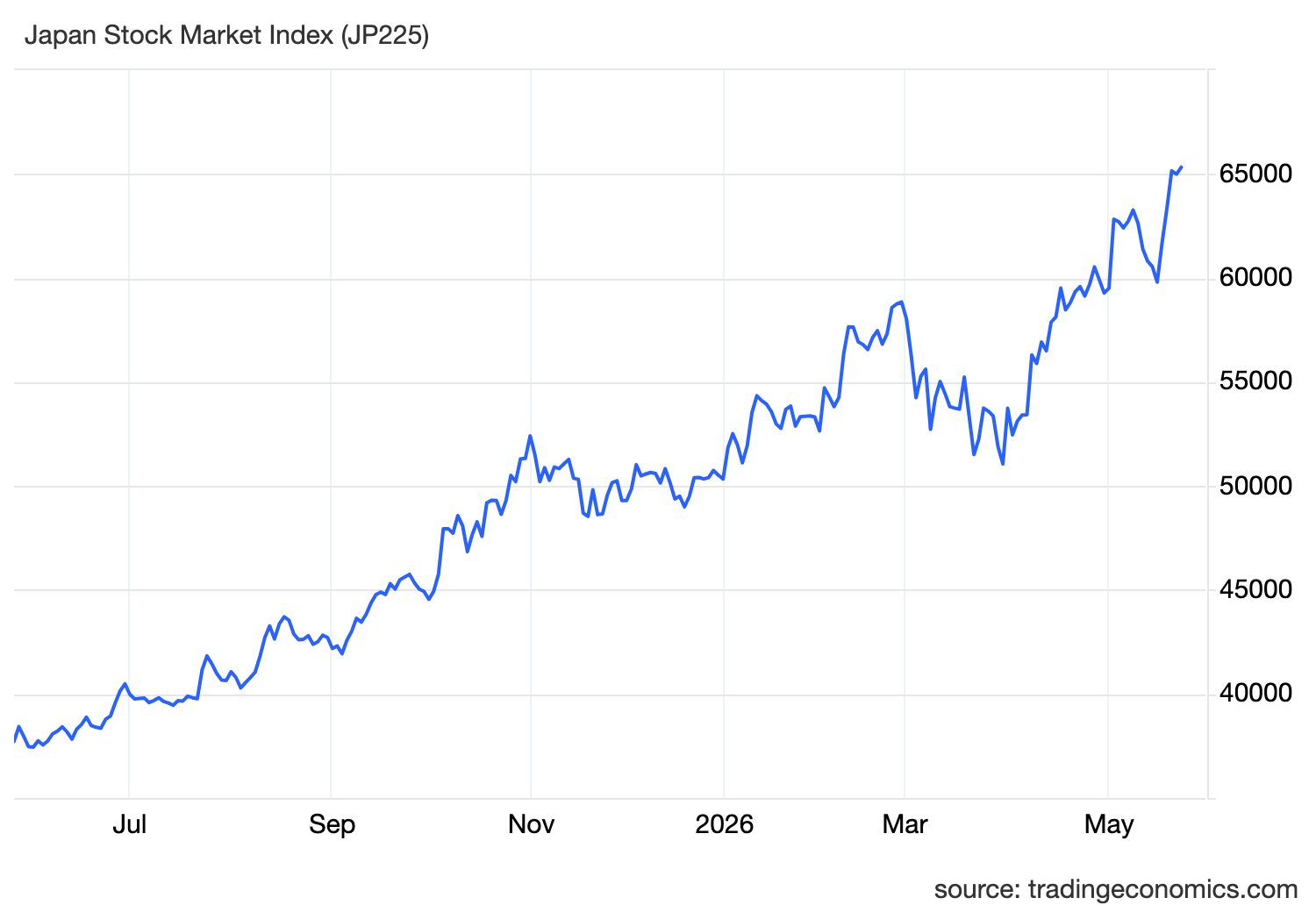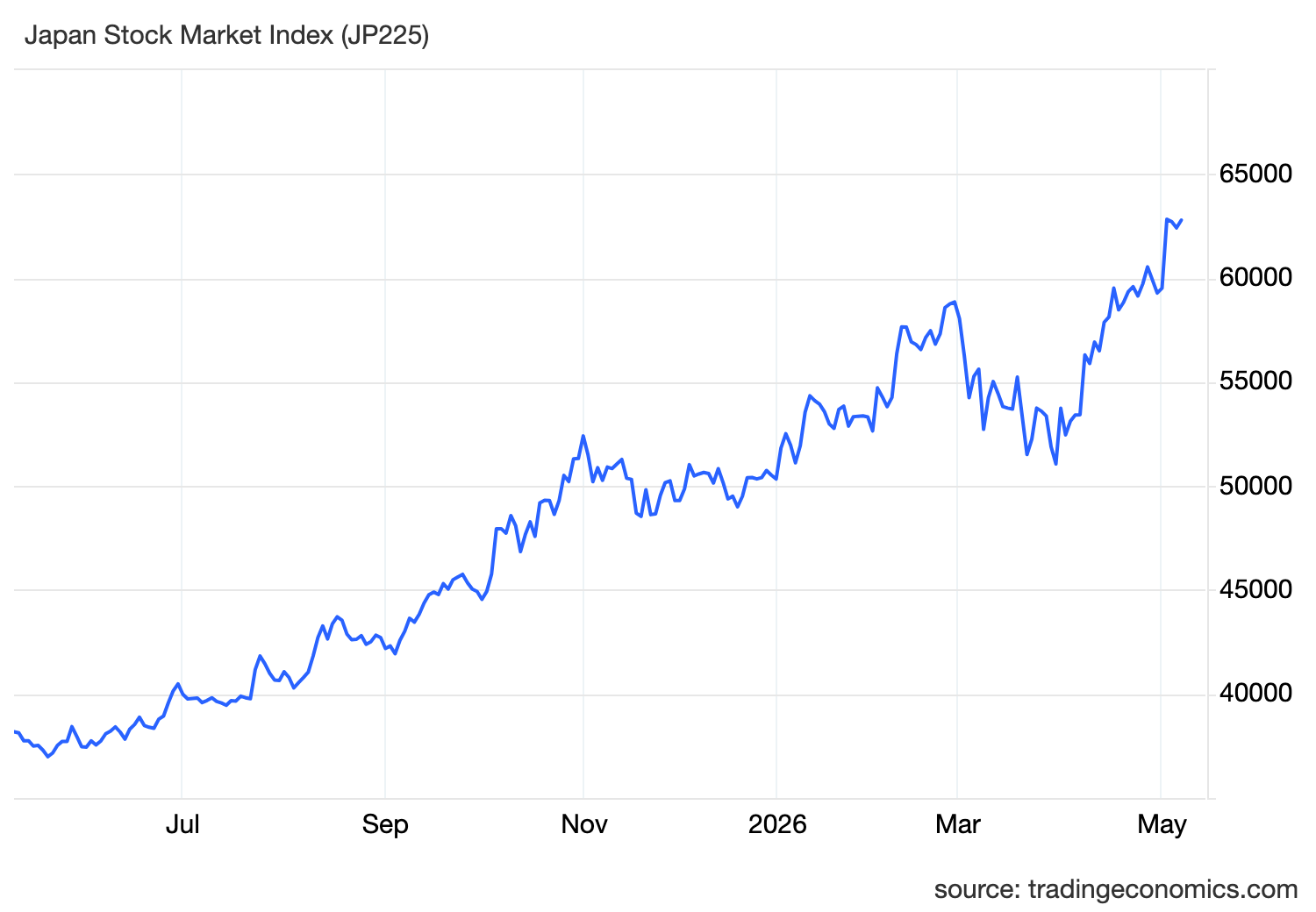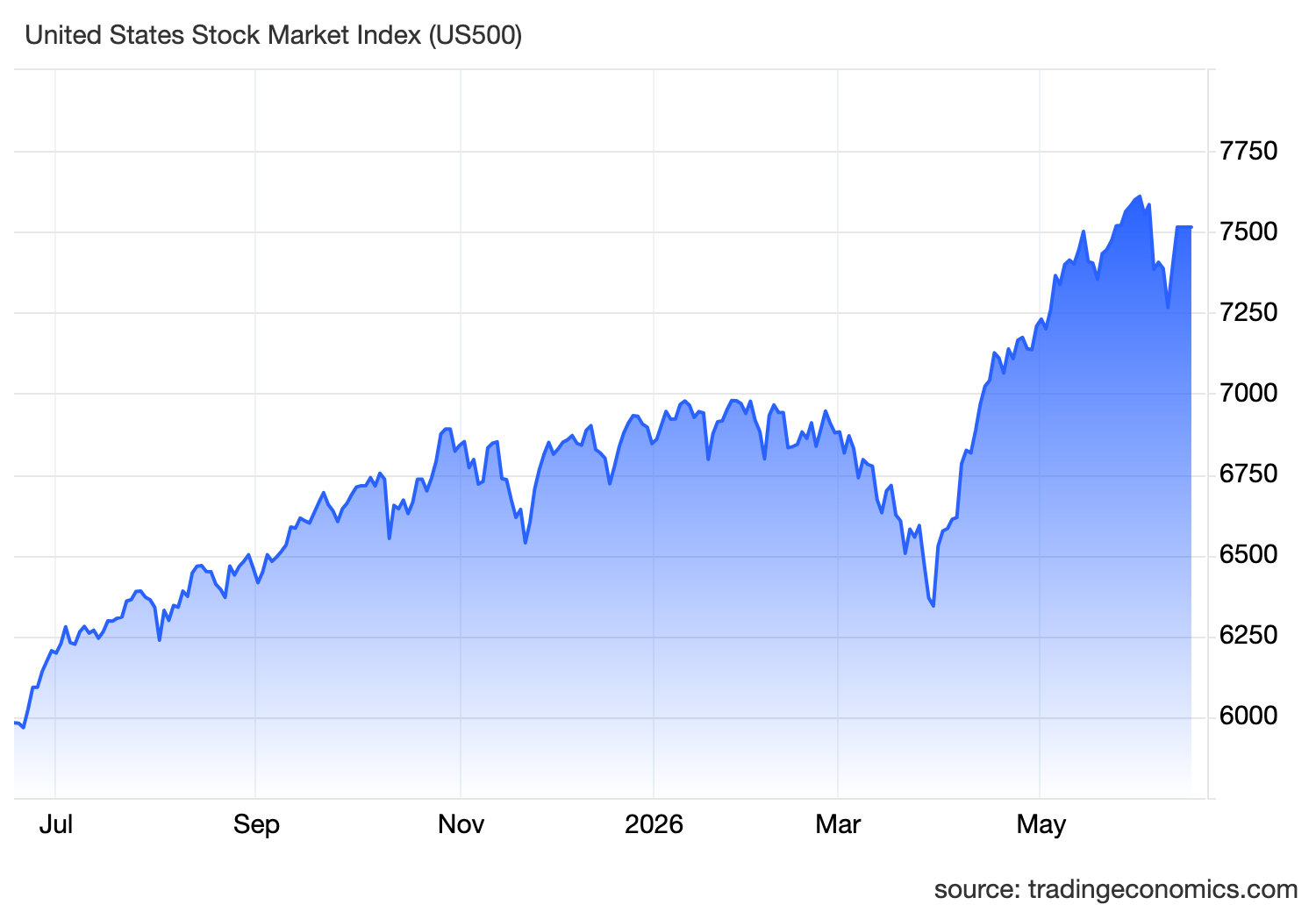
US stock futures are rallying because markets are pricing a major break in the oil-inflation-rates chain.
Dow and S&P 500 futures rose more than 1%, while Nasdaq 100 futures gained over 2% after investors welcomed a US-Iran peace agreement that could end the Middle East conflict and reopen the Strait of Hormuz. The deal is expected to be signed in Switzerland on June 19 and reportedly includes the lifting of blockades, sanctions relief for Iran and the dismantling of Tehran’s nuclear program.
This is not just a geopolitical headline. It is a macro reset.
For months, the near-closure of Hormuz kept oil markets under pressure because the strait is one of the world’s most important energy chokepoints. The disruption lifted crude prices, raised shipping and insurance costs and kept inflation expectations elevated. That created a difficult backdrop for equities because higher oil was feeding directly into the market’s fear of higher inflation and tighter monetary policy.
Now that pressure is easing.
Oil has fallen to a two-month low after the deal announcement. That matters because lower oil reduces the risk that energy costs keep pushing headline inflation higher. When oil falls, the pressure on fuel costs, transport, production and margins starts to ease. That gives bond markets a reason to reduce some of the inflation premium that had been built into yields.
That is why equities are responding positively.
The market is not simply celebrating peace. It is pricing lower inflation risk, lower yield pressure and a less aggressive Fed path.
This matters especially after recent US data had pushed investors toward a more hawkish view of the Federal Reserve. Inflation had accelerated, energy prices were doing most of the damage and strong labour data gave policymakers room to keep rates elevated. Before this deal, the market was increasingly focused on whether the Fed could raise rates before year-end.
The oil drop challenges that narrative.
It does not make rate cuts automatic. Inflation is still above target, and the Fed will not shift policy because of one oil move. But if Hormuz reopens and crude prices stay lower, the risk of another energy-driven inflation spike falls sharply. That weakens the case for a near-term hike and gives the Fed room to hold rather than tighten further.
That is the key equity signal.
A less hawkish Fed outlook helps risk assets because it reduces discount-rate pressure. Growth stocks benefit most because their valuations are highly sensitive to yields. When yields fall, future earnings become more valuable in today’s terms, and investors become more willing to pay for high-growth sectors.
That explains why Nasdaq futures are leading.
Technology and growth stocks are getting support from two sides at once. Lower oil is easing macro pressure, while investor appetite for high-profile growth names was already strong after SpaceX’s record-breaking IPO. The company’s debut, with a market capitalization above $2 trillion after a sharp first-day rally, sent a clear message that markets still have strong demand for major growth stories when liquidity conditions feel less hostile.
That is important for sentiment.
SpaceX did not cause the futures rally, but it reinforced the tone. Investors are not only reducing defensive positioning because of the Iran deal. They are also showing they are ready to re-engage with growth, innovation and large-cap risk when the macro backdrop improves.
Still, this rally should not be treated as risk-free.
The deal has to be signed. Hormuz has to reopen. Blockades have to be lifted. Iranian compliance around the nuclear program has to be verified. If any part of the process fails, oil can rebound quickly and inflation fears can return.
That is the main risk to the equity move.
If oil stays low, equities have room to extend. Lower energy prices help consumers, support corporate margins and reduce the pressure on central banks. If oil rebounds, the market goes straight back to the old problem: higher inflation, higher yields and a Fed with less room to stay patient.
The dollar also matters.
During the conflict, the dollar was supported by safe-haven demand and higher US yields. A peace deal weakens both supports. If the dollar softens and yields cool, that improves global liquidity conditions and supports risk appetite, especially in emerging markets and multinational US companies.
Gold is more complicated.
A peace deal reduces safe-haven demand, which is negative for gold. But lower oil can also reduce inflation pressure and bring yields down, which is positive for bullion. The next move in gold depends on whether investors focus more on fading fear or lower real yields.
For equities, the current setup is clearer.
Lower oil reduces inflation pressure. Lower inflation pressure reduces Fed hike risk. Lower Fed hike risk supports yields and valuations. That is why futures are rallying.
The current market message is simple.
The Iran deal has not solved every risk, but it has removed the biggest source of inflation pressure from the market narrative. That gives equities room to breathe, especially growth and technology shares.
The rally is real, but the confirmation still has to come from execution.
If the June 19 signing happens and Hormuz reopening begins, this could mark a meaningful shift from inflation fear back toward risk appetite.
If the deal stalls, the market will price the oil shock back in fast.
Filed under
Written by

Founder & CEO, GaphyToro
Philip Ogina is the Founder and CEO of GaphyToro, a trader-first performance ecosystem built to help modern traders improve through structure, discipline, data, and better execution. He is a trader, investor, market analyst, educator, and software builder focused on building tools and infrastructure for the next generation of traders.