The Federal Reserve held interest rates steady, but the vote made clear that patience inside the central bank is becoming increasingly fragile.
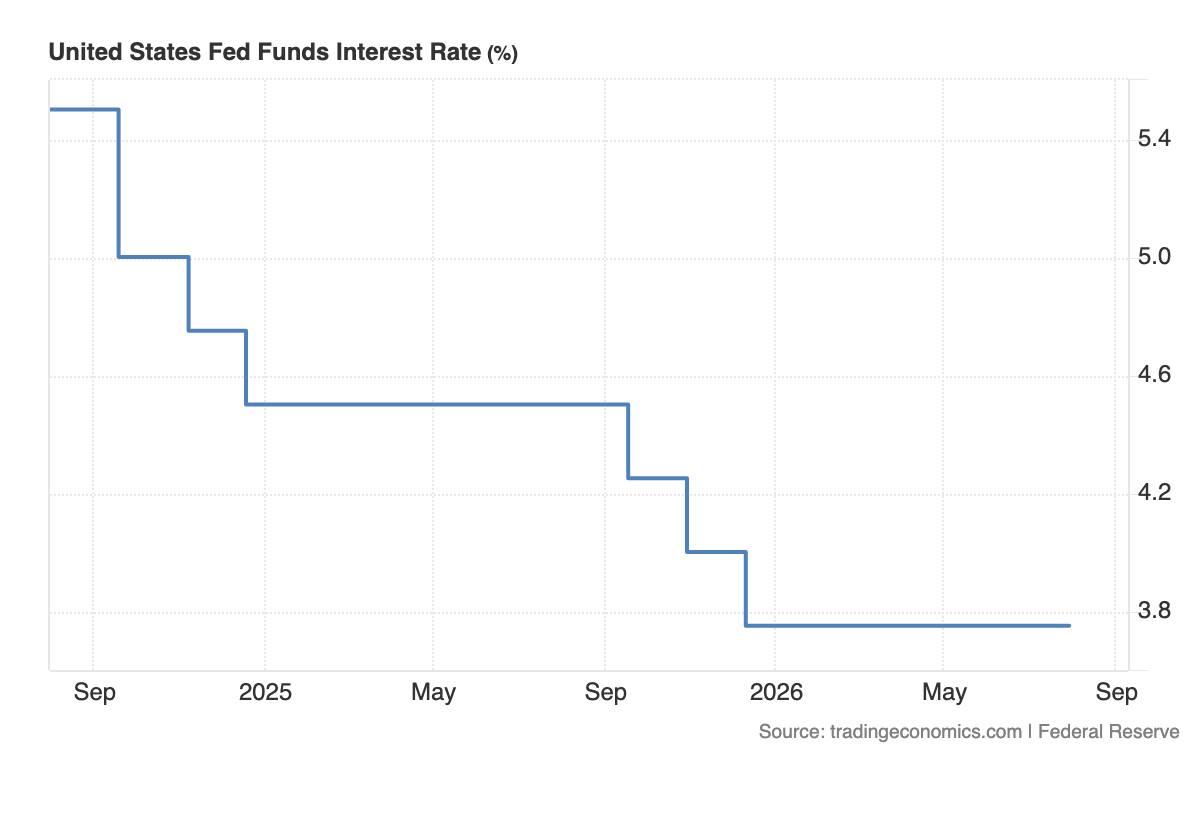
The federal funds rate remained at 3.50% to 3.75% for a fifth consecutive meeting. That decision was broadly expected, even though markets had assigned a meaningful probability to an immediate increase.
The real story was not the hold.
It was the three dissenting votes.
Beth Hammack, Neel Kashkari and Lorie Logan all preferred to raise the policy rate by 25 basis points. Their opposition turned what could have been treated as another routine pause into a distinctly hawkish hold.
The decision shows that the committee has not reached a comfortable consensus on inflation.
A majority still believes the Fed can wait for more evidence before tightening again. However, a significant minority now believes the current combination of elevated inflation, resilient economic activity and supply-driven price pressure already justifies action.
That distinction matters for September.
Three dissents do not guarantee that the Fed will raise rates at its next meeting. The majority still voted to hold, and officials will receive additional inflation, employment and economic activity data before making another decision.
But the bar for a September increase is now lower.
The committee no longer needs a dramatic deterioration in the inflation outlook to justify tightening. A few firm price reports, another rise in oil or continued strength in domestic demand could be enough to shift additional members toward the dissenting camp.
The Fed’s description of the economy explains why that possibility remains credible.
Officials said economic activity continues to expand at a solid pace despite uncertainty related partly to the Middle East conflict. Productivity growth and capital investment remain strong. Job gains have kept pace with growth in the workforce, while unemployment has changed little.
This is not the profile of an economy that urgently needs monetary support.
Growth may not be accelerating everywhere, but the economy remains resilient enough for the Fed to continue prioritising inflation.
Strong productivity is particularly important.
Higher productivity can help reduce inflation over time because businesses can produce more output without increasing labour costs at the same rate. It can support stronger real wages, better margins and a higher sustainable rate of economic growth.
However, productivity does not automatically eliminate the near-term inflation problem.
Strong capital investment, particularly in technology, artificial intelligence, data centres and infrastructure, can also support demand for labour, electricity, equipment and construction. The long-term supply benefits may be disinflationary, while the immediate investment cycle can keep parts of the economy firm.
That leaves the Fed dealing with a mixed signal.
The economy’s productive capacity appears to be improving.
Current inflation is still too high.
The labour market provides another reason the Fed can remain patient without becoming dovish.
Job gains have kept pace with the workforce and the unemployment rate has changed little. That suggests labour demand and supply are broadly balanced rather than deteriorating sharply.
The Fed therefore does not face an obvious employment emergency.
A much weaker labour market would make another increase difficult to justify. Officials would need to consider whether tighter policy could deepen job losses or unnecessarily weaken household demand.
That is not yet the central scenario described in the statement.
Instead, the committee sees an economy that continues to expand while inflation remains elevated relative to its 2% objective.
The Middle East conflict remains central to that inflation problem.
Supply disruptions have lifted prices in energy and other affected sectors. Even when oil production remains available, threats to shipping, infrastructure, insurance and transportation can reduce effective supply and increase the cost of delivering energy to consumers.
Those costs do not remain isolated inside the oil market.
Higher energy prices affect transport, aviation, manufacturing, chemicals, agriculture and food distribution. Businesses facing higher fuel and freight expenses may eventually pass part of those increases to consumers.
The Fed must determine whether this remains a temporary relative-price shock or begins spreading into broader inflation expectations, wages and services.
That is the policy divide reflected in the vote.
The majority appears willing to wait and assess whether energy pressure fades without becoming embedded.
The dissenters appear more concerned that waiting could allow inflation to remain above target for longer and weaken the Fed’s price-stability credibility.
Both positions have a reasonable economic basis.
Raising rates cannot produce more oil or repair disrupted shipping routes. Monetary policy is not capable of directly solving a supply shock.
However, the Fed can influence how that shock spreads through the economy.
If households and businesses begin expecting persistent inflation, wage negotiations and pricing decisions can reinforce the original increase. The central bank may then need to tighten demand to prevent a temporary shock from becoming a sustained inflation problem.
The difficulty is that acting too aggressively carries its own risk.
Another increase would raise borrowing costs across housing, business investment and consumer credit. It could weaken an economy that remains solid today but may already be slowing beneath the headline figures.
That is why the hold should not be dismissed as indecision.
It reflects an attempt to preserve flexibility while the committee evaluates whether inflation persistence or economic weakness becomes the more urgent risk.
Kevin Warsh’s communication approach makes that flexibility even more important.
The Fed is no longer giving markets the same degree of traditional forward guidance. Officials are placing more emphasis on incoming evidence rather than providing a guaranteed roadmap several meetings in advance.
Markets should therefore avoid treating the July decision as a promise to hold in September.
The committee has left both outcomes open.
The hawkish path requires inflation to remain firm while the economy continues absorbing restrictive policy.
If oil stays elevated, core inflation remains sticky and employment remains stable, additional tightening becomes easier to justify. The three July dissenters would then begin from a stronger position, and other officials could join them.
The hold path requires the pressure to ease.
Lower oil, softer core inflation or a clearer deterioration in the labour market would give the majority a stronger argument for keeping rates unchanged. If the energy shock fades without spreading more broadly, the Fed may conclude that another increase would create unnecessary damage.
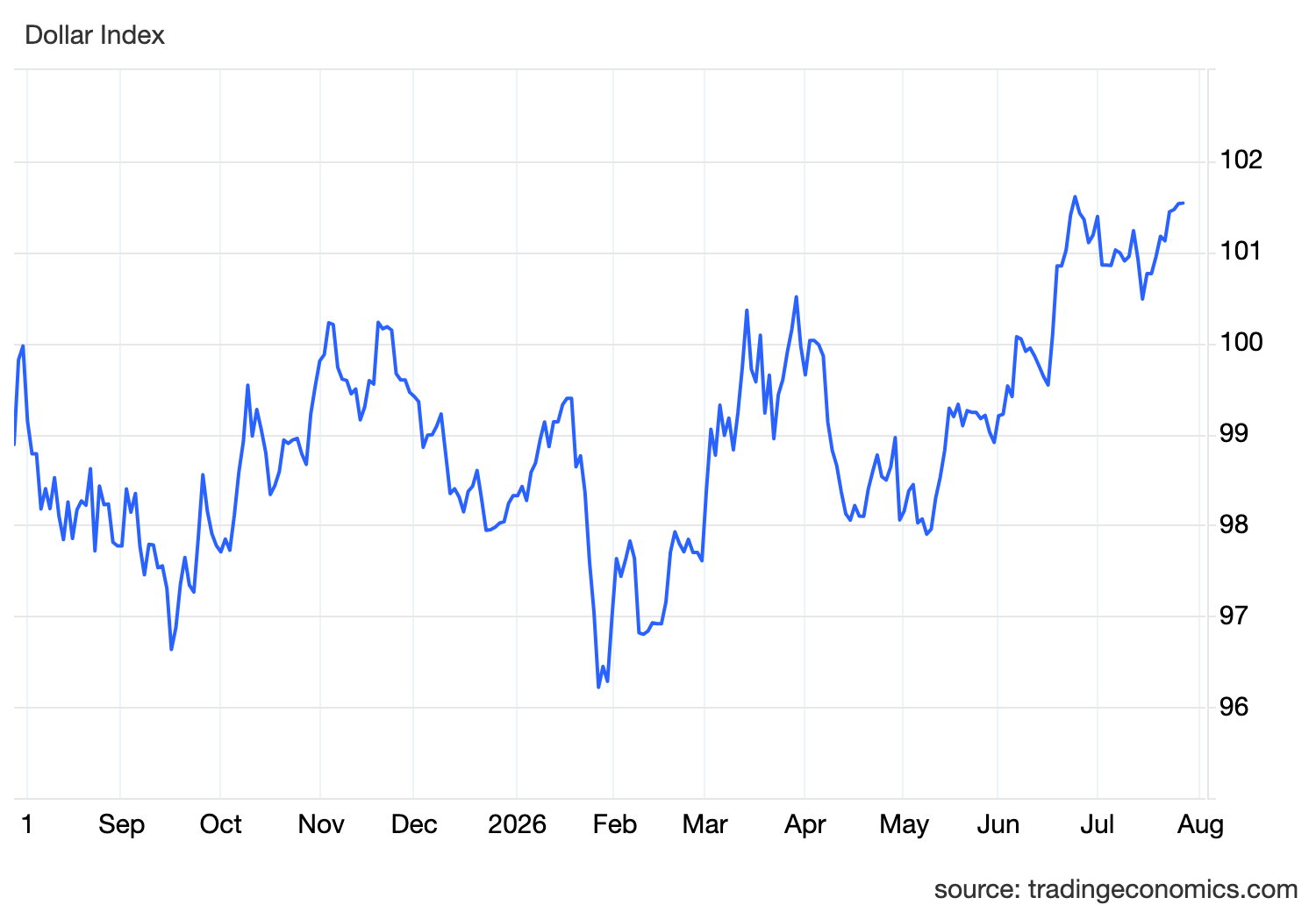
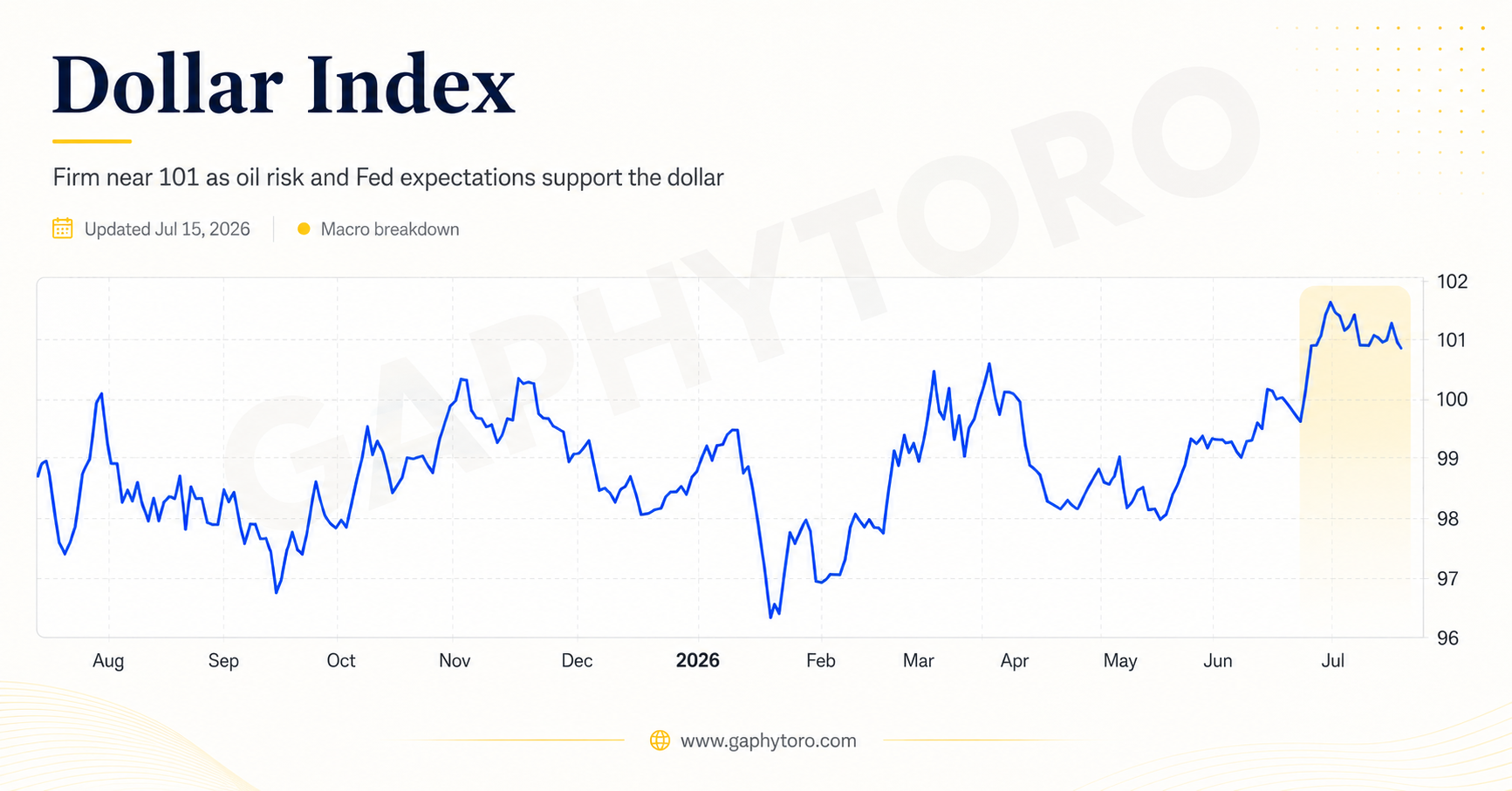
For the dollar, the divided decision provides underlying support.
The Fed did not raise rates, which can initially limit the currency’s upside. But the presence of three dissenters prevents markets from confidently removing further tightening from the outlook.
If September hike expectations rise, US yields and the dollar should remain supported.
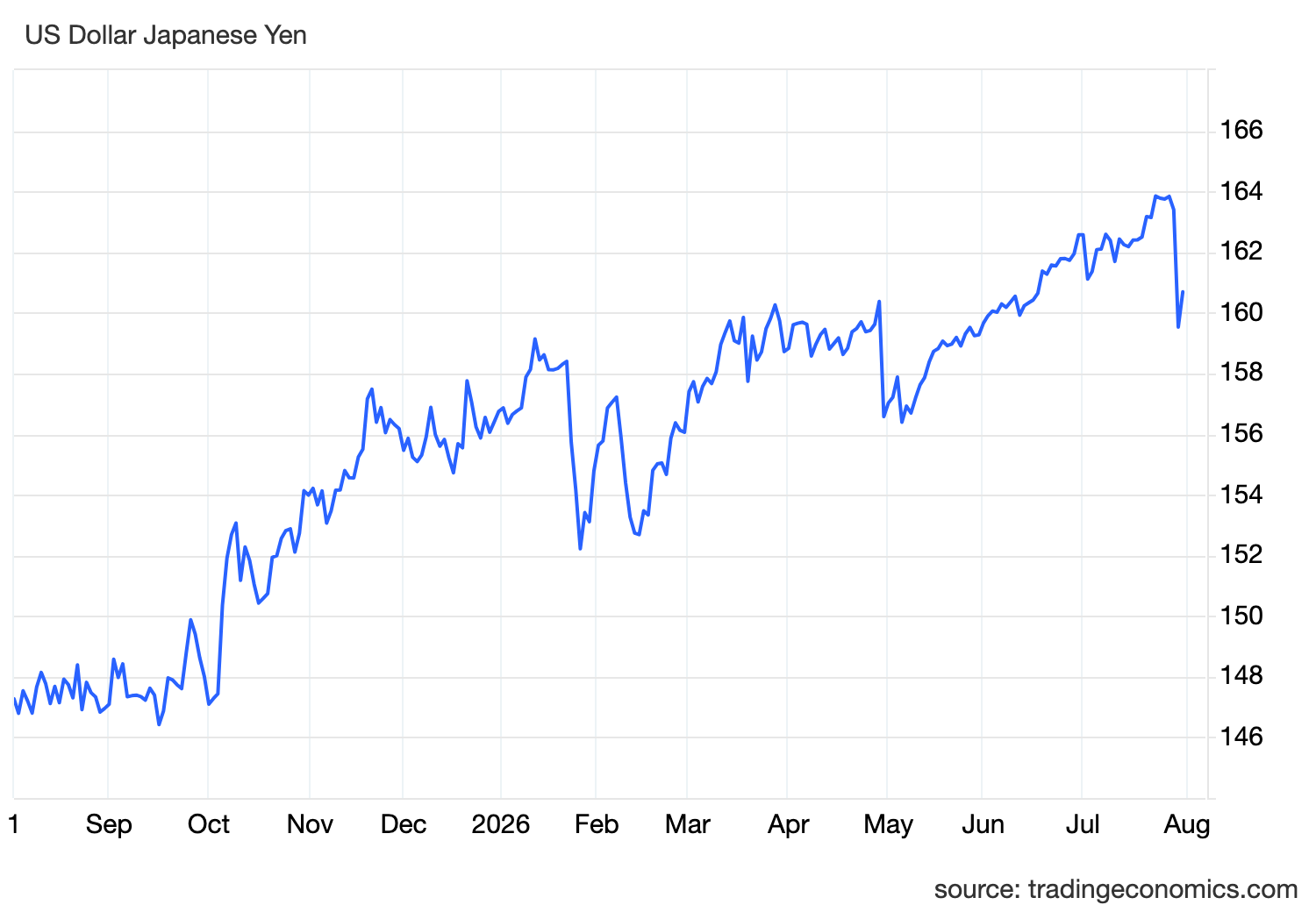
The yen may remain particularly vulnerable because the US-Japan rate gap is already wide. Another Fed increase would reinforce the incentive to hold dollar assets and fund positions in lower-yielding currencies.
Gold faces the opposite pressure.
Bullion benefits when geopolitical risk increases demand for protection, but this conflict has repeatedly affected gold through inflation and interest rates. If oil keeps inflation elevated and strengthens the case for a Fed increase, higher real yields can outweigh safe-haven demand.
Equities face a more balanced reaction.
The hold avoids an immediate tightening shock and provides temporary relief to valuations. However, the dissents remind investors that the policy environment remains restrictive and that another increase could arrive if inflation stays firm.
Highly valued technology and growth shares remain sensitive to this risk because higher yields reduce the present value of future earnings.
Banks may benefit from higher rates through improved lending margins, but a more restrictive policy path could eventually weaken loan demand and increase credit stress.
The Treasury market may provide the clearest signal of how investors interpret the decision.
If short-term yields rise and the curve prices a higher probability of a September increase, markets are treating the dissents as a genuine warning.
If yields fall despite the divided vote, investors are placing greater weight on patience, softer future inflation or the belief that the majority will continue resisting another increase.
The next round of data will therefore matter more than commentary alone.
CPI and PCE will show whether inflation remains broad or is becoming increasingly concentrated in energy.
Payrolls and unemployment will determine how much room the Fed has to tighten.
Retail sales and broader demand indicators will reveal whether households are still absorbing higher prices and borrowing costs.
Oil and shipping conditions will show whether the Middle East supply shock is easing or preparing another inflation impulse.
The July decision did not settle the debate.
It exposed it.
The majority believes the Fed can afford to wait.
Three officials believe waiting has already gone far enough.
That makes September a live meeting, but not a predetermined hike.
The central takeaway is clear.
The Fed held rates steady, yet the committee moved closer to tightening.
The headline was patience.
The vote was a warning.
Powered by GaphyToro
GaphyToro is an AI trading journal and trader-development platform built for forex and prop traders.
Import trades from MT4 and MT5, document your reasoning, attach screenshots, track psychology, analyse execution and review how major events such as this Federal Reserve decision affected your own performance.
Journal the trade. Review the decision. Improve with data.
Filed under
Written by

Founder & CEO, GaphyToro
Philip Ogina is the Founder and CEO of GaphyToro, a trader-first performance ecosystem built to help modern traders improve through structure, discipline, data, and better execution. He is a trader, investor, market analyst, educator, and software builder focused on building tools and infrastructure for the next generation of traders.