The Federal Reserve did exactly what markets expected.
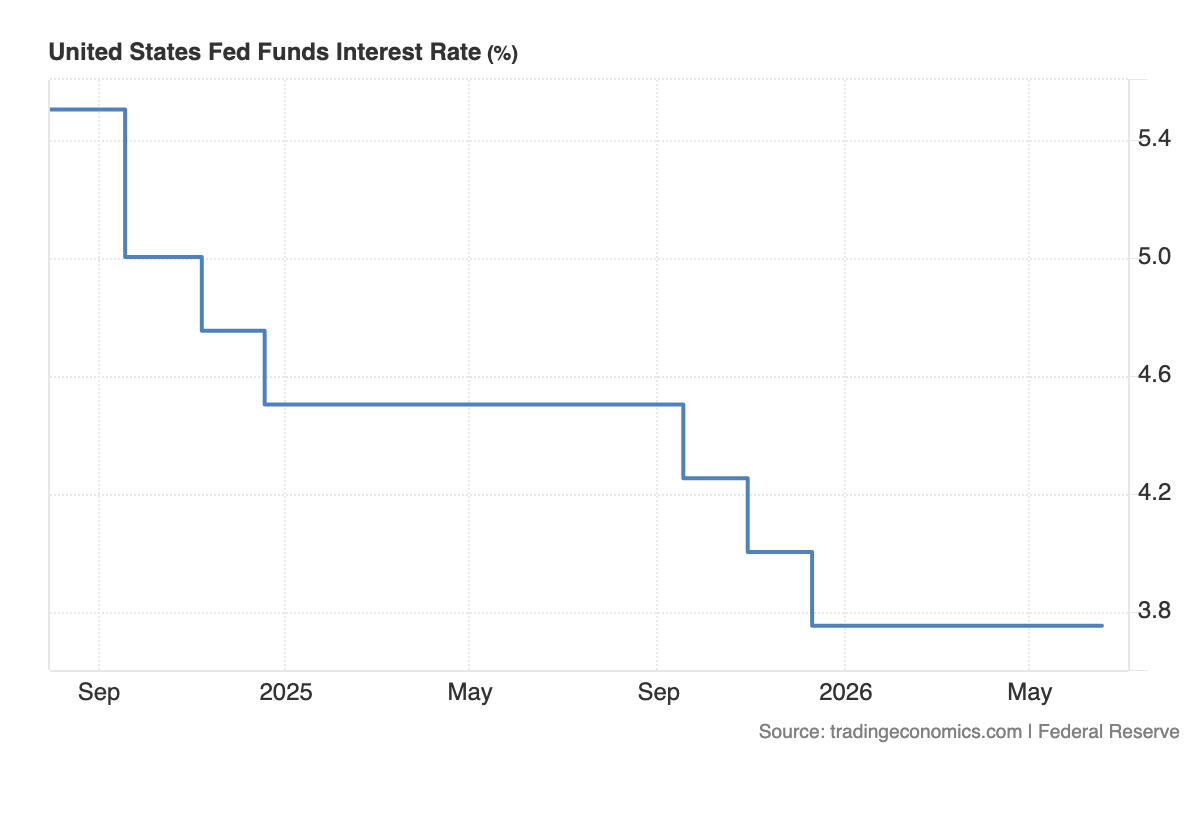
It left the federal funds rate unchanged at 3.50%-3.75% for a fourth consecutive meeting.
What markets did not expect was how concerned policymakers remain about inflation.
The first meeting under new Chair Kevin Warsh produced one of the most important shifts in the Fed's economic projections since the Iran conflict triggered a global energy shock earlier this year. While the central bank made no change to rates, officials significantly upgraded their inflation forecasts and signaled that additional tightening remains a realistic possibility.
That matters far more than the decision itself.
The Fed now expects PCE inflation to reach 3.6% this year, up sharply from the 2.7% forecast published in March. The 2027 projection was also lifted to 3.3% from 2.7%.
Those are substantial revisions.
They confirm that policymakers believe the inflation shock created by the disruption of energy markets has become more persistent than previously expected.
The transmission mechanism is straightforward.
The conflict in the Middle East disrupted flows through the Strait of Hormuz, a corridor responsible for roughly one-fifth of global oil shipments. The resulting surge in energy prices filtered through transportation, manufacturing, logistics and household consumption.
The evidence has already appeared in the data.
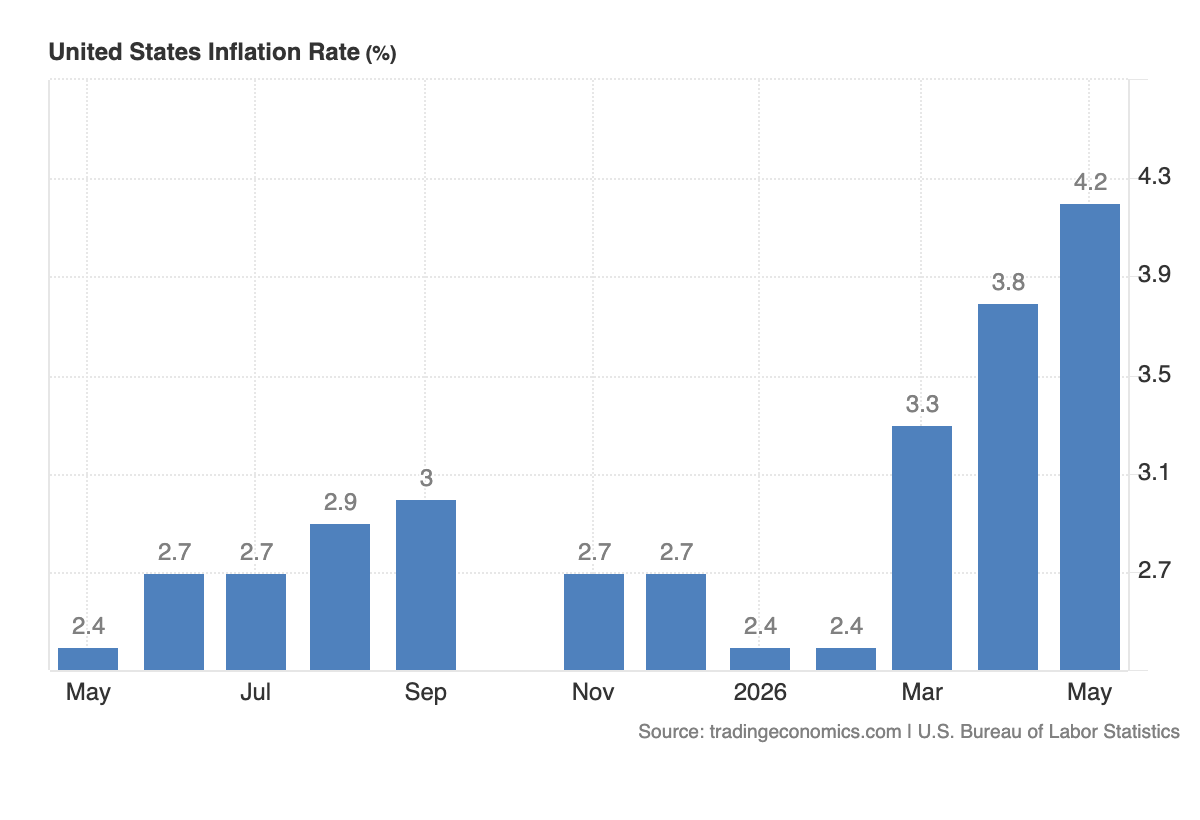
US CPI accelerated to 4.2% in May, the highest reading since 2023. Producer prices recorded their fastest increase since 2022. Energy prices were responsible for much of the increase, but inflation pressures also broadened into shelter and food categories.
The Fed is now acknowledging what the data has been signaling for months.
Inflation is no longer moving toward target as smoothly as policymakers expected at the start of the year.
At the same time, growth has not deteriorated enough to justify easier policy.
The Fed lowered its 2026 GDP growth forecast to 2.2% from 2.4%, but that still represents a relatively healthy pace of expansion. Officials noted that economic activity continues to grow at a solid rate and that labor market conditions remain resilient.
Recent economic releases support that assessment.
Payroll growth surprised to the upside. Job openings climbed to their highest level in nearly two years. Consumer spending has moderated but remains positive. The economy is slowing from exceptionally strong levels, not collapsing.
That combination is precisely what makes the Fed's job difficult.
Growth is slowing modestly.
Inflation is accelerating.
The result is a policy environment where rate cuts become difficult to justify.
That reality was reflected in the updated rate projections.
Nine policymakers now expect at least one rate hike before year-end, with six of those expecting two or more increases. Another nine officials anticipate either no change or eventual easing.
The split highlights the growing debate inside the central bank.
One group sees inflation becoming entrenched and believes additional tightening may be required.
The other sees the economy gradually cooling and expects inflation pressures to fade as energy markets stabilize.
Kevin Warsh's absence from the projections adds another layer of uncertainty.
Unlike other officials, the new Chair did not submit a rate forecast, leaving markets without a direct signal regarding his policy preferences. Investors will therefore focus heavily on future speeches and press conferences to determine where he stands within the committee.
The broader global backdrop makes the decision even more significant.
The Bank of Japan raised rates to 1.0% this week, citing inflation concerns and a weaker yen. The European Central Bank recently delivered its first rate increase since 2023 after sharply upgrading inflation forecasts. Meanwhile, the Reserve Bank of Australia remains on hold but continues monitoring inflation risks closely.
In other words, the global policy cycle is no longer moving toward easing.
Central banks are becoming increasingly concerned that the energy shock may leave inflation elevated for longer than expected.
Markets have already begun adjusting.
Treasury yields rose sharply following recent CPI and PPI releases as investors priced out any remaining chance of rate cuts this year. Before the inflation data, markets still expected some easing in 2026. Today, traders are debating whether the Fed's next move could ultimately be another hike.
The dollar has benefited from that shift.
Higher expected rates support US yields, attracting capital flows into dollar-denominated assets. The greenback has also received support from safe-haven demand throughout the Middle East conflict.
However, that dynamic could become more complicated going forward.
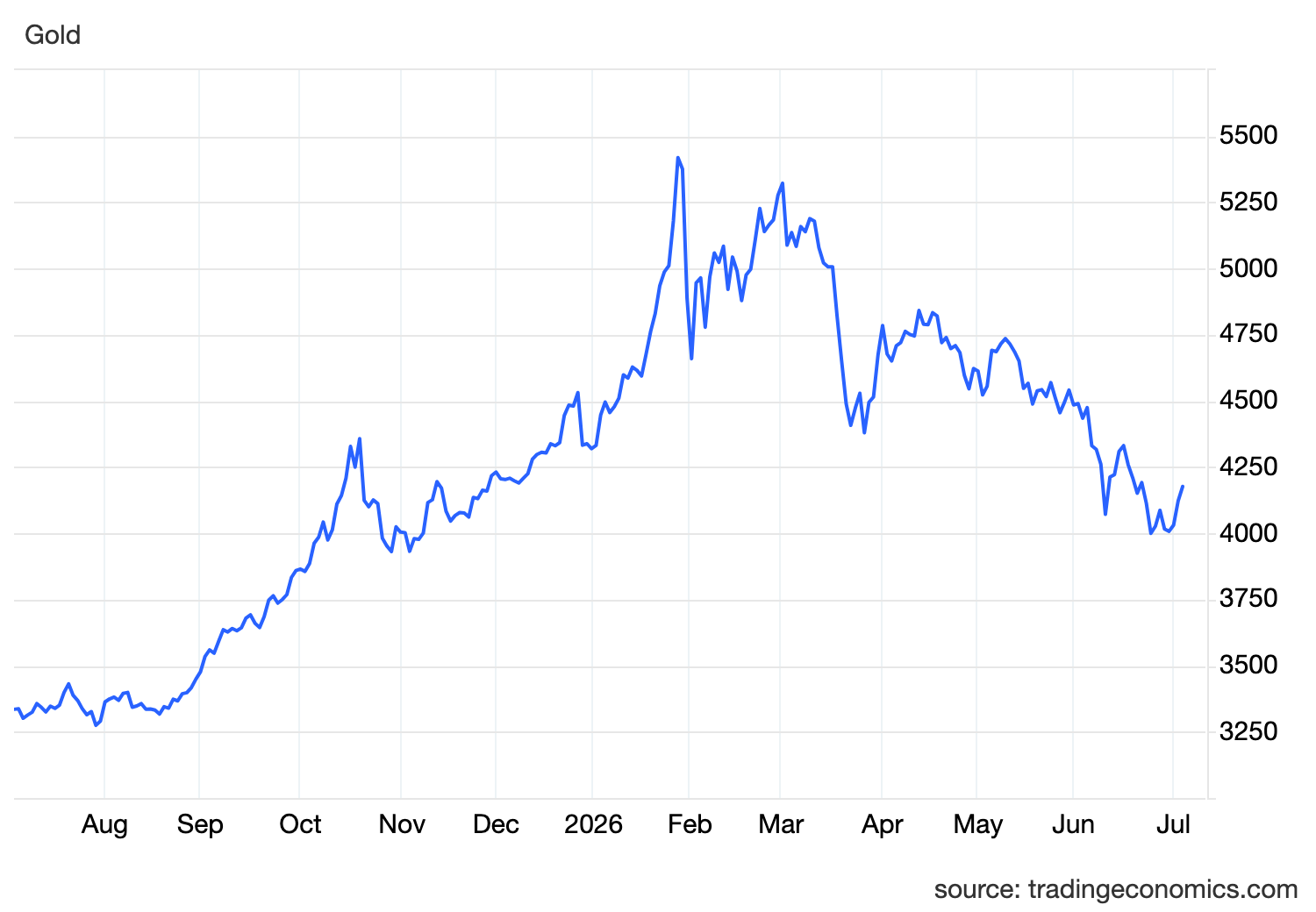
The US-Iran peace agreement scheduled for signing this week has already pushed oil prices sharply lower. If Hormuz fully reopens and energy markets normalize, the inflation impulse that drove recent price pressures may begin fading later this year.
That creates the next major question for investors.
Will inflation remain elevated even after oil prices retreat?
Or has the worst of the inflation shock already passed?
The Fed's projections suggest policymakers are not yet convinced that the problem is solved.
That is the key takeaway from this meeting.
The Fed did not raise rates.
But it became significantly more concerned about inflation.
And as long as inflation remains elevated while growth and employment remain resilient, the possibility of further tightening remains very much alive.
Filed under
Written by

Founder & CEO, GaphyToro
Philip Ogina is the Founder and CEO of GaphyToro, a trader-first performance ecosystem built to help modern traders improve through structure, discipline, data, and better execution. He is a trader, investor, market analyst, educator, and software builder focused on building tools and infrastructure for the next generation of traders.