The dollar is weakening because one of its strongest support pillars has just been hit.
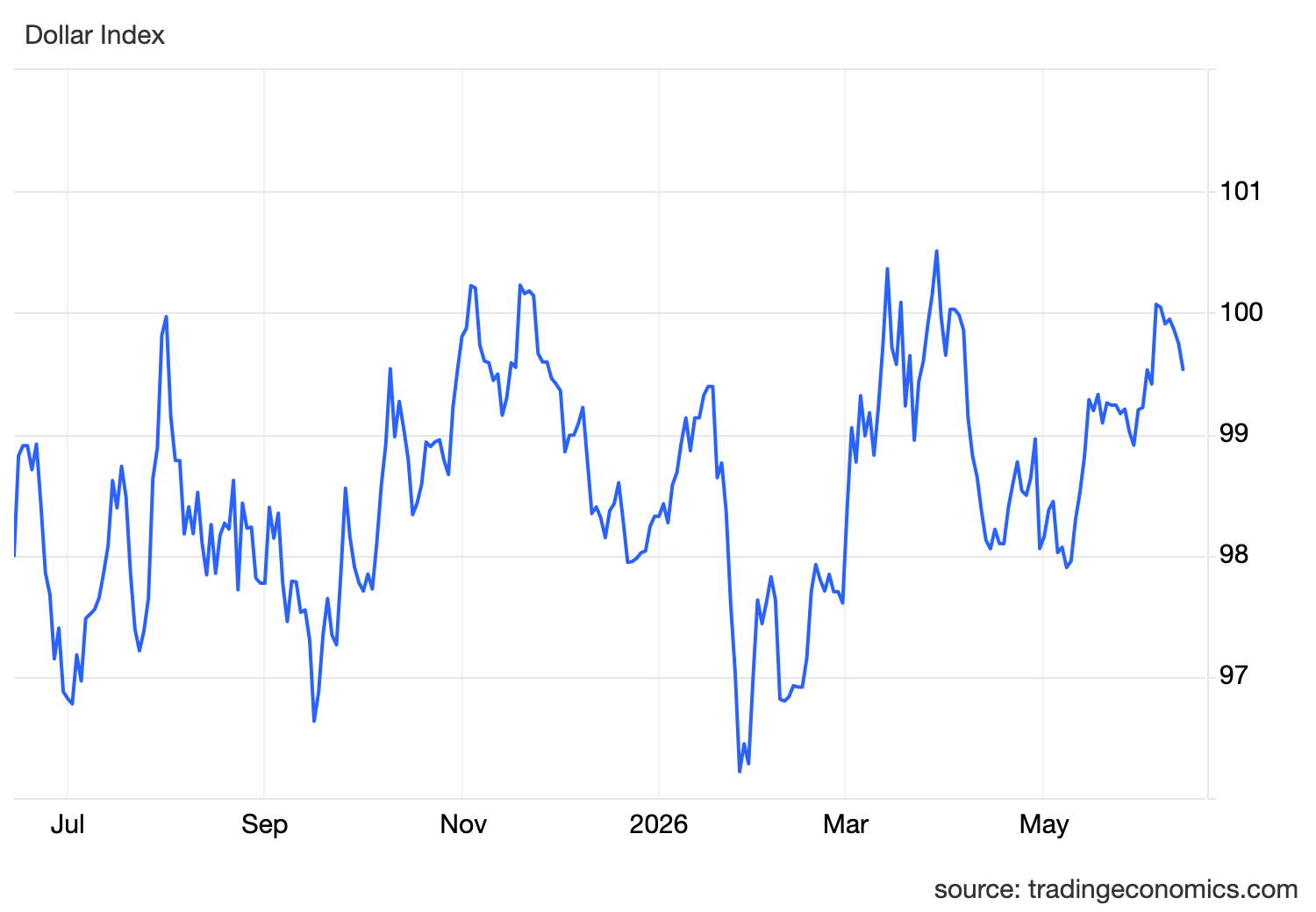
The dollar index slipped toward 99.5 after the US and Iran reached a peace agreement that could restore access through the Strait of Hormuz and end months of disruption to Persian Gulf energy flows. That matters because the dollar had been supported by two forces during the conflict: safe-haven demand and higher US yields linked to oil-driven inflation.
Both are now under pressure.
The peace agreement reduces the immediate need for defensive dollar positioning. When the Middle East conflict was escalating, investors used the dollar as protection against geopolitical risk, energy disruption and tighter global financial conditions. Now that Washington and Tehran are moving toward a formal signing in Switzerland, that defensive bid is fading.
The bigger macro channel is oil.
Crude prices dropped to a two-month low after the agreement, as markets priced the possible reopening of Hormuz and the lifting of the US blockade on Iranian ports. That is a major shift because Hormuz carries roughly one-fifth of global oil shipments. When the strait was restricted, oil prices surged, inflation expectations rose and bond yields moved higher.
Now that chain is starting to reverse.
Lower oil reduces inflation pressure. Lower inflation pressure reduces the need for investors to demand higher yields. Lower yields reduce the dollar’s rate advantage. That is why the dollar is slipping even before the deal is formally signed.
This is not only a currency story. It is a full macro reset.
During the conflict, the market was pricing a difficult inflation backdrop. Energy costs pushed CPI, PPI and PCE higher, while resilient US labour data made it harder for the Fed to justify easing. That combination pushed traders toward a higher-for-longer Fed view, and at times even revived expectations of a possible rate hike before year-end.
The peace deal does not erase those inflation prints.
But it changes the forward risk.
If oil keeps falling and Hormuz reopens properly, the Fed no longer has to treat energy inflation as an accelerating threat. That does not mean immediate rate cuts are back. It means the pressure to hike becomes weaker.
That is the key shift going into the Fed’s first meeting under Kevin Warsh.
Markets widely expect the Fed to hold rates unchanged. The decision itself is not the main event. The main event is Warsh’s guidance. Investors want to know whether the Fed still sees inflation as dangerous enough to keep hike risk alive, or whether lower oil gives policymakers room to sound more balanced.
The Fed cannot turn dovish too quickly. Inflation is still above target, and the labour market has remained resilient. But the fall in oil gives Warsh room to avoid sounding aggressively hawkish, especially if he wants to separate his first meeting from the pressure of the recent energy shock.
That is why the dollar reaction makes sense.
The market is not saying the Fed is about to cut. It is saying the dollar no longer has the same clean support from safe-haven flows and rising oil inflation.
The global central bank backdrop also matters.
The Reserve Bank of Australia is expected to hold policy steady as softer labour data gives it a reason to wait. The Bank of England is also expected to hold, although UK inflation risks remain uncomfortable after the energy shock. The Bank of Japan is the outlier, with markets expecting a rate hike to support the yen and respond to imported inflation pressure.
That mix is important for the dollar.
If the Fed holds while oil falls, the dollar loses part of its inflation-driven yield support. If the BoJ hikes, the yen gets additional support, which can weigh on the dollar index through broader currency flows. If the RBA and BoE stay cautious, the dollar may not collapse, but the clean upside momentum becomes harder to maintain.
For yields, the oil drop is the biggest relief point.
Treasury yields had risen because investors were pricing persistent inflation risk. If lower oil holds, the inflation premium can fade. That would ease financial conditions and reduce pressure on rate-sensitive sectors.
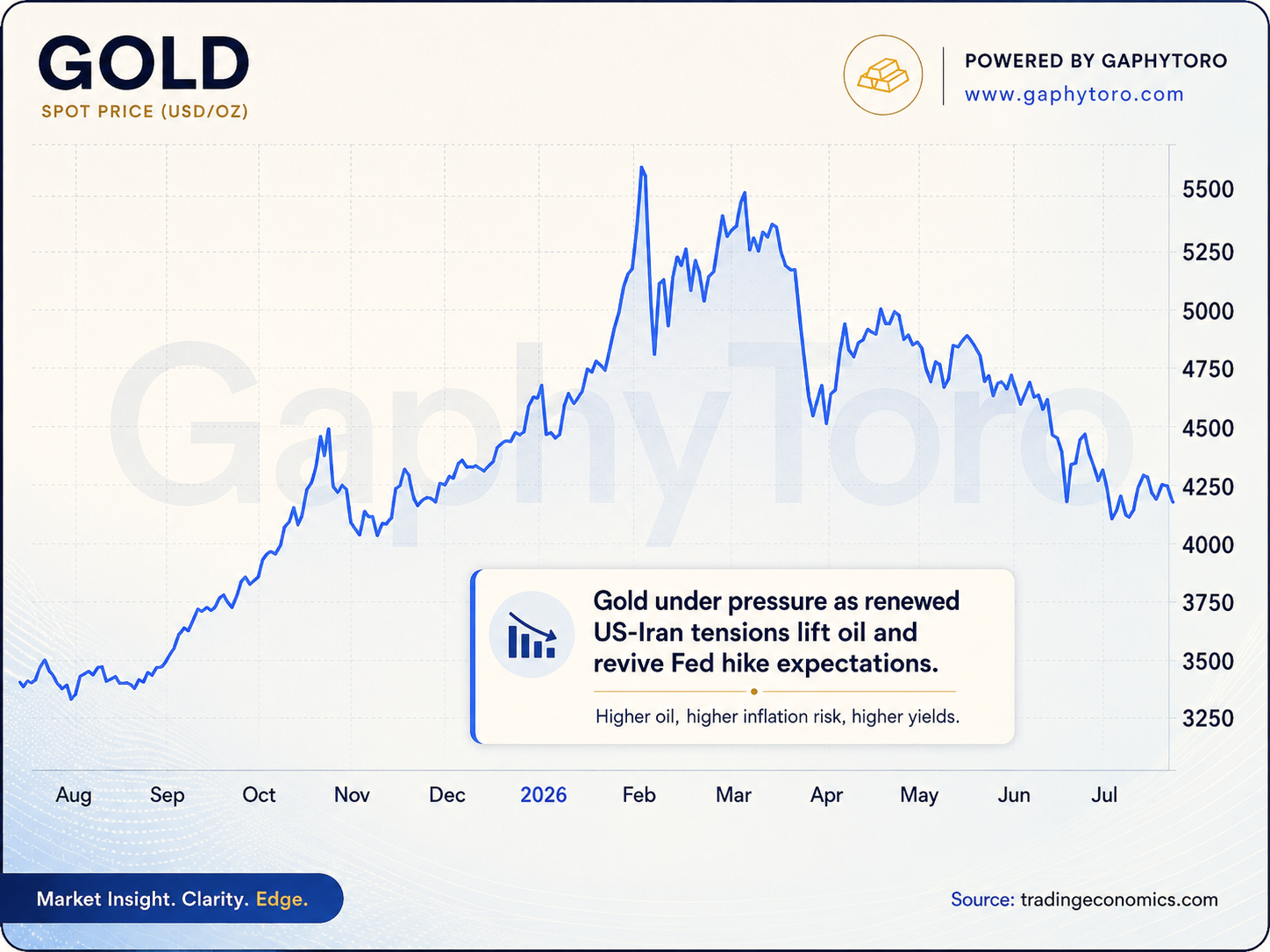
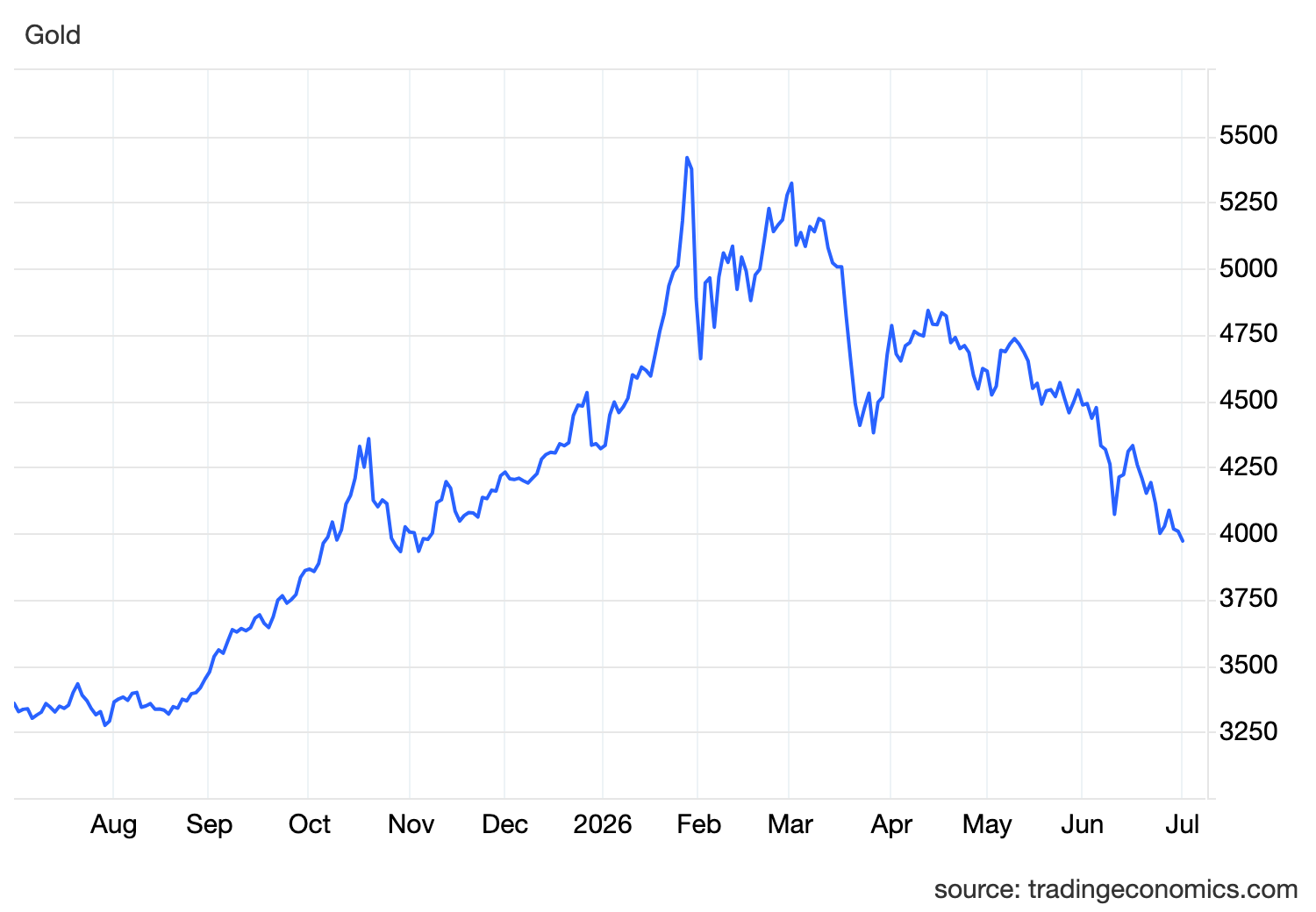
For gold, the setup is mixed.
A peace deal reduces safe-haven demand, which is normally negative for bullion. But lower oil also reduces inflation pressure and can pull yields lower, which is supportive for gold. Gold’s next move depends on which force dominates: less fear or lower yields.
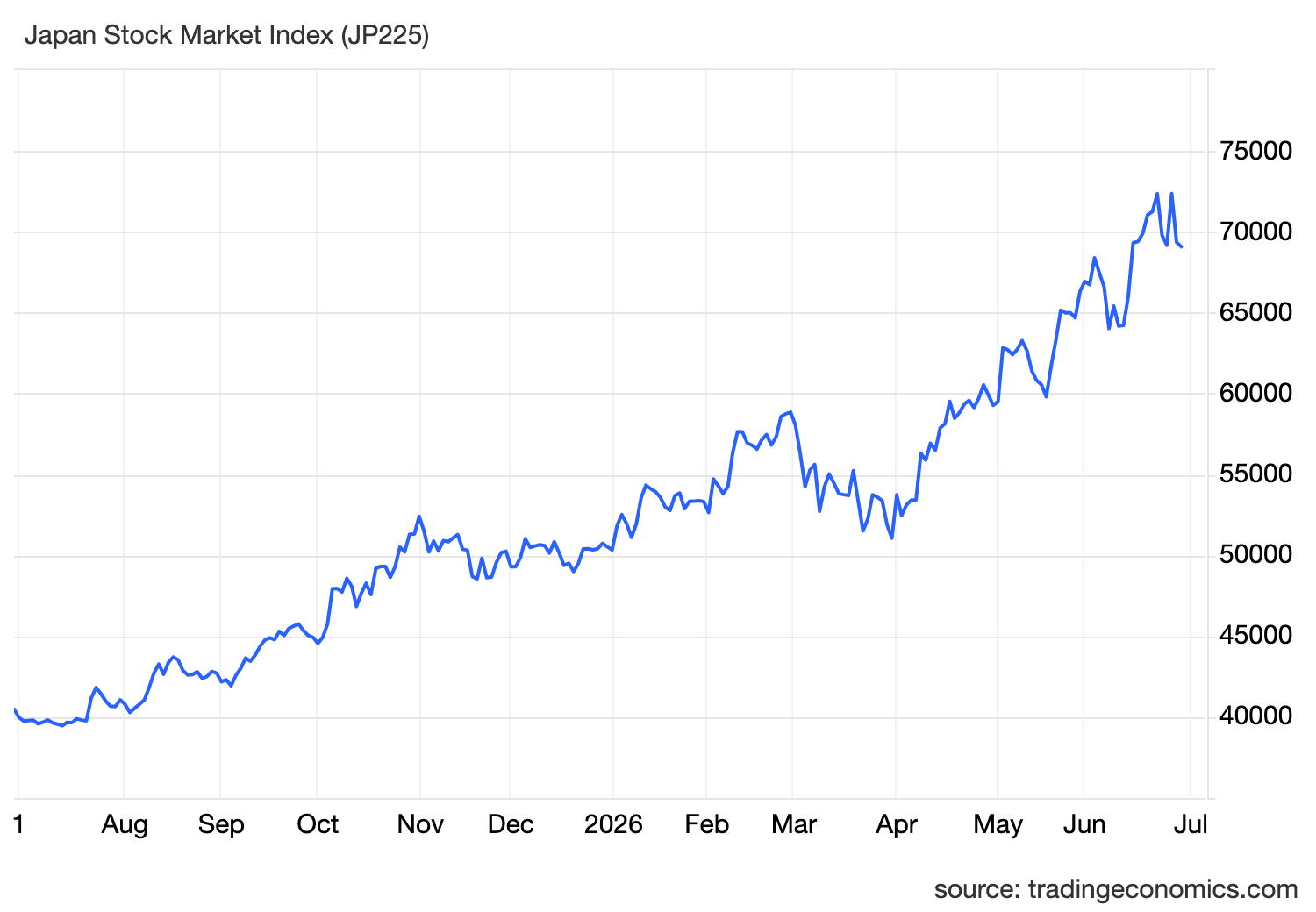
For risk assets, the deal is clearly supportive at the margin.
Lower oil reduces pressure on consumers and corporate margins. Lower yields support valuations. Lower geopolitical risk improves sentiment. That is why equities usually respond well when oil drops for the right reason, meaning supply relief rather than demand collapse.
The main risk is execution.
The agreement still needs to be signed, the blockade must be lifted and Hormuz shipping has to normalize. If either side disputes the terms or delays implementation, oil can rebound quickly and the dollar can regain support through safe-haven demand.
So the current picture is clear.
The dollar is falling because the market is removing part of the war premium.
Peace hopes are reducing safe-haven demand.
Lower oil is easing inflation pressure.
Lower inflation pressure is cooling yield support.
And central banks are moving into a week where the focus shifts from emergency inflation risk to how much policy restraint is still needed.
This is relief, not full reversal.
But it is the first real break in the dollar’s war-driven support structure.
Filed under
Written by

Founder & CEO, GaphyToro
Philip Ogina is the Founder and CEO of GaphyToro, a trader-first performance ecosystem built to help modern traders improve through structure, discipline, data, and better execution. He is a trader, investor, market analyst, educator, and software builder focused on building tools and infrastructure for the next generation of traders.