Japan’s bond market is sending a very clear message.
The Bank of Japan may not be done hiking.
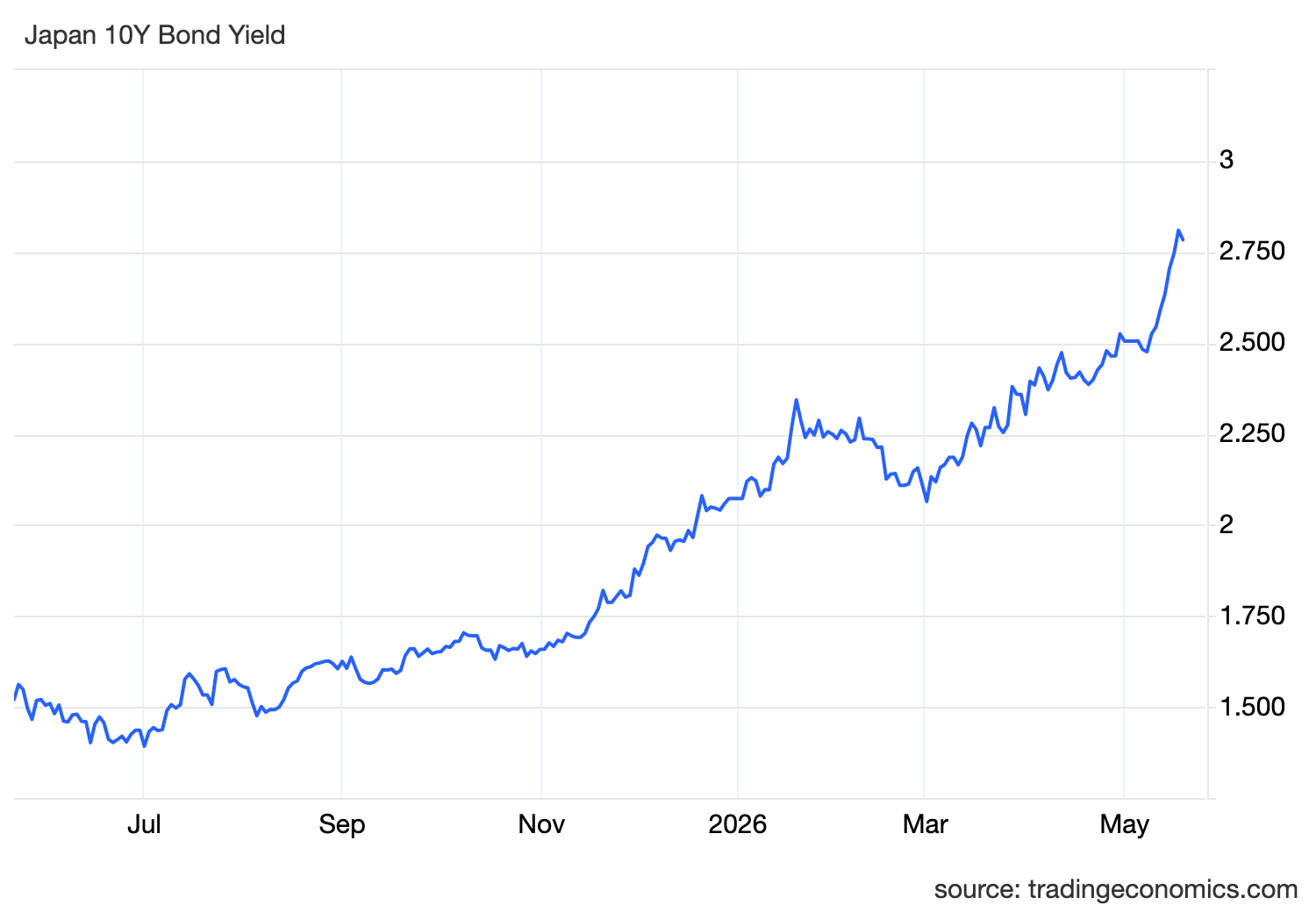
The 10-year Japanese government bond yield held around 2.79%, near its highest level since 1996. That is a major shift for a market that spent years anchored by ultra-low rates, yield curve control and aggressive central bank support. Trading Economics showed Japan’s 10-year yield around 2.78% on May 20, after a sharp move higher over the past month.
The immediate driver is stronger growth.
Japan’s economy expanded 0.5% in Q1, beating expectations of 0.4% and marking the fastest pace since Q3 2024. In annualized terms, that is roughly 2.1%, which is strong enough to make markets question whether the BoJ can keep waiting if inflation pressure is also building. MarketWatch also noted that stronger-than-expected Q1 growth helped push JGB yields to their highest levels since 1996.
That matters because growth gives the BoJ cover.
If the economy were weak, the central bank would struggle to justify another hike. But when growth is beating forecasts and inflation pressure is rising, the case for near-term tightening becomes stronger.
The second driver is oil.
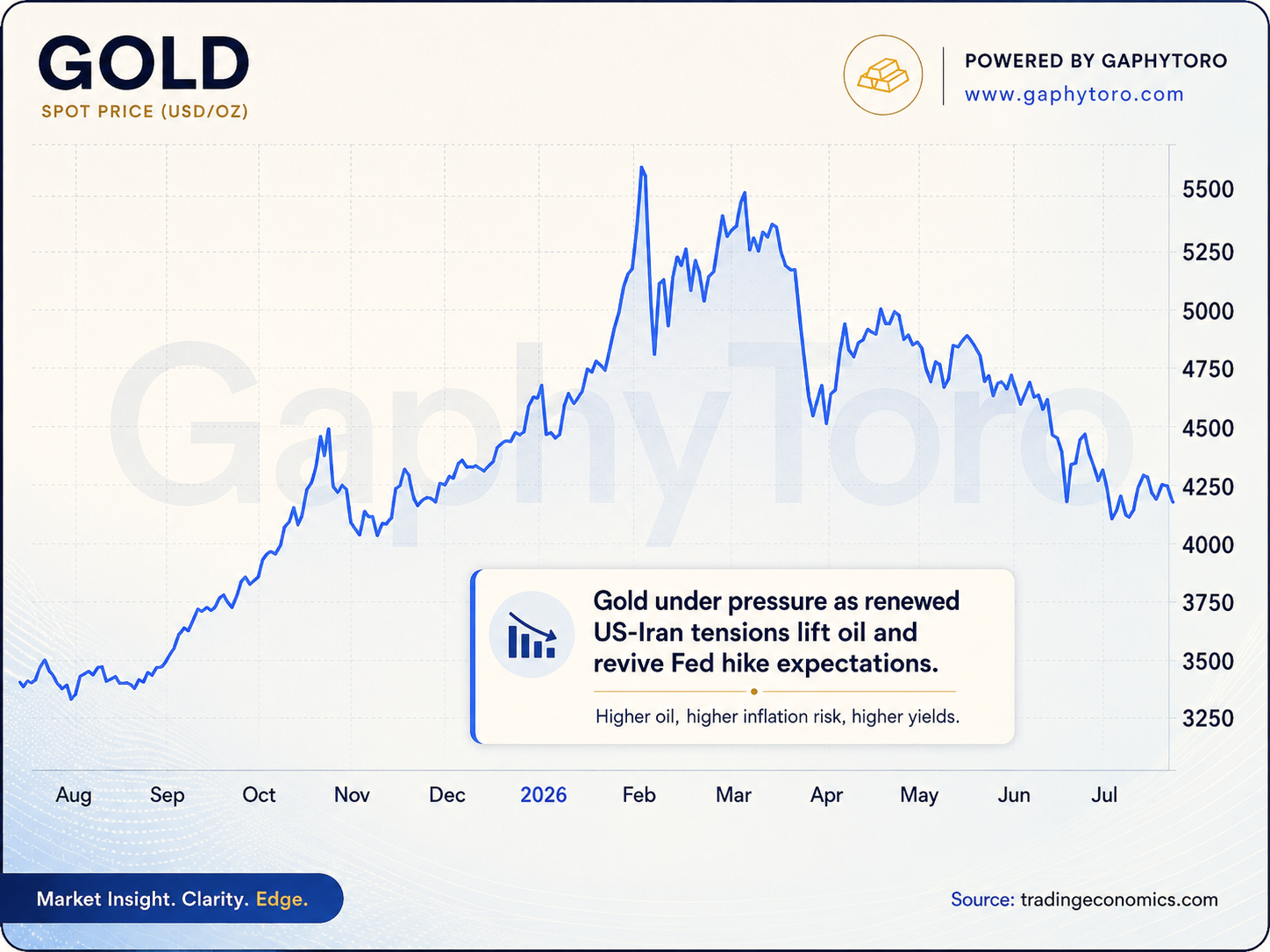
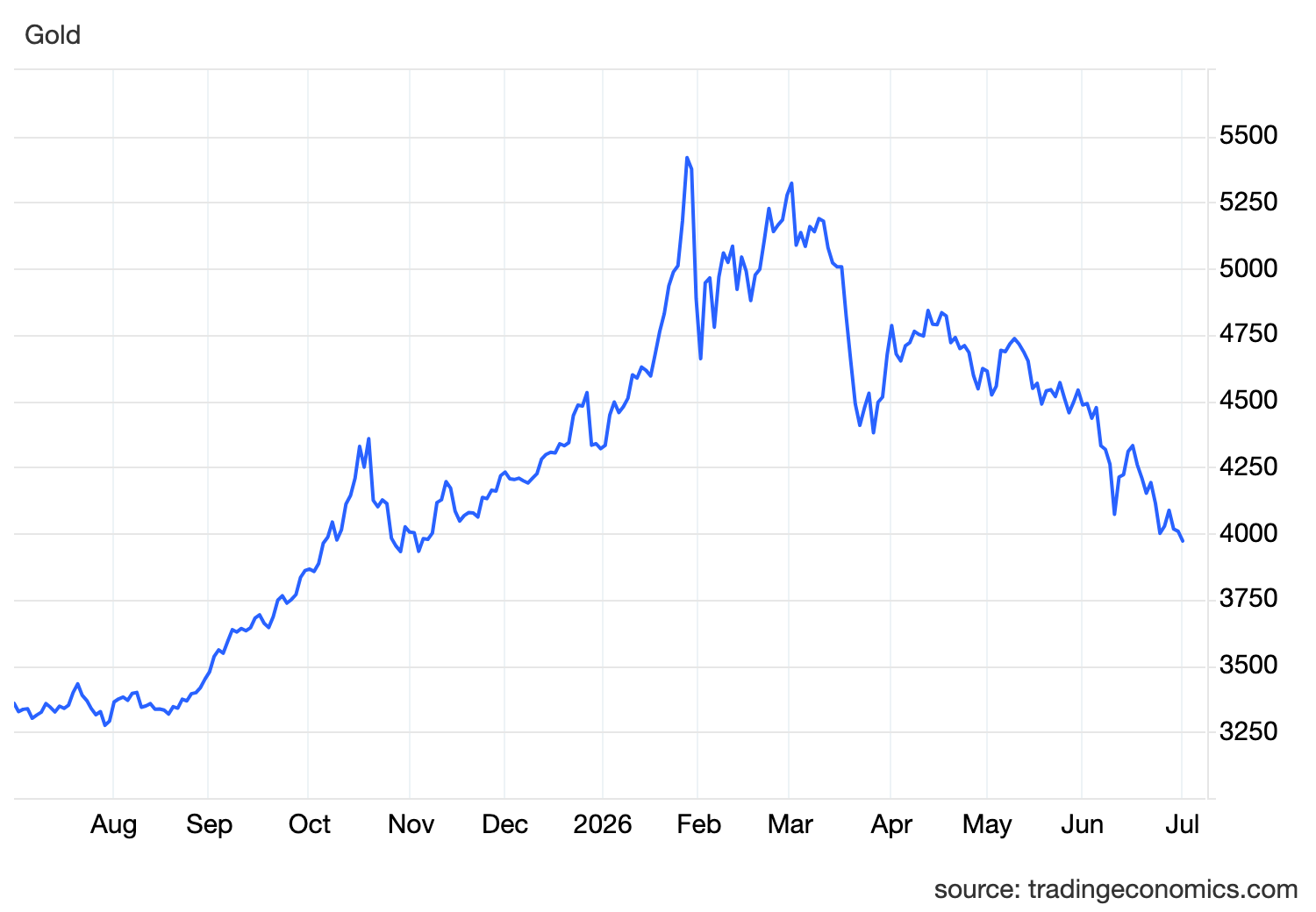
The Middle East conflict has kept the Strait of Hormuz effectively constrained, pushing energy prices higher and raising global inflation risk. For Japan, this matters directly because the country depends heavily on imported energy. Higher oil prices worsen Japan’s terms of trade, raise import costs and feed into producer prices before reaching households.
The BoJ has already acknowledged this problem.
In its April Summary of Opinions, policymakers said fiscal 2026 growth would likely decelerate partly because higher crude oil prices were worsening Japan’s terms of trade. The same document said the economy should still grow moderately, supported by government measures and accommodative financial conditions.
That is the difficult balance.
Oil is lifting inflation, but it can also weaken real income and consumption.
This is why JGB yields are rising.
Markets are not just pricing stronger growth. They are pricing a BoJ that may be forced to respond to inflation even if the inflation is not entirely healthy. Reuters reported that some BoJ policymakers argued at the April meeting for raising rates soon, with one opinion flagging the possibility of a June move as the oil shock from the Iran war sharpened pressure for near-term tightening.
That is the key policy shift.
The BoJ is moving from patience to pressure.
If inflation were purely demand-led, a hike would be cleaner. But this is largely cost-push inflation driven by energy. That makes the decision harder. Raising rates does not reopen Hormuz or lower crude supply risk. It mainly works through demand, the yen and inflation expectations.
Still, the BoJ may have to act if it believes inflation expectations are becoming unanchored or if yen weakness keeps amplifying import costs.
That is why the yen matters.
A weaker yen makes imported energy more expensive. More expensive imports raise inflation. Higher inflation pressures the BoJ to hike. A higher expected policy rate then pushes JGB yields higher. This loop is one reason Japanese yields are no longer behaving like they did in the old ultra-low-rate era.
The global backdrop is also important.
US inflation has also reaccelerated as the oil shock feeds into CPI and PPI. That has pushed US Treasury yields higher and forced markets to price out Fed cuts. When US yields rise, global yields tend to move with them, especially in a world where inflation is being driven by the same energy shock.
So Japan is not isolated.
This is part of a global bond selloff caused by sticky inflation, higher oil and less room for central banks to ease.
There is also a fiscal layer.
Prime Minister Sanae Takaichi has called for a supplementary budget to cushion households and firms from rising commodity prices. That may help reduce the immediate pain from higher prices, but it raises another concern for bond markets: more spending may mean more debt issuance. Reuters-linked reporting said fresh debt issuance is likely to form part of the funding for the planned supplementary budget, adding pressure to an already sensitive JGB market.
That is why yields can rise from both sides.
Monetary policy risk pushes yields higher because markets expect BoJ hikes.
Fiscal risk pushes yields higher because investors worry about supply and debt sustainability.
Together, they create a heavier bond market.
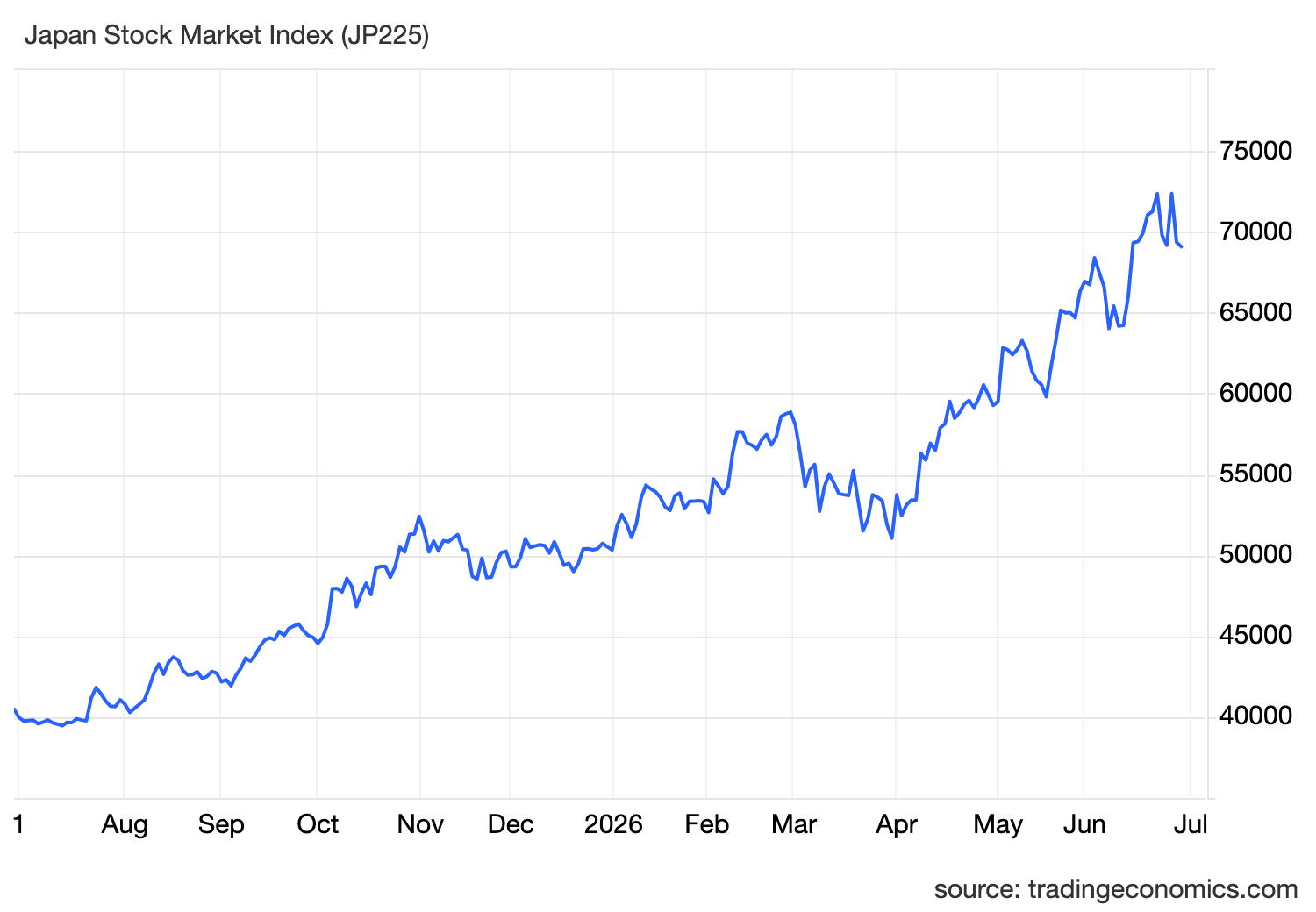
For Japanese equities, this is not a clean backdrop. AI and technology optimism can still support the Nikkei, but higher JGB yields raise discount rates and create valuation pressure. If the yen strengthens on BoJ hike expectations, exporters may also lose some of the currency benefit they enjoyed from yen weakness.
For the dollar-yen pair, the setup is complicated.
Higher Japanese yields support the yen by narrowing the US-Japan rate gap. But if US yields are also rising because the Fed is constrained by hot inflation, dollar-yen may not fall aggressively. The yen needs either a stronger BoJ signal, lower US yields, or both.
For global markets, rising JGB yields matter because Japan is a major capital allocator. When domestic Japanese yields become more attractive, Japanese investors have less need to chase foreign bonds. MarketWatch noted that higher JGB yields could affect global markets because Japanese investors may prefer domestic bonds over US Treasuries if yields become attractive enough.
That is the bigger risk.
Japan’s bond market is no longer a local story.
Higher JGB yields can influence global bond demand, Treasury markets, currency flows and risk appetite.
The current picture is clear.
Japan’s economy is stronger than expected.
Oil is raising inflation pressure.
The BoJ is sounding more hawkish.
Fiscal spending may increase debt concerns.
And the bond market is pricing all of it at once.
That is why the 10-year JGB yield is sitting near levels not seen since the 1990s.
The message from markets is simple.
Japan is leaving the ultra-low-rate world behind, and the adjustment is not gentle.
Filed under
Written by

Founder & CEO, GaphyToro
Philip Ogina is the Founder and CEO of GaphyToro, a trader-first performance ecosystem built to help modern traders improve through structure, discipline, data, and better execution. He is a trader, investor, market analyst, educator, and software builder focused on building tools and infrastructure for the next generation of traders.