The dollar is holding firm because two major forces are working in the same direction.
Geopolitical uncertainty is supporting safe-haven demand.
US labour resilience is supporting higher-for-longer Fed pricing.
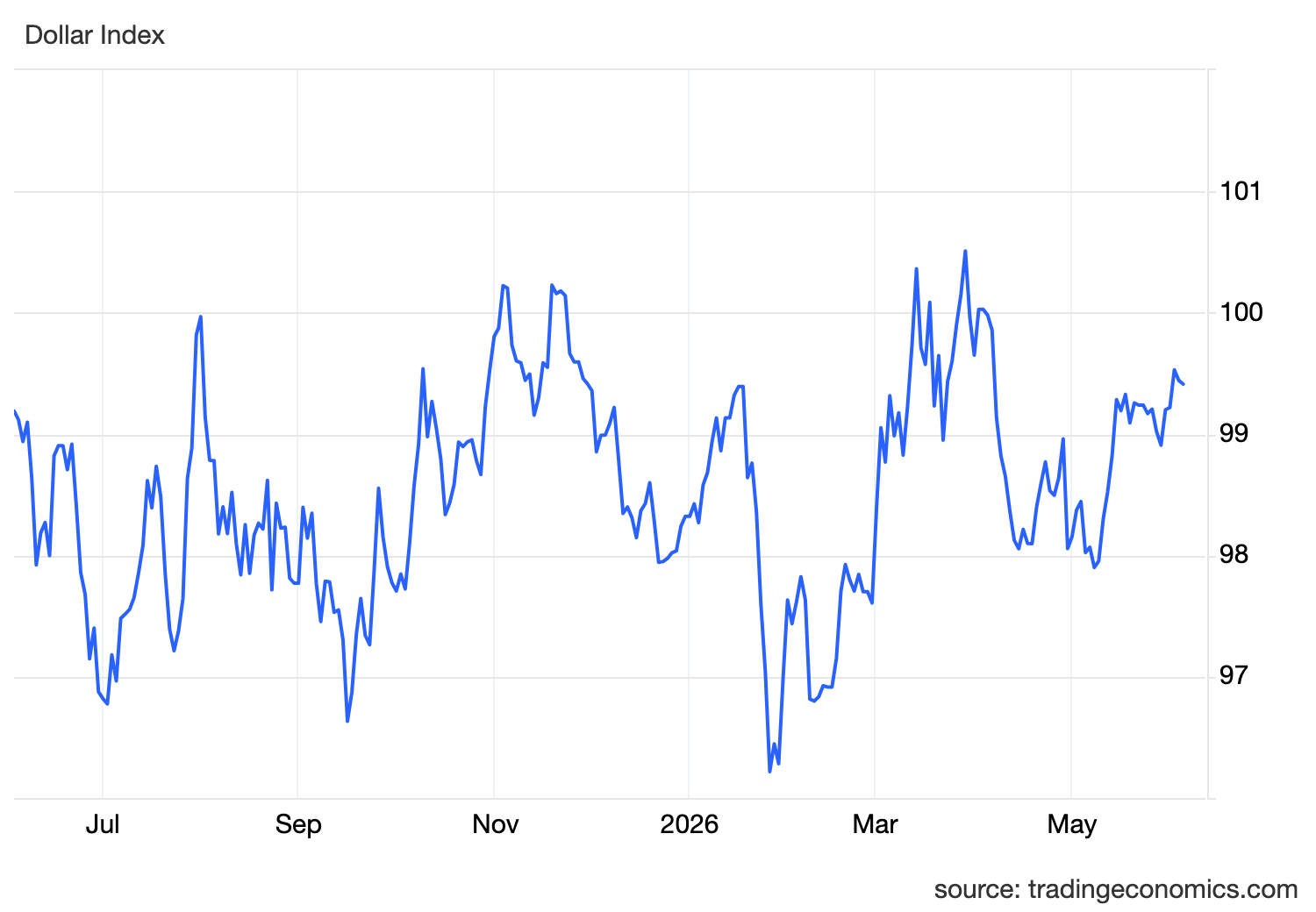
That combination has kept the dollar index around 99.4 and on track for a weekly advance. The move is not just about fear. It is about the market connecting the Middle East conflict to oil, inflation, yields and Federal Reserve policy.
The geopolitical side remains unresolved.
President Trump has said peace negotiations are approaching their final stage and appears reluctant to return to a full-scale conflict with Iran. That has prevented markets from pricing a clean escalation scenario. But Iran’s foreign minister has pushed back, saying there has been no meaningful progress, while Hezbollah’s rejection of a US-mediated ceasefire proposal between Israel and Lebanon has complicated the wider regional picture. Reuters reported that Hezbollah rejected the US-brokered ceasefire plan, while Israel continued operations in Lebanon, keeping the regional risk premium alive.
That matters for the dollar because unresolved geopolitical risk keeps defensive demand in place.
But the more important macro channel is oil.
The Middle East conflict has repeatedly threatened energy flows and kept oil prices sensitive to headlines around the Strait of Hormuz. When oil stays elevated, inflation pressure does not fade cleanly. That is the link markets keep trading.
Oil risk feeds inflation.
Inflation supports yields.
Higher yields support the dollar.
This is why the dollar has been able to hold firm even when peace headlines create short-term pressure.
The inflation data has already confirmed the problem.
US CPI rose to 3.8% in April, the highest since May 2023, above expectations of 3.7%. Trading Economics noted that the increase was tied to the oil shock from the Iran war, with energy costs rising sharply and gasoline and fuel oil prices accelerating.
That was not the only warning sign.
PCE inflation, the Fed’s preferred measure, also rose 3.8% year on year in April, the strongest pace since May 2023. That matters because PCE is the inflation gauge policymakers watch most closely when judging whether policy is restrictive enough.
So the Fed is not looking at one bad print.
It is looking at a broader inflation impulse driven by energy.
That is where the labour market becomes decisive.
If inflation is hot but labour is weakening sharply, the Fed has a difficult trade-off. It may tolerate some inflation risk to protect employment. But if inflation is hot and labour remains resilient, the Fed has much more room to stay restrictive.
Recent labour data leans toward resilience.
The latest JOLTS report showed job openings rising to 7.6 million in April, up by 731,000, while the openings rate increased to 4.6%. That tells markets that labour demand is still stronger than the Fed would normally want if it were preparing to cut.
The details are not perfectly clean.
Hiring has been slower and quits remain subdued, which suggests the labour market is not overheated in a broad way. But the key point is that it is not breaking. That is enough to keep the Fed cautious.
Now Friday’s May employment report becomes the main event.
The previous nonfarm payrolls report showed payrolls rising by 115,000 in April, a softer but still positive number. Trading Economics shows April payrolls increased by 115,000, while expectations for the next release remain focused on whether the labour market is cooling gradually or cracking more seriously.
That is why this NFP matters so much.
A strong payrolls print would reinforce the higher-for-longer view. It would tell the Fed that the economy can still absorb restrictive policy while inflation remains the bigger threat.
A weak payrolls print would complicate the setup. It could reduce hike expectations and pressure the dollar, especially if wage growth softens and unemployment rises.
But unless the data clearly weakens, the Fed has little reason to pivot.
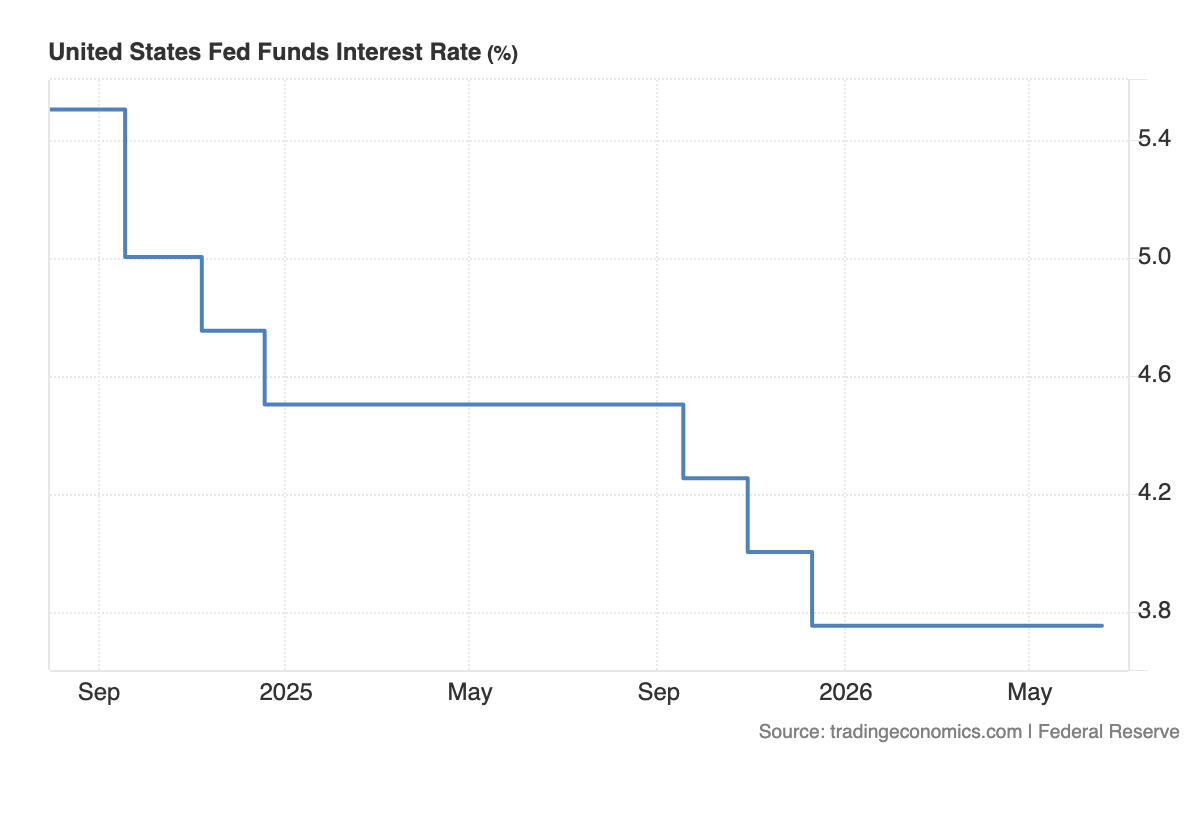
Markets have already moved away from rate-cut expectations. With CPI, PCE and producer-side inflation pressure all pointing to renewed price stress, traders are increasingly focused on whether the Fed may need to hike before year-end rather than cut.
That is the key driver behind the dollar’s weekly strength.
The dollar is not just being supported by safe-haven demand.
It is being supported by policy repricing.
Higher expected Fed rates keep US yields supported. Supported yields attract capital into dollar assets. Regional uncertainty adds a defensive layer on top.
That makes the dollar hard to sell aggressively.
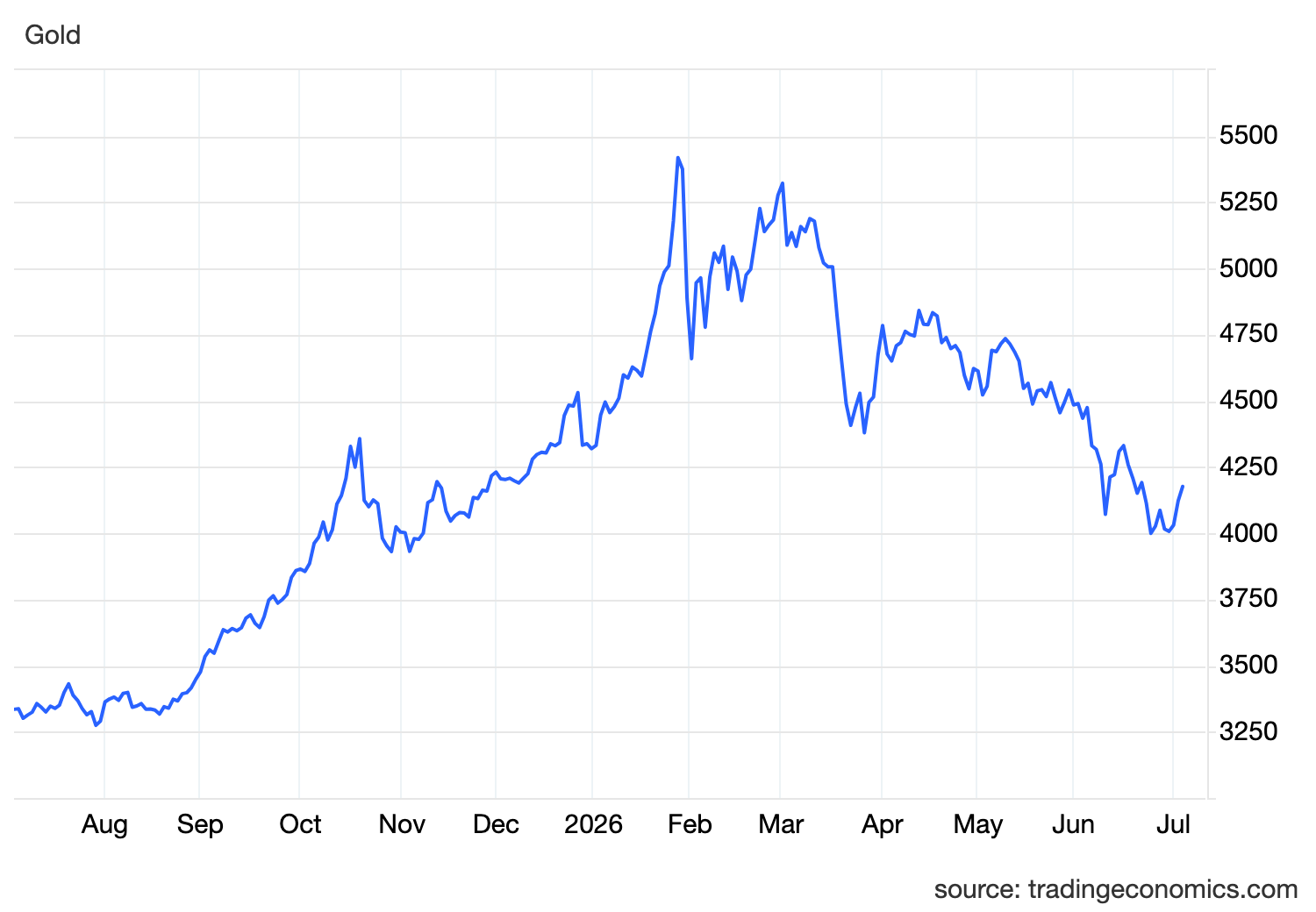
For gold, this setup remains difficult.
Gold can benefit from geopolitical fear, but this conflict has repeatedly hurt bullion through the rates channel. If the war keeps oil elevated, inflation stays sticky. If inflation stays sticky, yields remain high. And if yields remain high, gold struggles because it pays no interest.
For risk assets, the message is also mixed.
Peace hopes can support sentiment, but higher oil and higher yields tighten financial conditions. Equities can rally if earnings momentum is strong, especially in AI and technology, but the macro backdrop becomes heavier when the Fed cannot ease.
For oil, the next move depends on whether negotiations produce a real deal or another delay.
If talks progress and Hormuz risk fades, oil can cool, inflation pressure can ease and the dollar may lose some support.
If talks fail, oil can rebound, inflation fears return and the dollar gets support from both yields and safety.
So the current picture is clear.
The dollar is holding firm because the market is not convinced peace is real yet, and the Fed still has no clean reason to turn dovish.
Middle East risk keeps safe-haven demand alive.
Oil risk keeps inflation pressure alive.
Labour resilience keeps the Fed patient.
And that keeps the dollar supported into NFP.
Filed under
Written by

Founder & CEO, GaphyToro
Philip Ogina is the Founder and CEO of GaphyToro, a trader-first performance ecosystem built to help modern traders improve through structure, discipline, data, and better execution. He is a trader, investor, market analyst, educator, and software builder focused on building tools and infrastructure for the next generation of traders.